In brief
On Saturday, a rear‑end collision between two high‑speed passenger trains snapped along the Madrid‑Barcelona line, pulling a small derailment but sparing lives. Iberia Rail attributes the crash to a technical fault and has closed the line while launching an investigation. Emergency crews treated the injured and the operator promises to keep passengers updated as service is restored.
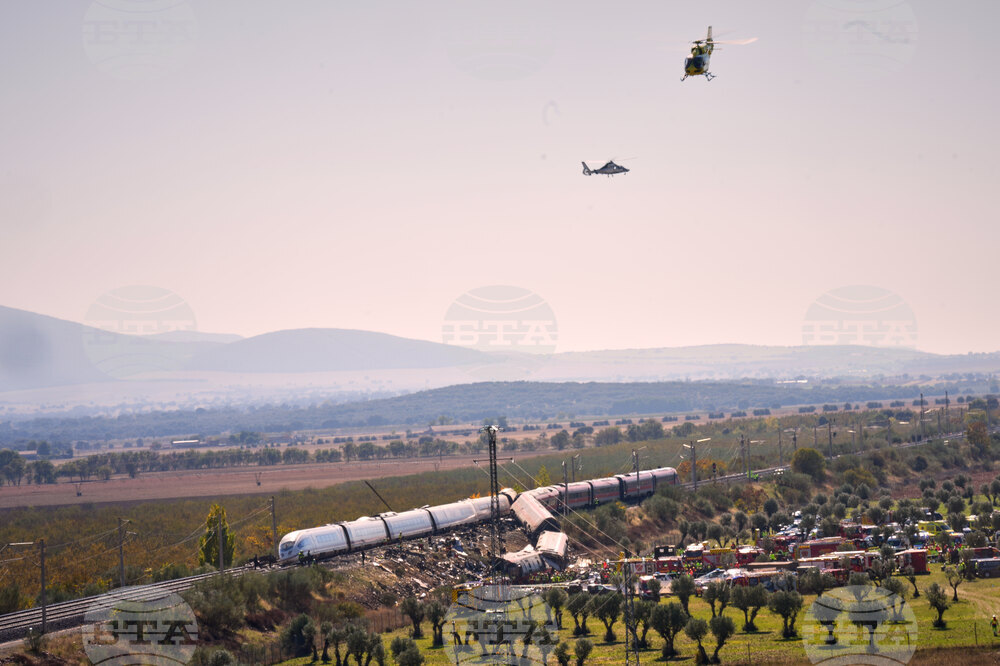
On Saturday, a rear‑end collision occurred on Spain’s Madrid‑Barcelona high‑speed line, sending two passenger trains skidding into one another and causing a minor derailment of the rear cars. Several passengers were injured, but there were no fatalities, Iberia Rail confirmed.
The accident rattled the high‑speed rail freight network, rattling passengers who had expected a smooth 400‑kilometre ride between the two major cities. Eyewitnesses and the operator say the impact triggered a brief loss of traction, but the trains did not derail explosively. Emergency responders were on the scene within minutes to assist the wounded and to start evacuating the damaged train cars.
Iberia Rail called the incident a "technical fault" and said that the fault was traced to a malfunction in the train’s braking system. The operator has suspended service on the affected stretch of track while engineers inspect the signalling and track infrastructure.
The Spanish civil guard and local emergency services treated eight injured passengers on site and transported them to nearby hospitals for further care. Meanwhile, text alerts were sent to passengers on the same schedule, informing them of the delay and advising alternate travel arrangements.
The high‑speed line was closed for the remainder of the day while authorities conducted an on‑site investigation. No trains are scheduled to run on the segment until a safety review confirms that the track and signalling systems are fully operational.
In a statement released early, Iberia Rail pledged to keep passengers and the public informed as the investigation proceeds. The company said it will work with railway inspectors to identify the root cause of the fault and to avoid a recurrence.
Rail experts note that high‑speed lines carry a very low accident rate, and incidents such as this are rare. The line serves as a critical artery for both freight and commuters, linking Madrid’s capital region with the industrial hub of Barcelona.
Officials anticipate that routine service will resume as soon as the investigation confirms that no latent defects remain along the track. Meanwhile, Iberia Rail remains committed to transparency about the incident and the steps it is taking to enhance safety on the network.