In brief
Summary: A recent visit by UN relief chief Tom Fletcher to el-Geneina reveals the haunting consequences of Sudan's ongoing conflict, as survivors share stories of violence, loss, and desperate hunger. International aid efforts are hampered by the war, raising concerns over the world's indifference to this crisis.
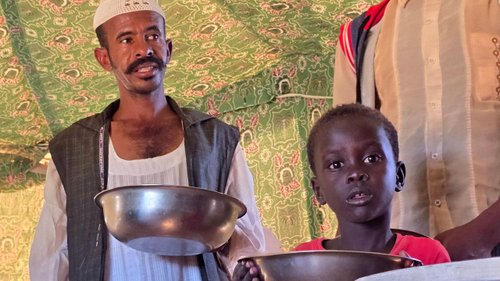
In the silent outskirts of el-Geneina, a town once bustling with life, the remnants of a horrific past linger in empty buildings and charred debris. The recent visit by Tom Fletcher, the UN's new relief chief, marks a rare glimpse into the heart of Darfur’s turmoil. His observations of the destruction left by a year of rampant violence and ethnic cleansing reflect a community torn asunder by a devastating conflict that has claimed thousands of lives.“Darfur has seen the worst of the worst,” Fletcher articulated as he surveyed the devastation. Engulfed in a humanitarian crisis, civilians face acute protection needs, sexual violence, and the looming specter of starvation. Despite the dire circumstances, the UN’s efforts to alleviate the situation are restricted due to ongoing tensions between the Sudanese Armed Forces and the paramilitary Rapid Support Forces, both accused of war crimes.While international journalists have limited access to el-Geneina, the impact of recent massacres is evident in the heartbreaking stories of displacement and loss shared by those who fled. Many survivors, like a courageous 14-year-old girl, recount the terror that forced them to abandon their homes and families. “We had to hide by day and resume our journey in the middle of the night. If you move during the day, they will kill you,” she recalled, embodying the dread felt by many.At makeshift camps near the Chadian border, numerous families continue to suffer from acute hunger. A community elder voiced the collective need for aid, emphasizing their neutrality amid the conflict and their desperate need for support—food, schooling, and clean water. Despite Mr. Fletcher's promises of increased humanitarian flights and support, many fear that international attention is fleeting, overshadowed by crises in other regions.The struggle of NGOs operating in the region underscores a lack of adequate response to this significant humanitarian disaster. As representatives from various organizations compete with limited resources, they echo a common sentiment: “More needs to be done.” These voices of despair from Darfur call for a renewed global commitment to addressing the suffering and chaos within its borders. As Mr. Fletcher aims to bridge access for humanitarian efforts, the affected communities remain hopeful for an end to their ordeal amid the world’s indifference to their plight.