In brief
Tensions in Bangladesh escalated last week as protests reignited after the ousting of Sheikh Hasina, highlighting a fractured political landscape amid escalating violence.
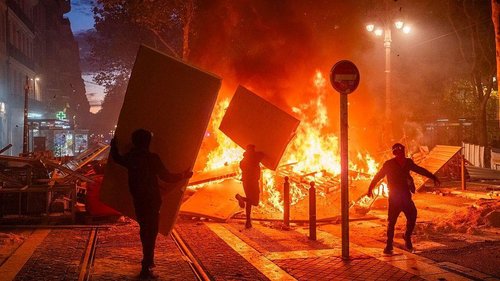
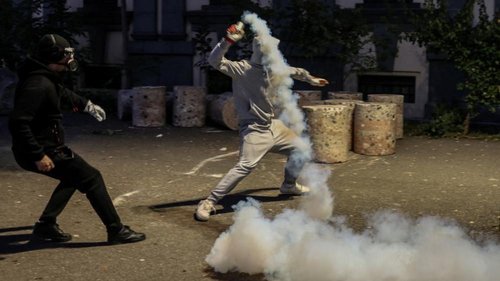
Bangladesh finds itself embroiled in a new wave of violence sparked by student-led protests opposing former Prime Minister Sheikh Hasina, who has been in exile since her ouster in August 2024. The tensions escalated dramatically following a planned audio address by Hasina, which students feared would incite further unrest. Protesters, notably those from the student movement that played a critical role in bringing down Hasina’s government, responded by vandalizing and setting fire to a museum once used as the residence of Sheikh Mujibur Rahman, Hasina's father and the nation’s founder. The violence unfolded over several days, leading to clashes that drew in supporters of the Awami League, Hasina's political party.The unrest reached a turning point on February 8, when Nobel Peace Prize laureate and interim Prime Minister Muhammad Yunus launched "Operation Devil Hunt," deploying police and paramilitary forces to quell the violence. This operation came in direct response to reports of escalating hostility and injuries among civilians.During her address, Hasina reflected on her father's legacy and the progress Bangladesh experienced under her leadership, inciting immediate backlash from protesters who then engaged in violent exchanges with Awami League supporters in Dhaka.Yunus has publicly urged citizens to adhere to the law and build a new Bangladesh free from the "fascist rule" of the past. Despite government efforts to suppress the Awami League, which has been criticized for links to militant groups, the party has vowed to hold protests, declaring them victims of political oppression.As of now, the crackdown has seen over 1,300 arrests, predominantly involving Awami League members, but calm has temporarily returned to the streets. The political climate remains unpredictable, with the specter of renewed conflict looming as both factions prepare for potential confrontations moving forward.