In brief
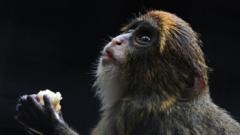
The Hong Kong Zoological and Botanical Gardens is reeling from the loss of a twelfth De Brazza's monkey due to a suspected bacterial infection, echoing the deaths of 11 others in just under two weeks. The first wave of deaths began on October 13, triggering an investigation into the potential sources of contamination.
The monkeys, including critically endangered species, succumbed to melioidosis, an infection linked to contaminated soil, prompting health officials to act swiftly to control the situation.The recent death of a twelfth De Brazza's monkey has raised alarms in Hong Kong as it continues to grapple with a significant bacterial outbreak that has taken the lives of 11 other monkeys in the span of 10 days. The affected primate had been in isolation since October 13, when the initial reports of monkey fatalities surfaced. Autopsy results revealed a concerning presence of bacteria likely sourced from contaminated soil adjacent to the monkey enclosures. Reports suggest that workers digging in the vicinity may have inadvertently transported the harmful soil into the cages through their footwear, as mentioned by Hong Kong's Culture, Sports and Tourism Secretary via local broadcaster RTHK. Despite the alarming situation, veterinary epidemiologist Dirk Pfeiffer stated that the risk of transmission to humans remains "fairly low." He noted that soil contamination issues are often overlooked in the region but highlighted the troubling nature of multiple unexpected deaths within a closed animal population. The deceased monkeys, including some critically endangered species like cotton-top tamarins, were confirmed to have died from melioidosis, a disease that can be contracted through contact with tainted soil, water, or air.The twelfth deceased monkey exhibited symptoms similar to previous cases, showing "similar lesions... in the tissues of its organs." Authorities have reassured the public that the remaining 78 mammals in the zoo are in stable condition, although the mammal section has been under disinfection processes since October 14. Peta, an animal rights organization, has voiced concerns regarding the potential for zoonotic diseases such as monkeypox emerging from the situation highlighted by the deaths at the zoo. Campaign manager Abigail Forsyth emphasized that the welfare of both animals and humans depends on ending practices that confine animals for entertainment, advocating instead for the preservation of their natural habitats. The first documented case of melioidosis in Hong Kong traces back 50 years, when a similar outbreak led to the death of 24 dolphins.