In brief
President Trump's recent tariffs on foreign steel and aluminum aim to bolster domestic production but risk igniting new trade disputes with allies like Canada and Mexico while potentially escalating costs for U.S. manufacturers.
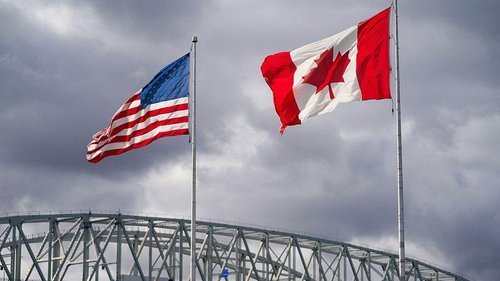
President Trump's tariffs on foreign steel and aluminum came into effect on Wednesday, marking a notable escalation in the ongoing trade tensions between the U.S. and other nations, particularly those with strong ties to America. The 25% tariff applies universally to all steel and aluminum imports, a move designed to protect U.S. manufacturers, particularly those in the automotive and solar industries.The decision has received backing from domestic steel and aluminum producers, yet it poses challenges for American companies reliant on these materials—potentially inflating their production costs and impacting the broader economic environment. Trump's tariffs can be seen as part of a larger strategy to confront international competition, as demonstrated by his recent imposition of additional tariffs on imports from Canada, Mexico, and China, which he associated with issues related to drugs and immigration.The new tariffs have catalyzed a volatile market response, forcing U.S. trading partners into a defensive position as they strive to understand Trump's policy direction. Just days ago, Trump threatened to double tariffs on Canadian metal imports after Ontario retaliated against his previous moves by raising electricity costs. This threat was quickly retracted after Ontario suspended its surcharge.With significant ramifications for U.S. trade policy, the new tariffs could reignite disputes, provoking retaliatory measures from Canada, Europe, and other affected nations. As Canada is the largest provider of steel and aluminum to the U.S., the implications are particularly precarious for these economic relationships. Trump has used similar tariffs in the past, arguing they are essential for national security and ensuring reliable metal supplies for military applications.As the landscape evolves, the coming months may reveal whether these tariffs bolster U.S. manufacturing or lead to further economic strife and international backlash.