In brief
Yoon Suk Yeol, South Korea's former president, is now in solitary confinement after being arrested on insurrection charges, marking a historic fall from power and leading to significant legal repercussions.
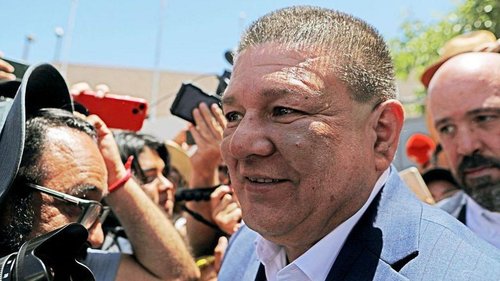
South Korean President Yoon Suk Yeol, who previously enjoyed the privileges of a luxurious lifestyle, now resides in a cramped 107-square-foot jail cell following a formal arrest on charges of insurrection. A month prior, he faced serious backlash over his controversial declaration of martial law, which has now spiraled into an investigation resulting in his incarceration. As the first sitting president in South Korea to be arrested for criminal charges, Yoon's downfall came swiftly and dramatically. Yoon, 64, known for his previous life of opulence—complete with personal guards and lavish gatherings—was detained at the Seoul Detention Center after a district court authorized his arrest. This judicial decision transformed his status from a temporary detainee to a serious criminal suspect, guiding him toward potential indictment and trial over allegations of leading an armed insurrection.Reports indicate that within the next 18 days, Yoon's fate will be sealed as investigators work to substantiate the charges against him. Should the proceedings result in a conviction, he faces severe penalties including life imprisonment or even the death penalty. The gravity of the charges against him is underscored by his unique position in history, as he is the first South Korean leader targeted with insurrection allegations since the military dictator Chun Doo-hwan was sentenced in the 1990s.Yoon's remarkable fall from authority symbolizes the unpredictable nature of political power in South Korea and raises questions about the implications for the nation's future governance. The stark contrast of Yoon's recent lifestyle to his current reality illustrates the broader themes of accountability and justice in a dynamic political landscape.