In brief
A recent avian influenza outbreak has led to the demise of 20 big cats in a Washington animal sanctuary, marking a significant concern for wildlife health and safety.
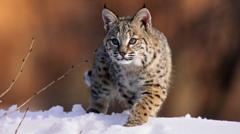
The Wild Felid Advocacy Center in Washington is mourning the loss of 20 big cats, including a Bengal tiger and several cougars, due to a recent outbreak of bird flu. Over the past few weeks, the virus, primarily spread by wild birds, has resulted in the sanctuary being placed under quarantine and closed to the public. In a heartfelt social media post, the center expressed their grief, stating, "This tragedy has deeply affected our team, and we are all grieving the loss of these incredible animals." The animals succumbed to the virus between late November and mid-December. Sanctuary director Mark Mathews revealed this is an unprecedented situation, saying, "We've never had anything like it; they usually die basically of old age." The virus, which leads to severe pneumonia-like symptoms, has also affected other species at the facility, including five African serval cats and four bobcats, leaving just 17 cats remaining. Bird flu, known for decimating poultry flocks in the US, has recently extended its reach to mammals, including reported infections of cattle and at least one human case. Despite this alarming trend, the Centers for Disease Control and Prevention (CDC) maintains that the general public faces a low risk, asserting that there has been no sustained human-to-human transmission, although there was one severe case reported in Louisiana this month. California Governor Gavin Newsom has responded to the ongoing bird flu issues by declaring an emergency for the dairy industry in the state, emphasizing the need for prompt government action and resources to manage this threat. As the situation evolves, the attention turns towards protecting both wildlife and human populations from this dangerous virus.