In brief
A meeting of the joint historical commission between Bulgaria and North Macedonia held in Skopje on 5‑6 November ended with no progress, leaving key issues such as the portrayal of the Archbishopric of Ohrid and the proposal to honor Dame Gruev unresolved. European Parliament and European Commission officials urged clearer outcomes, while a further meeting in Sofia is scheduled for early December.
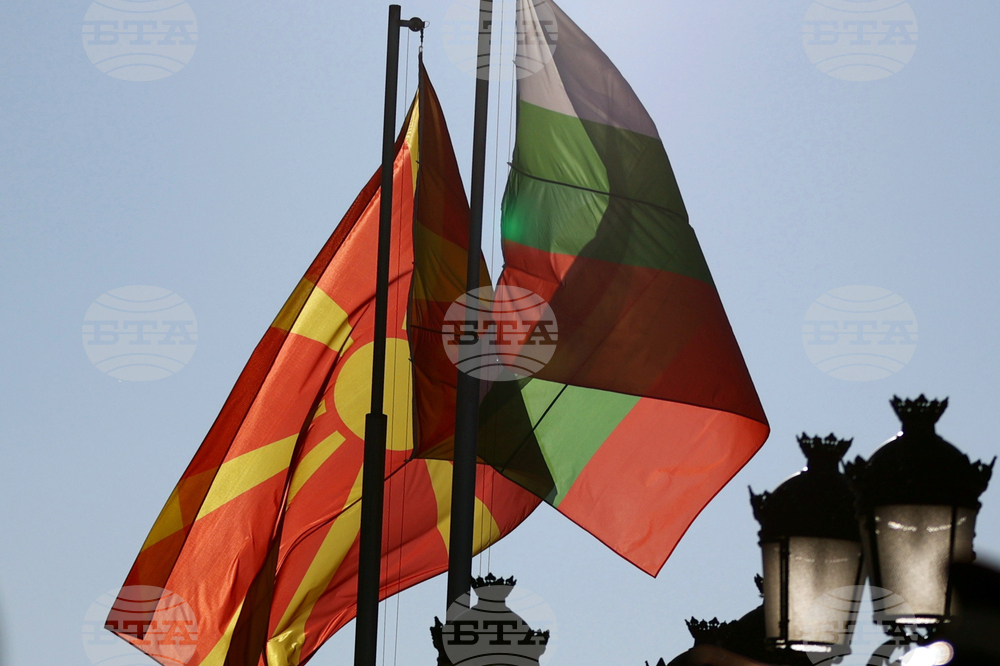
The joint historical commission consisting of Bulgarian and North Macedonian experts met in Skopje on 5 and 6 November and, after two days of discussion, closed with no new agreements, Bulgarian officials reported on Saturday night.
During the first session, Bulgarian representatives stressed that the way the 11th‑century Archbishopric of Ohrid is portrayed in Macedonian history textbooks remains a sticking point. The North Macedonian side said it had no intention to modify the existing curriculum, leaving that matter unresolved.
On the second day, Bulgarian delegates presented a proposal to add a monument honouring Dame Gruev, a figure revered in both countries’ shared history, to the joint museum in Skopje. North Macedonian members said the proposal was met with silence, indicating that they did not see a place for such a monument within the commission’s current mandate.
Following the academic talks, the commission read a statement advocating a joint commemoration of the anti‑fascist resistance that began in 1941. The North Macedonian side rejected the idea, arguing that Europe already commemorates this period broadly and that the commission’s focus should stay on earlier historical epochs.
European Parliament and European Commission officials had earlier called for tangible results from the joint commission, linking the work to the implementation of the Second Protocol to the Treaty of Goodneighbourliness with Bulgaria. In a recent report, an EP representative urged that history textbooks reflect “objective, authentic and evidence‑based” sources. The EC report noted that the commission had held four meetings between September 2025 and March 2026 with no concrete outcomes.
The Bulgarian delegation said it is prepared to meet again in Sofia in early December, hoping that the next session can tighten the focus on shared heritage and produce a draft agreement that could be ratified by both parliaments.
For local communities, the absence of a clear outcome means that the historical dispute persists, with schools in both countries continuing to follow the existing curricula. Residents of Skopje and Sofia remain attentive to the commission’s future meetings.
The meeting took place at the Council of Ministers building in Skopje, where officials exchanged viewpoints on textbooks, monuments, and the memory of collective resistance. Although the Bulgarian side expressed disappointment, it stated that the dialogue would continue, with the hope that the upcoming Sofia meeting will revive progress.
Regional media will keep track of the commission’s work, and the discussion remains a flashpoint in Balkan historical debates, as both sides await the next draft and the possibility of a lasting agreement.