
In brief
The Bulgarian Food Safety Agency identified a primary outbreak of sheep or goat pox on a farm with 120 sheep in the village of Koriten on November 7, 2026. Authorities established a 5‑km protection zone and a 20‑km surveillance zone, banning movement of the affected animals. The disease poses no danger to humans but could significantly damage the local livestock economy.
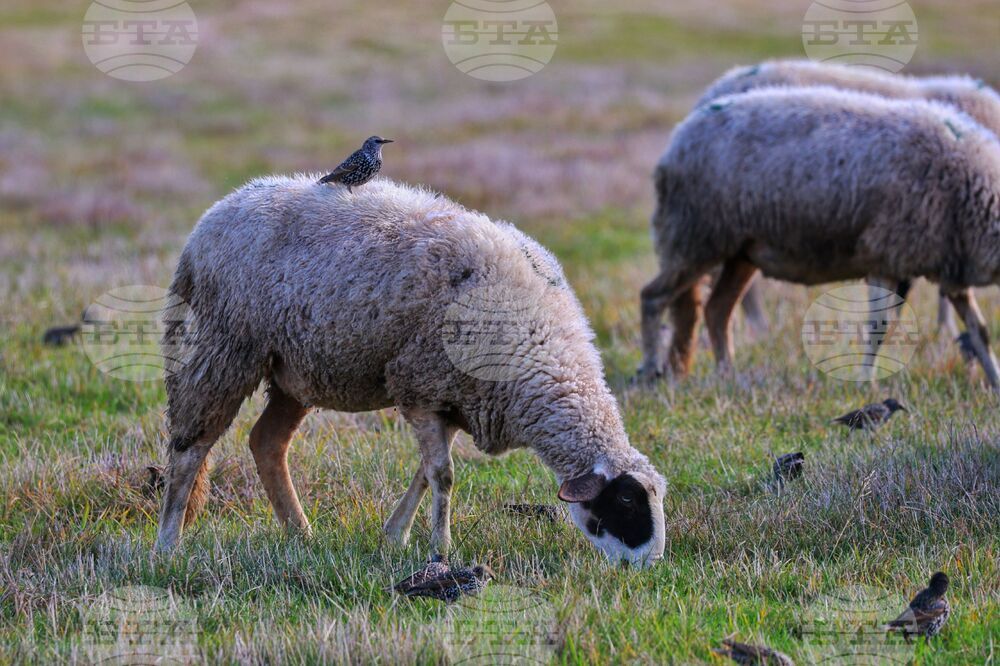
In the village of Koriten in the northeastern region of Bulgaria, an outbreak of sheep or goat pox was confirmed on Saturday, November 7, 2026, following a report by the farm owner of a livestock facility housing 120 sheep.
BTA reported that the Bulgarian Food Safety Agency had identified the disease after clinical signs appeared on the animals and dispatched authorities to assess the situation and contain the spread.
The virus presents with lesions on the skin and mucous membranes, fever, and swollen lymph nodes; the farm owner noted that several sheep displayed these symptoms before seeking help.
According to BTA, a 5‑km protection zone has been imposed around the outbreak site. The zone covers the villages of Abrit, Aleksandria, Kapitan Dimitrovo, Koriten, Poruchik Kardzhievo, and Severnyak.
A 20‑km surveillance zone surrounds the containment perimeter, within which veterinary teams conduct routine checks and monitor the health of neighboring flocks.
The anti‑movement order applies to sheep and goats inside the protection and surveillance zones. The only permitted movement is for animals destined for immediate slaughter, provided they meet specified safety conditions.
BTA emphasized that the virus poses no threat to humans but warned that the spread could inflict significant economic damage on livestock producers in the area.
Local shepherds and small‑scale farmers have expressed concerns that the restrictions may affect their income. Many of the affected farmers rely on sheep sales for household earnings and for supplying meat to nearby communities.
Authorities have coordinated with the farm owner and regional veterinary officers to ensure containment procedures follow European Union and national legislation. The Ministry of Agriculture is involved in oversight and resource allocation.
Under the measures, compulsory vaccination of healthy animals is being considered, alongside culling of infected individuals and decontamination of facilities to halt further transmission.
The agency is awaiting laboratory confirmation of the virus species to tailor response actions better. The confirmation will determine whether the strain is sheep pox or goat pox and guide cross‑border monitoring protocols.
At present, the situation remains under close observation. Ongoing surveillance is scheduled for the next few weeks to prevent the disease from crossing the established boundaries and to support the recovery of the affected livestock sector.


