In brief
A new biography sheds light on the extraordinary life of Irawati Karve, a pioneer in anthropology who defied societal norms in British India, challenged racist theories during her studies in Germany, and left a lasting impact on Indian culture and women’s empowerment.
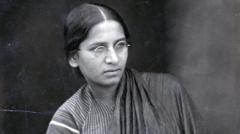
Irawati Karve's journey is a testament to resilience and courage, setting a remarkable precedent in an era when women were often sidelined. Born in 1905 in British-ruled India, she made the unconventional choice to pursue higher education abroad—specifically, in Berlin, Germany. Defying expectations that typically confined women to domestic roles, Karve became the first female anthropologist in India, challenging societal norms at every turn.Karve's academic pursuits began in an environment dominated by male figures. She was raised by a family that valued education, and despite her father’s objections, her strong advocacy from supportive figures like RP Paranjpye and her husband Dinkar Karve paved the way for her aspirations. Their encouragement was instrumental in her pursuit of a doctorate under renowned anthropologist Eugen Fischer.Her time in Germany during the politically charged climate of the late 1920s saw Nazism emerge from the shadows. Karve’s groundbreaking research, which contradicted Fischer's racial superiority theories, examines the flawed premise that physical traits were indicators of intelligence. Her findings concerning skull measurements challenged the status quo and criticized the underpinnings of eugenics—a stance fraught with risks especially given Fischer’s future alignment with the Nazi party.Recognizing the necessity to anchor anthropological studies with empathy, Irawati immersed herself in fieldwork across India upon her return. She tirelessly engaged with various tribes, embarking on challenging expeditions that often tested her physical and mental resilience. Her courage extended to culinary experiences that defied norms, as she ate unconventional foods out of respect and friendship, showcasing her ability to transcend cultural boundaries.Even as she faced personal hardships and societal prejudice, Karve’s commitment to social sciences and her advocacy for women’s rights never wavered. Her legacy lives on through her writings and the inspiration she provides to countless individuals striving for change. The biography "Iru: The Remarkable Life of Irawati Karve," authored by her granddaughter and Thiago Pinto Barbosa, encapsulates this incredible journey and reminds us of Karve’s indelible mark on history as a champion of equality and understanding.