In brief
Scientists have uncovered a 15mm hole in a Neanderthal shoulder blade that likely resulted from a sharpened wooden spear. The trajectory of the wound indicates the blade travelled from the chest, through vital organs, and out the left shoulder. The find, named Shanidar A and found in a Iraqi cave, marks the earliest sign of lethal interpersonal violence by Neanderthals. This evidence adds to older findings that point to early killings in prehistoric societies. The discovery fuels debate over how common and organized early human violence really was.
A shattered shoulder blade of a Neanderthal who died some 75,000 years ago provides the oldest hint that the species may have engaged in lethal combat.
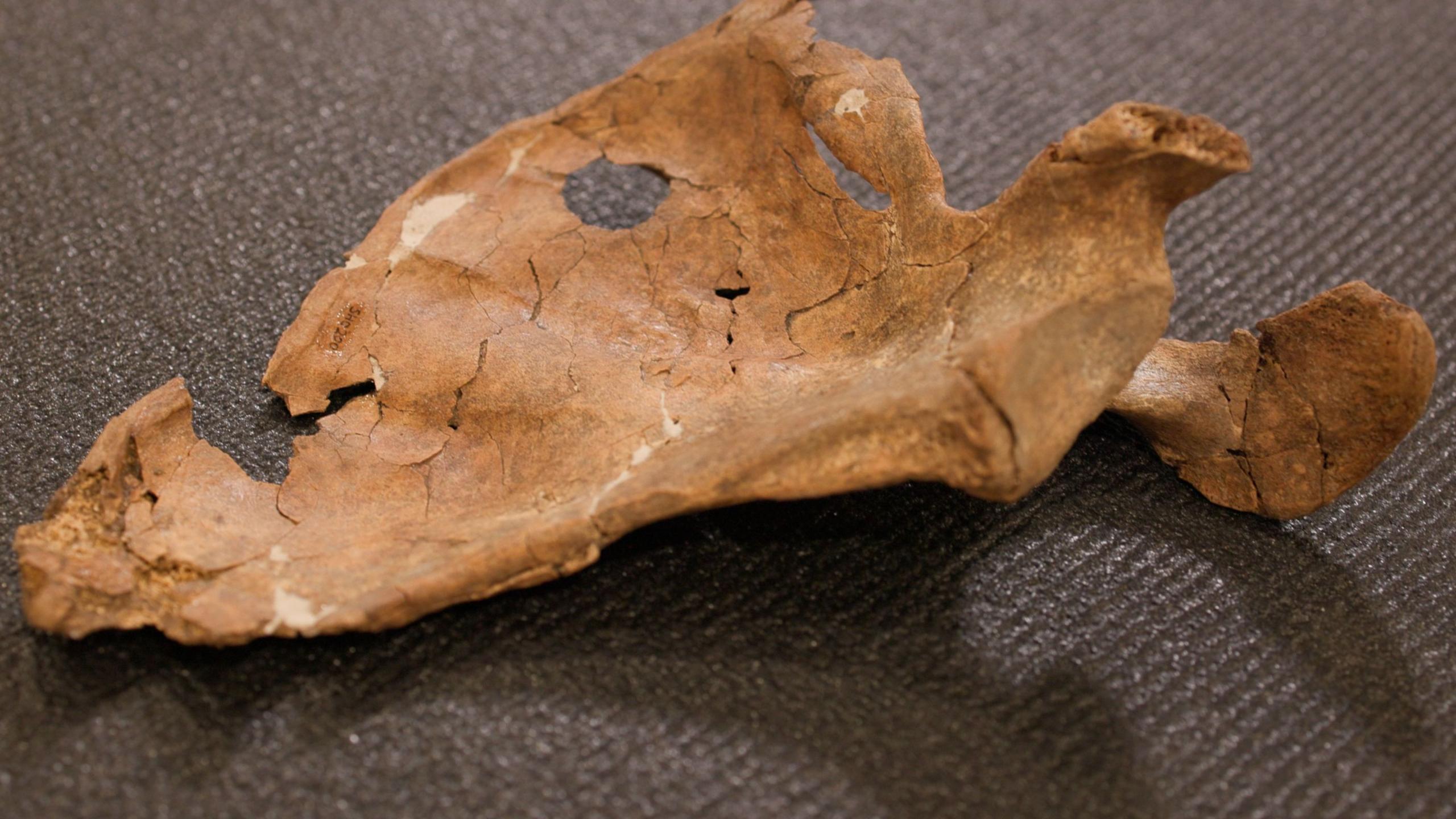
The 15 mm hole in the bone, discovered in the Shanidar Cave in Iraqi Kurdistan, matches the shape produced when a sharpened wooden spear pierces flesh. The angles of the wound suggest the blade entered the chest, damaged a lung and major blood vessels, and exited through the left shoulder.
Neanderthals had previously been thought largely peaceful, but the find supports a growing body of evidence that human‑on‑human violence existed early on. Dr Emma Pomeroy, lead author from Cambridge, noted that the wound was unlikely to be natural or the result of a hunting accident.
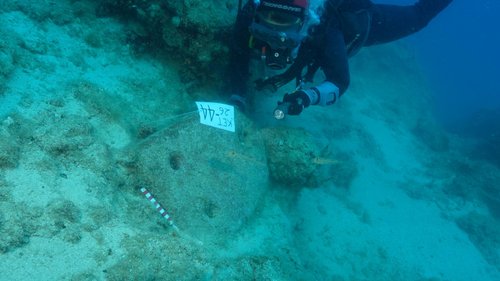
The Shanidar skeleton, dubbed Shanidar A, was found alongside other remains in the same cave, including ribs and teeth. The injury is the earliest indication that Neanderthals used wooden spears as weapons in lethal encounters.
Earlier Shanidar discoveries, such as a 50,000‑year‑old individual with a healed rib wound, also hint at stone‑tipped spears. Scientists and historians now debate whether such wounds represent accidental hunting injuries or deliberate attacks.
Parallel evidence from the Pit of Bones site in Spain, where 430,000‑year‑old skulls show multiple healed and fatal injuries, indicates that violence predates agriculture by far. These findings challenge the view that organized warfare began only once people settled permanently.
While the exact nature of the Shanidar wound remains uncertain, the pattern places Neanderthal violence into a broader context of early human conflict, suggesting that violent interactions are a deep part of our ancestry.