In brief
In Abu Dhabi, the Abu Dhabi Arabic Language Centre and partners announced BAREC 2.0, an AI-based platform that can adjust Arabic text readability to match different reader skill levels. The new edition builds on over 69,000 sentences from the first phase and adds explanatory feedback to show why a passage is classified at a particular level. The initiative aims to aid writers, educators and students in creating and simplifying Arabic content.
On 5 November 2026, Abu Dhabi witnessed the launch of the second edition of the Balanced Arabic Readability Evaluation Corpus (BAREC 2.0), a project that uses artificial intelligence to rewrite Arabic texts to suit a range of reading proficiency levels. The event was held in the Abu Dhabi Conference Centre, where representatives from the Abu Dhabi Arabic Language Centre (ALC), New York University Abu Dhabi (NYUAD), the Mohamed bin Zayed University of AI (MBZUAI) and Zayed University gathered to celebrate the initiative.
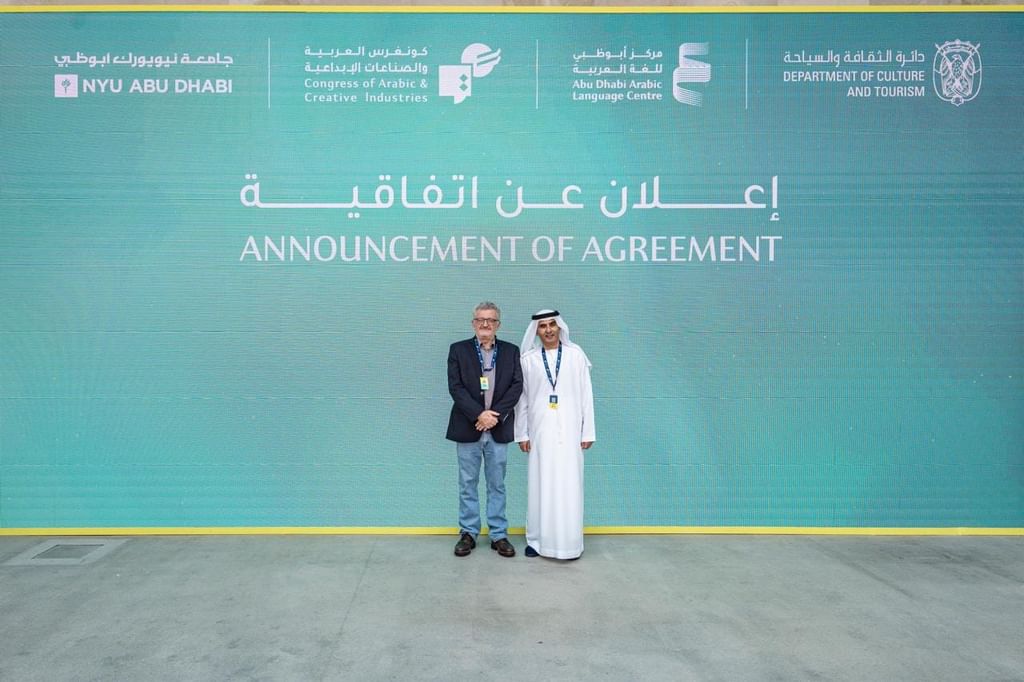
BAREC 2.0 is the result of an agreement signed between the ALC and NYUAD earlier in the year, which was later confirmed during the fifth edition of the Congress of Arabic & Creative Industries at Manarat Al Saadiyat. The ceremony was attended by Dr. Ali bin Tamim, Chairman of the ALC, and Professor Fabio Piano, Vice‑Chancellor of NYUAD, who highlighted the importance of the partnership for Arabic language education in the United Arab Emirates.
The new edition expands on the more than 69,000 sentences that were compiled for BAREC 1.0. It introduces AI‑powered tools that can alter the vocabulary and structure of a text so that it can be presented at beginner, intermediate or advanced readability levels. The system also produces explanatory feedback that shows the user why a text has been classified at a specific level, making the tool both practical for writers and valuable for teaching.
The AI models at the heart of BAREC 2.0 are capable of making precise changes to the language content. According to the ALC, these changes can range from simplifying complex phrases to re‑wording passages for more advanced audiences. The system’s feedback mechanism explains which linguistic features contributed to the text’s readability score.
In a statement released to the press, Dr. Bin Tamim said, “BAREC 2.0 is an important step forward in our efforts to advance Arabic readability research and harness modern technologies to support education and content creation. By combining linguistic expertise with advanced AI models, we are working to develop practical tools that help educators, writers and students assess and adapt Arabic texts to different readability levels.”
“This partnership has been established to strengthen Arabic language education in the UAE,” said Professor Piano. “NYU Abu Dhabi is proud to lead BAREC 2.0, bringing the power of AI to help teachers, writers and learners navigate the complexities of Arabic text.”
Educators, writers and students are among the primary beneficiaries of the project. Teachers can now prepare learning materials that match the proficiency of their students, while writers can craft articles or reports that are accessible to a broader audience. Students, in turn, can simplify scholarly or news texts, improving comprehension and reinforcing their language skills.
Beyond the classroom, the initiative is expected to enhance the digital use of Arabic. By making it easier to adapt content for different audiences, the project supports the creation of Arabic content that is better suited to the diverse readers online. The ALC hopes that BAREC 2.0 will contribute to a stronger presence of Arabic on the internet and in digital media.
The launch of BAREC 2.0 marks a significant milestone for Arabic language technology. With its AI‑enabled rewriting and transparent feedback, the corpus provides a powerful resource for those seeking to improve the readability of Arabic texts, from educational institutions to publishing houses and beyond.