In brief
Dr. Olga Shpak reveals the history of Hvaldimir, a beluga whale believed to have escaped from a Russian military program. Despite speculation that it acted as a "spy," Shpak suggests it was trained for guarding duties. Hvaldimir's life ended tragically in 2024, raising concerns over the use of marine animals in military operations.
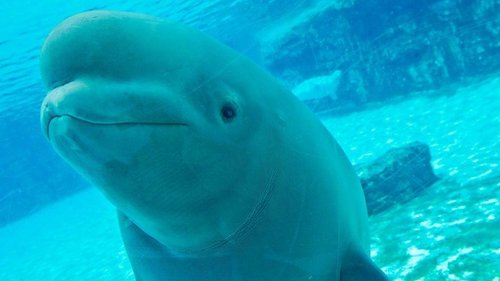
The enigma surrounding a abandoned beluga whale spotted off Norway has taken a significant turn, as new insights emerge from marine expert Dr. Olga Shpak. The gentle white whale, affectionately known as Hvaldimir, gained notoriety in 2019 when it was found wearing a harness, leading to rampant speculation about its origins and purpose. Recent conversations with colleagues from the Russian marine mammal community have led Dr. Shpak to assert that Hvaldimir indeed belonged to the Russian military and likely escaped from a naval facility.However, Dr. Shpak clarifies that she does not believe the whale was intended for espionage; rather, it was presumably being trained to serve as a guard for military operations. "For me it’s 100% (certain)," she stated regarding the whale's military ties. Her claims are showcased in a BBC documentary titled "Secrets of the Spy Whale," which highlights Hvaldimir's intriguing tale.The beluga whale first captured public attention when it approached fishermen near Norway's northern coast. Fisherman Joar Hesten recounted the encounter, describing the whale's quest for human help as remarkable. The harness worn by Hvaldimir was inscribed with "Equipment St Petersburg," suggesting its connections to Russian technology. After the harness was removed, the whale remained in Norway, enjoying human interaction while struggling to catch fish independently.Eve Jourdain, a researcher from the Norwegian Orca Survey, noted that Hvaldimir seemed conditioned to interact with human-made objects, indicating specialized training. Meanwhile, marine life monitoring protocols ensured that the whale was fed and protected, garnering admiration among locals, who named him after both the Norwegian word for whale ('hval') and hints of Russian leadership.Dr. Shpak's assertions are steeped in information garnered from Russian marine mammal professionals, who recognized the whale as missing one known as Andruha. Initially captured in 2013, Andruha was transferred to a military training facility, where speculation suggests its trainers might have inadvertently led to its escape. Sources indicate that Andruha's intelligent and rebellious nature could potentially explain the whale's desire to flee once exposed to open waters.Despite the unconfirmed presence of marine mammals at Russian military installations, the country has a history of utilizing them for various operational tasks. Nevertheless, Russian authorities have refrained from acknowledging Hvaldimir's military background.Tragically, Hvaldimir's story culminated in a somber fate. After traveling along the Norwegian coastline for years and being spotted as far as Sweden, the beluga was found dead in September 2024. While some speculated foul play, Norwegian authorities discovered that a stick trapped in its mouth was the true cause of death—dismissing links to human intervention. As more questions arise about the ethical implications of using marine mammals for military purposes, the story of Hvaldimir stands as a poignant reflection on the intersection of wildlife training and military secrecy.