In brief
Ukraine’s Operation Vivaldi has pushed Russian troops back over 277 square kilometres. A sudden cut to Starlink traffic – a vital battlefield communications tool – has raised fears that U.S. policy can shift overnight. The offensive, driven by drones and remote‑controlled ground vehicles, has seized key villages and set the stage for a broader manoeuvre. Russian statements downplay losses, claiming only defensive gains, while Ukrainian soldiers report rising morale. Amid the battlefield drama, a lone civilian in a destroyed village weighs the cost of the conflict and hopes for a swift end.
A Russian drone dashes across a screen, startling commanders monitoring the front from a bunker.
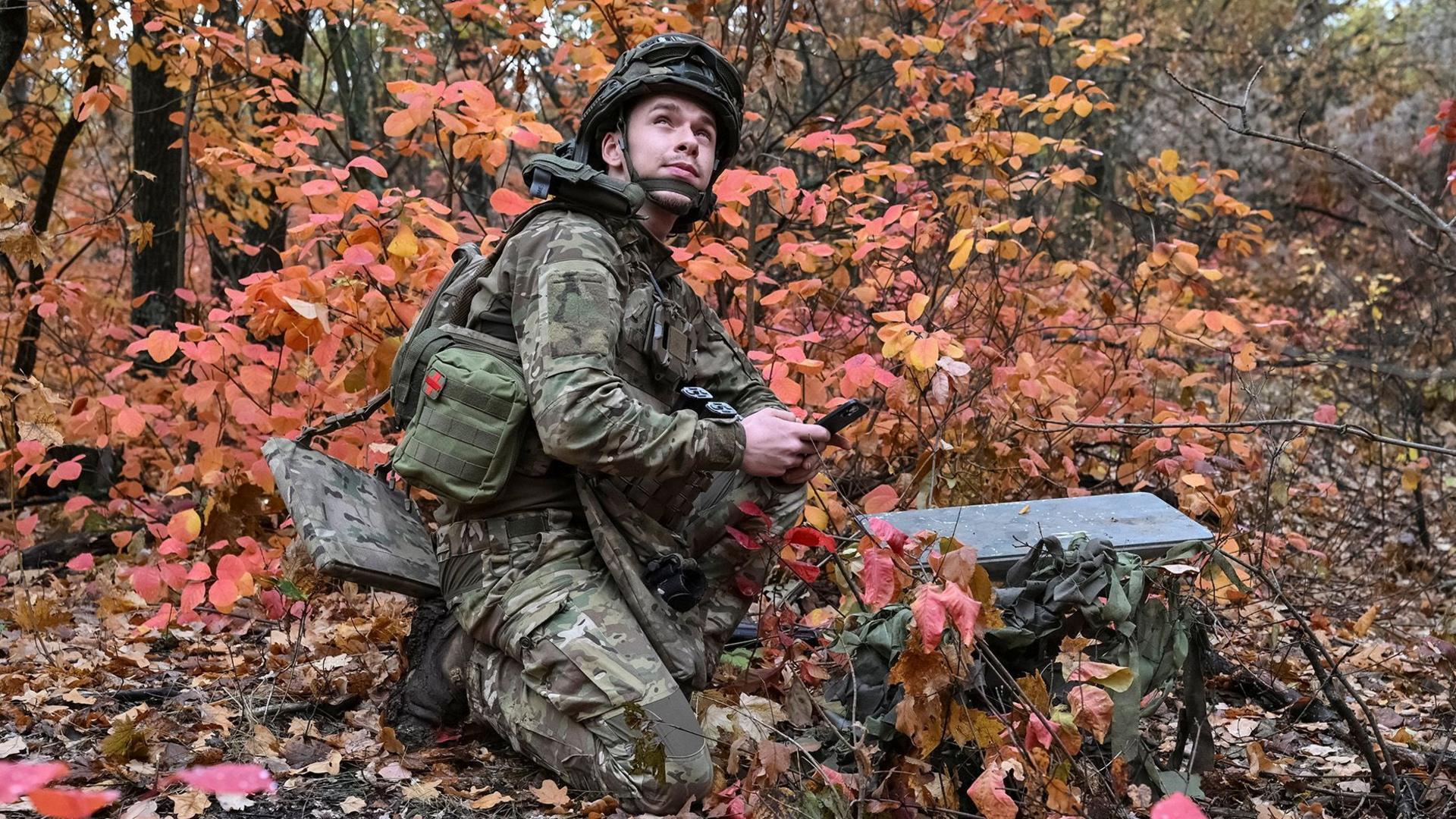
With a cigarette in one hand and a radio in the other, a commander signs a request that his own drone chase the threat down. The men below course across exposed ground in a three‑month rotation, a move that has pushed Russian forces further back.
Operation Vivaldi, the name which echoes the four‑season Italian concerto, has liberated 277 square kilometres in the eastern Donbas over recent months. The assault halted an attempted pincer that could have trapped key Fortress Belt cities still under Ukrainian control.
Russian officials maintain that they are merely “repelling attacks” in Lyman, while Kyiv counts roughly 8,000 enemy casualties in the offensive and about 50,000 along the entire front over September. Ukrainian losses remain low.
Starlink, now marketed as Starshield for the military, has become a linchpin for Ukrainian communication. The high‑speed satellite network delivers broadband connectivity across the battlefield, allowing drones to seek targets and commanders to issue orders. Last week the system faced sudden restrictions that froze its reach, a move that Ukraine suspects came from Washington without consultation.
The snare that knocked the enemy drone from the sky exemplified the layered modern battlefield: a command bunker receives a live feed, an attack drone neutralises a spotter, and the absence of a communication link would cripple the whole chain of command.
Remote‑controlled bombs and unmanned ground vehicles now move between trenches, delivering supplies, evacuating the wounded, and, in some instances, carrying explosives behind Russian lines. These tools helped 250 Russians surrender and sealed the advance of 16 settlements into Ukrainian hands.
A lone 61‑year‑old man who survived the retreat of Russian forces in 2025 remains in a village that has been almost completely blown to dust. He tells soldiers that he has seen the worst of war and wants nothing more than an end to the conflict.
Headquarters in Kyiv feel the strain from Washington. President Zelensky voiced feelings of betrayal by former President Trump, while American leaders noted a rougher dynamic between the two leaders than between Moscow and Kyiv. The limits on US civilian and military technology further sour the relationship.
Soldiers on the front maintain high morale, with many still thankful that drones can deliver food parcels to those in positions where the enemy is not yet close. The sense of moving forward, even as technical restrictions loom, signals a resilient push that Ukraine believes can bring a lasting victory.