In brief
The aftermath of Cyclone Chido in Mayotte reveals catastrophic damage and loss of life, as local officials grapple with a humanitarian crisis and President Macron faces renewed criticism over his government's response to the territory's needs.
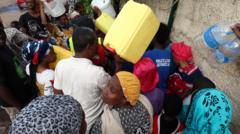
The impact of Cyclone Chido on Mayotte is nothing short of catastrophic, as seen through the eyes of BBC's Mayeni Jones. After landing on the smaller island of Petite-Terre, the extent of devastation becomes painfully clear; the once lush, rolling hills are now desolate and charred. The cyclone, which struck the French Indian Ocean territory on Saturday, unleashed ferocious winds registering up to 220 km/h. Trees have been stripped of their leaves, and their trunks lie flattened, transforming vibrant landscapes into scenes of ruin.Reports indicate at least 31 fatalities due to the cyclone, with thousands more still unaccounted for. Concerns mount over the potential for this number to climb in the days ahead. French authorities have declared a state of exceptional natural disaster as the region struggles to recover from the storm’s wrath. Mayotte, one of France's most impoverished territories, is reeling, particularly in its informal settlements where many residents reside.On Thursday, French President Emmanuel Macron visited the main island of Grande-Terre, where he came prepared with four tonnes of essential food and health supplies. However, his visit also sparked debates about the long-standing neglect faced by Mayotte, with critics attributing the scale of destruction to a lack of investment and support from Paris. Current political turmoil surrounding migration policies complicates the situation further, as the French government balances aid with concerns over potential increases in illegal immigration.Residents, devastated and desperate, continue to wait for basic necessities—food, clean water, and safe shelter. Just as Macron visited, heavy rain worsened conditions, flooding buildings with compromised roofs. In response to this disaster, France has declared a state of emergency, aiming to streamline processes for recovery. This emergency measure, initially set for one month, can be extended if needed. Emergency teams have been mobilized to restore vital services, deliver supplies, and search for missing individuals. There are fears of disease outbreaks due to water shortages and disrupted supplies, prompting health workers to prioritize restoring clean drinking water access.As half of the territory remains without power, the government has implemented a nighttime curfew to curb looting. Cyclone Chido is the region's deadliest storm in nearly a century, intensifying the crisis across the islands as it began impacting mainland Africa, where it has already claimed lives in Mozambique and Malawi. The future of Mayotte remains uncertain, with immediate humanitarian needs and broader socio-political issues intersecting in this French territory.