In brief
A group of conservation specialists from Chester Zoo undertook a daring mountain‑climbing mission to rescue 300 near‑extinct Madeiran snails, clinging to a rock on Bugio Island. The snails, only 8 mm long, were among the last of their kind and pose a vital ecological role by feeding on vegetation and fertilising the soil. Guided by local government cooperation, the team skimmed rough waters, scaled dark cliffs, and placed the snails back into cracks where they could thrive. The operation marks one of the most challenging reintroductions in the zoo's history and will be closely monitored by scientists. This successful mission highlights the importance of swift, on‑the‑ground action in preserving fragile species.
Zoo staff rescue near‑extinct snails from remote rock
A daring rescue mission by Chester Zoo conservationists successfully returned 300 near‑extinct, tiny snails to their natural home on Portugal’s Bugio Island.
Only a third of an inch in size, the Madeiran lands snails were found clinging to a rock after a brief, wet tide. Scientists and volunteers believed them to be the last of their species, a state of alarming near‑extinction.
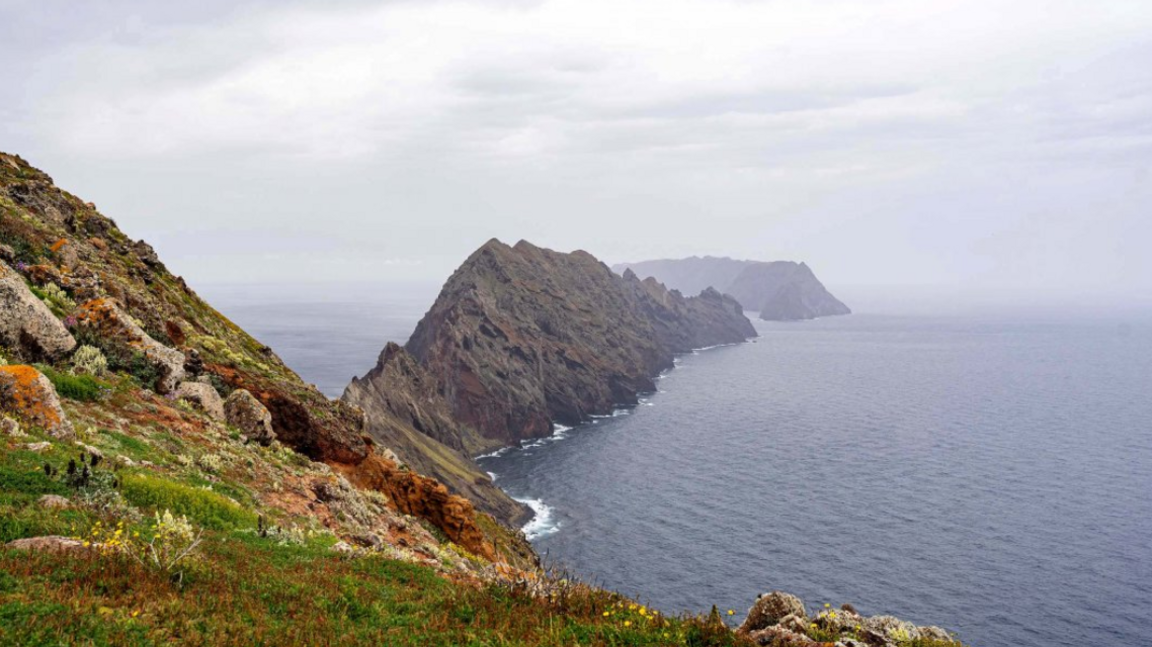
The rescue unfolded under treacherous conditions. Volunteers splashed across rough waves, scaled a dark cliff face, and carefully positioned the snails in safe crevices on the island’s rocks, a location with no jetty and poor visibility.
“We knew we had one shot to save them,” said Tamas Papp, assistant team manager for invertebrates at Chester Zoo. “If we missed this chance, they were gone.”
It was the most difficult reintroduction the zoo has ever faced. “We had a short window due to rough weather,” Papp added, “and everything required a helmet, harnesses, and sky‑high climbing.”
The rescued snails will be monitored as they return to the wild, playing an important ecological role by grazing vegetation and enriching soil. Their presence is hoped to bolster the fragile ecosystem of Bugio Island and the wider Madeira archipelago.
Chester Zoo scientists battled rough seas, climbed cliffs and released the snails, ensuring the survival of a species that feeds the island’s vegetation and soils.