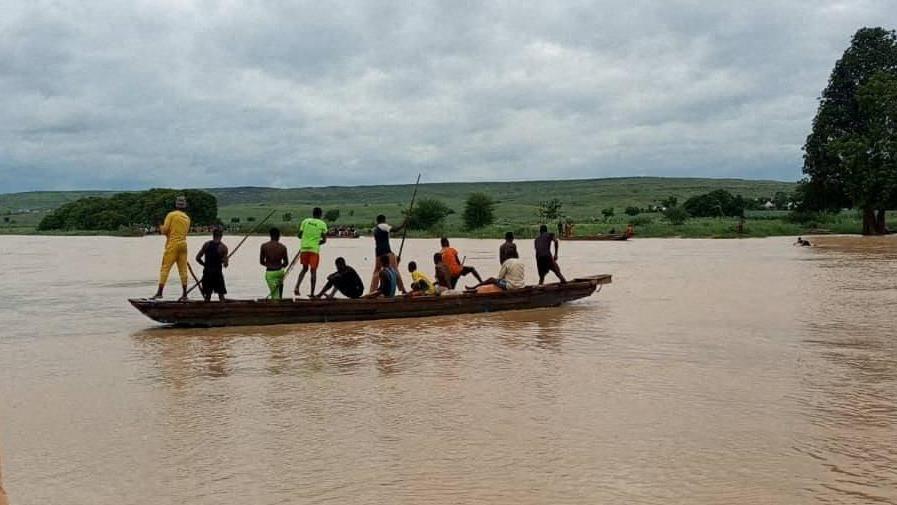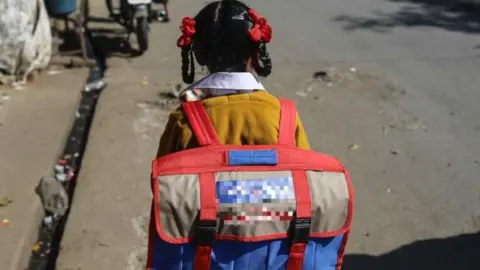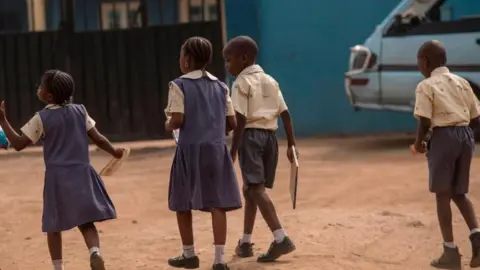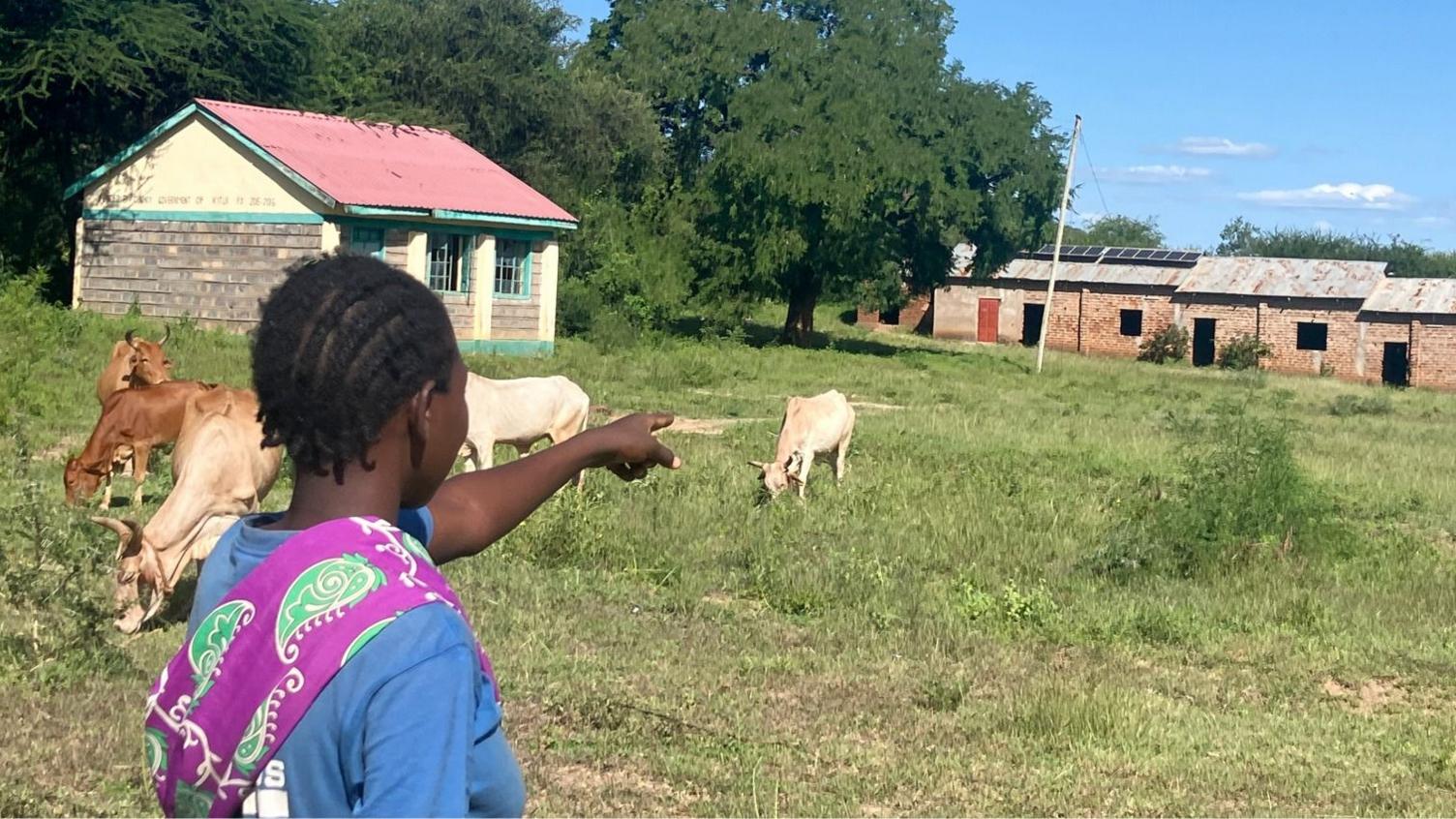
On a bright morning in Kitui county, a young girl in a school uniform points from a field where several cows graze, while empty classroom doors hang open like abandoned bells. In her words, the silent compound is a reminder that her peers have long since moved on. (AKU, 2026)
The story is not unique. Across rural Kenya, more than 2,000 primary schools now sit on grounds that are no longer viable for learning. The catalyst is the 2017 Competency‑Based Education (CBE) overhaul, which re‑organises grades, adds science and practical subjects, and pushes the final primary year down to grade six. While the policy intends to reduce inequity, it raises new expectations: science labs, specialised teachers, and a minimum of 45 pupils for a school to stay open.
"The CBE curriculum should strengthen schools, especially for low‑income communities, not weaken them." Tabitha Katingu, mother, Kitui county
When enrolment dips below that threshold, ministries hear a sobering truth: a headmaster, a classroom, a watchman and a teacher cost more than one child can pay for in resources. (U.S. News, 2026)
Adding to the problem is rural depopulation. Fewer births, coupled with the lure of jobs in towns, mean children are scarce. A local teacher notes that schoolgirls now walk an hour to a distant secondary school, a long trek that replaces a 10‑minute walk to their old campus. (Mark Kasyoki, education expert)
The impact ripples. Many closed schools have transferred students to nearby institutions, leading to overcrowding, stretched resources and diminished quality of education. Dr. Emmanuel Manyasa of Usawa Agenda warns that closing schools means shifting the problem rather than solving it, creating safety risks in overcrowded classrooms.
The Ministry of Education’s recent audit confirmed that over two thousand schools will either border‑line merge or shut down. Superintendent Julius Ogamba cites financial prudence: “It makes no sense to keep a school that serves just ten pupils.” He stresses a need for an implementation plan that balances infrastructure, teacher deployment and student numbers.
Until the policy’s practical requirements are matched with real resources, Kenya risks turning its rural educational foundation into a past‑tale. The cows will keep grazing, and the classrooms will keep staying empty. For the future of Kenyan children, decisive investment in rural schools is now more critical than ever.