In brief
Mauritius enforced a nationwide curfew to quell violent protests that erupted over water shortages and rising living costs. The unrest turned deadly when a woman was shot by police at a roadblock, leading to the officer’s arrest. Prime Minister Navin Ramgoolam vowed harsh penalties for those involved, while the government intensified police presence across public infrastructure. Despite the curfew, several incidents were reported and multiple arrests were made. Traffic resumed by Wednesday morning, and authorities announced a cabinet meeting to reassess the situation. Analysts say the crisis reflects deep social grievances and may persist until the rainy season, with potential for further protests if water supplies do not improve.
Mauritius was thrust into turmoil when violent protests erupted into riots, prompting police to impose an overnight curfew in an effort to restore order. The unrest began over grievances surrounding water shortages and a sharp rise in the cost of living, with demonstrators taking to the streets last week.
Tensions reached a fever pitch on Friday when a woman was shot and wounded by police at a roadblock. The circumstances of the shooting remain unclear, but the officer involved has been arrested and will remain in custody.
Prime Minister Navin Ramgoolam addressed the nation, warning that those who acted against the country’s interests would face severe consequences. He reiterated that Mauritius, a key tourism and financial services hub, cannot tolerate anti‑patriotic actions.
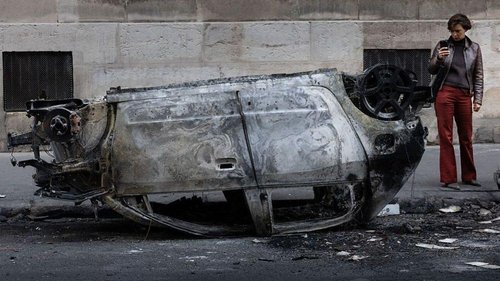
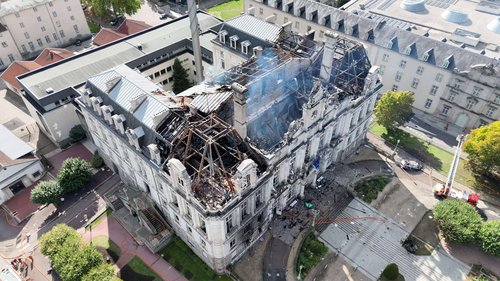
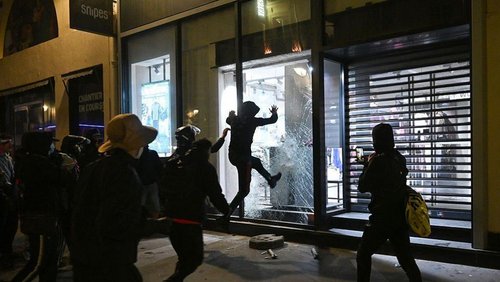
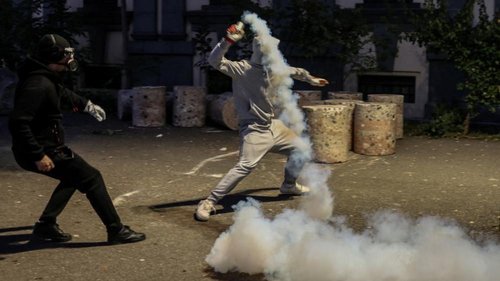
The demonstrators escalated unrest by burning tyres and blocking roads. Police stations and other public facilities were vandalised, leading to the closure of schools and public transport. Foreign embassies issued warnings for their citizens to exercise caution.
Despite the curfew, police reported several incidents overnight and made additional arrests. By Wednesday morning, traffic was reported to have resumed across the island, with authorities encouraging the public to return to normal activities.
"The protests, at such a scale, are unprecedented since around 1999," noted Zoë McCathie, a Signal Risk analyst based in South Africa. "The government’s decision to implement a curfew and close schools is logic and necessary given the unusual security situation." She cautioned that the water shortage crisis could persist until the rainy season in December and that hidden protests might still flare in some areas.
The cabinet is scheduled to convene Wednesday afternoon to evaluate the situation and determine the next steps for the country’s recovery and security strategy.