In brief
Theyyam, a vibrant and ancient folk ritual in India, enhances the spiritual experience through stunning performances that celebrate mythology, nature, and ancestral connections.
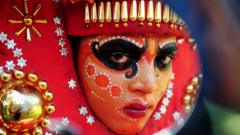
For nearly three centuries, a historic family home in Kerala's scenic landscape has served as a backdrop for theyyam, a time-honored folk ritual steeped in tribal roots and Hindu beliefs. This vibrant ceremony combines theatrical artistry with sacred devotion, transforming male performers into vivid embodiments of various deities adorned with elaborate attire and intricate face paint. Each year, as the theyyam season unfolds from November to April, thousands congregate to witness these events that weave together the ancient past and the divine.Performers, primarily from marginalized castes and local tribal communities, dedicate their craft to this ritual dubbed "ritual theatre." Among its thrilling highlights are daring acts that include fire-walking, stepping through embers, and reciting arcane chants—each performance packed with intensity and drama. Historian KK Gopalakrishnan has immortalized his family's legacy in a recent book, *Theyyam: An Insider’s Vision*, which delves into the spiritual depth and evolving heritage of the ritual, including the increasing presence of Muslim participants in this culturally rich practice.The vibrant theyyam shows often take place at Mr. Gopalakrishnan's ancestral estate in Kasaragod, where the atmosphere brims with excitement and reverence. As spectators gather, the performances come alive, honoring deified ancestors, warrior-hunter deities, and tiger spirits that reflect aspects of strength and protection. The ceremonies leading up to each show include sacred rituals that may start in the surrounding forests, solidifying the connection between the earthly realm and the divine.A significant aspect of this art lies in the Nambiar community, where senior male figures oversee the proceedings, supported by women who are instrumental in maintaining the integrity of the rituals. Their vital role ensures traditions are honored, setting the stage for the heartfelt performances that unfold amid the synchrony of sound and color.Interestingly, the performers often risk their physical well-being while engaging directly with fire, a symbol of divine energy and purification. The dramatic flair not only enhances visual intrigue but also illustrates the embodiment of supernatural capabilities represented by the deities themselves. The performance can transcend the everyday, inviting viewers to reflect on the intricate bond between humanity and spiritual forces.The dynamic expression of theyyam includes the portrayal of numerous deities, from ancestral spirits to fierce manifestations of goddess Kali. These portrayals are visually striking; the performers undergo transformations marked by bold colors and elaborate costumes, meticulously crafted to encapsulate their divine inspirations.The animistic principles of theyyam echo an unwavering respect for nature and its creatures, evident in performances inspired by a variety of animals, including those embodied by crocodile deities. This connection to nature is foundational, reminding humans of their interdependence with the natural world.As the ritual culminates, it offers a poignant moment for listeners and performers alike, inviting heartfelt prayers and a sense of solace as devotees seek blessings for their burdens. Through the theyyam, the fusion of devotion and artistry illuminates the enduring significance of these ancient practices, forging deep connections between community members and the divine.