In brief
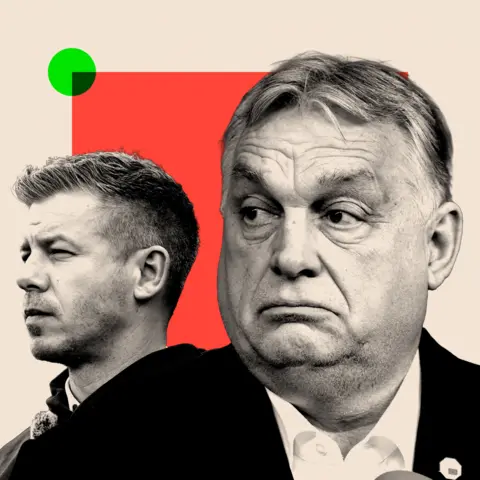
Hungarian Prime Minister Viktor Orban, who has led the country for 16 years, is facing a mounting challenge to his leadership as the 12 April parliamentary elections draw near. With polls indicating a significant lead for the opposition Tisza party and rising public discontent, Orban's government is under pressure. Accusations of corruption, shifts in public perception, and an assertive campaign from his opponent, Peter Magyar, have created an uncertain political climate in Hungary. The outcome of this election could have far-reaching repercussions, not just domestically but across Europe as nationalist movements grapple with Orban's legacy.
The recent mass election rally in Györ, where Orban's frustration spilled over in response to opposition protests, marked a significant moment in his campaign. Opinion polls are now suggesting that the Tisza party, led by former Fidesz insider Peter Magyar, holds a substantial advantage over Fidesz, elevating anxiety in Orban's camp. In power since 2010 and supported by US and Russian leaders, Orban has faced criticism for his autocratic governance and perceived corruption.As new voter sentiments emerge, marked by frustrations against ruling elites worldwide, Orban’s ability to sway undecided voters is dwindling. With public trust shifting and increasing allegations against his government, Orban is turning to familiar tactics, blaming the Ukraine conflict and its EU supporters for Hungary's challenges.The upcoming election is not only a referendum on Orban's leadership but also on the future of the authoritarian model he has championed. It serves as a litmus test for right-wing politics across Europe, with implications that extend beyond Hungary itself. As both sides gear up for election day, the stakes are higher than ever, reflecting the broader tensions between populism and democratic accountability.