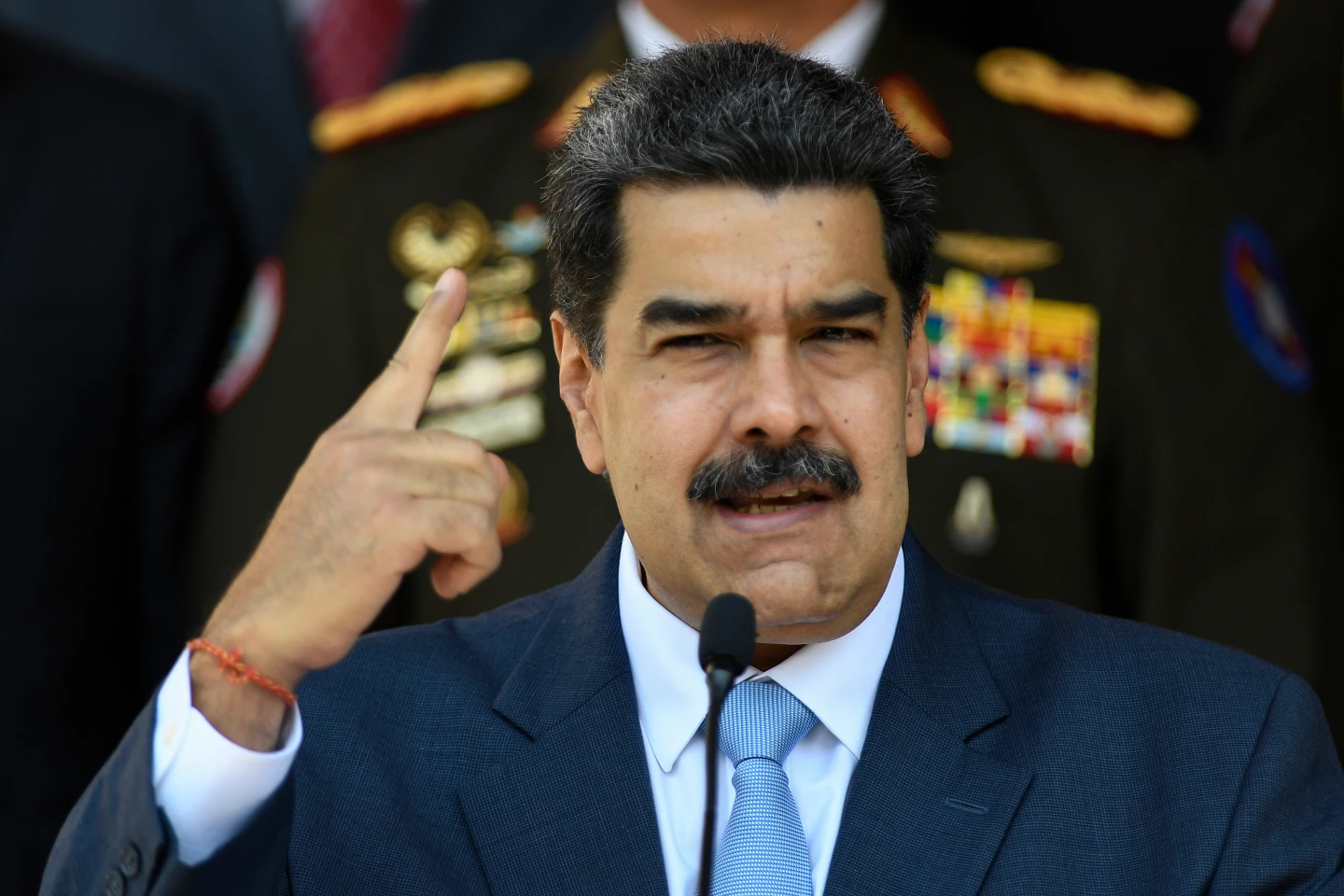
A judge appeared sympathetic on Thursday to legal arguments that ex-Venezuelan leader Nicolas Maduro and his wife Cillia Flores should be allowed to use money from the Venezuelan government to fund their defense. Maduro and Flores's attorneys asked the judge to dismiss the narco-terrorism case against the pair because the US denied them use of the funds for their lawyers due to current sanctions. Prosecutors argued Maduro 'plundered' Venezuela's wealth and should not be able to use that country's money for legal fees.
The 92-year-old Judge Alvin Hellerstein, however, noted that 'the right to defense is paramount', though he said he would not be dismissing the case over the dispute. He stated that he would issue a ruling at a later time, including the next court date.
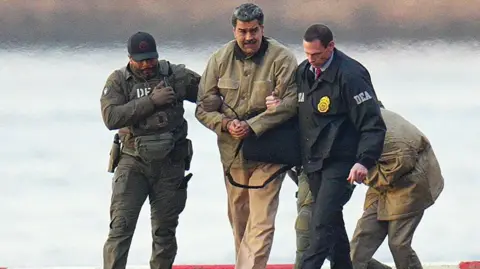
Maduro and Flores were seized by US forces from his compound in Caracas in a dramatic night-time raid on January 3 and were brought to New York to face allegations of weapon and drug offenses, which they deny.
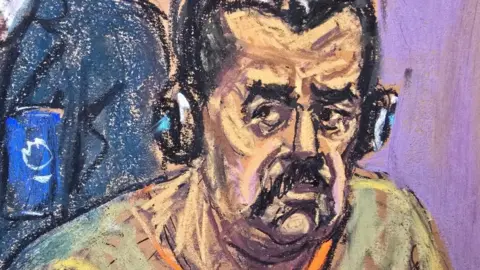
On Thursday, wearing green khaki prison jumpsuits, Maduro and his wife sat quietly with several lawyers in-between them as they listened to a translation of the arguments through headphones. The mood stood in stark contrast to their first court appearance, where Maduro delivered an impassioned speech claiming he had been kidnapped and was innocent.
Due to US sanctions, Maduro and Flores needed to obtain a license to allow the Venezuelan government to pay their legal fees. The US Government Office of Foreign Assets Control (OFAC) initially granted that license, then revoked it.
Prosecutors argued that the Maduros should not be able to access Venezuelan government funds due to national security concerns and claimed they had access to personal funds available to pay for attorneys, which the Maduros deny.
Judging from the hearings, Judge Hellerstein appeared to side with Maduro's lawyer Barry Pollock's argument, that the unusual circumstances of the case, taking place in another country, would be overwhelming for a public defender, thus hampering the counsel they could provide.
As the legal battle continues, residents in Venezuela are keenly observing the developments, expressing mixed views on Maduro's fate. While some feel sympathy for him, seeing him as a victim of greed, others hold him accountable for the suffering in their homeland.
The 92-year-old Judge Alvin Hellerstein, however, noted that 'the right to defense is paramount', though he said he would not be dismissing the case over the dispute. He stated that he would issue a ruling at a later time, including the next court date.
Maduro and Flores were seized by US forces from his compound in Caracas in a dramatic night-time raid on January 3 and were brought to New York to face allegations of weapon and drug offenses, which they deny.
On Thursday, wearing green khaki prison jumpsuits, Maduro and his wife sat quietly with several lawyers in-between them as they listened to a translation of the arguments through headphones. The mood stood in stark contrast to their first court appearance, where Maduro delivered an impassioned speech claiming he had been kidnapped and was innocent.
Due to US sanctions, Maduro and Flores needed to obtain a license to allow the Venezuelan government to pay their legal fees. The US Government Office of Foreign Assets Control (OFAC) initially granted that license, then revoked it.
Prosecutors argued that the Maduros should not be able to access Venezuelan government funds due to national security concerns and claimed they had access to personal funds available to pay for attorneys, which the Maduros deny.
Judging from the hearings, Judge Hellerstein appeared to side with Maduro's lawyer Barry Pollock's argument, that the unusual circumstances of the case, taking place in another country, would be overwhelming for a public defender, thus hampering the counsel they could provide.
As the legal battle continues, residents in Venezuela are keenly observing the developments, expressing mixed views on Maduro's fate. While some feel sympathy for him, seeing him as a victim of greed, others hold him accountable for the suffering in their homeland.