In brief
Research indicates one-third of native butterfly species are in serious decline, with urgent steps needed for recovery.
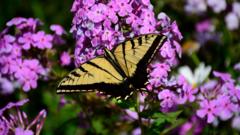
The iconic butterfly populations in the United States have experienced a shocking decline of over 20% in just 20 years, according to a comprehensive study conducted by Binghamton University researchers. The study, which spanned from 2000 to 2020, indicated that butterfly numbers fell by 22%, signifying a serious ecological concern. Alarmingly, a significant one-third of the species evaluated showed substantial declines, with some, such as the Julia's Skipper, suffering losses exceeding 90%.The pivotal research, detailed in the journal Science, compiled data from 12.6 million butterfly sightings across 76,000 surveys that included 35 different monitoring programs. Citizen science initiatives, such as the Fourth of July counts by the North American Butterfly Association, contributed extensively to the findings. Utilizing statistical models, the researchers examined population dynamics for a total of 342 butterfly species, discovering that 33% were encountering notable declines, with 107 species experiencing reductions greater than 50%.Professor Eliza Grames, an assistant professor in biological sciences at Binghamton University, echoed the sobering nature of the findings: "While the results aligned with global trends, seeing the extent of the decline at such a large spatial scale was sobering." The study highlighted multiple species facing severe threats, including the Florida white, Hermes copper, tailed orange, Mitchell's satyr, and West Virginia white butterflies, each battling reductions in abundance over 98% in the US.A considerable decline was also observed in the West Coast lady butterfly, which previously thrived in suburban areas but has faced an 80% population drop. "That's alarming because it suggests even common butterflies aren't safe," emphasized Prof Grames. The primary drivers of these declines include habitat loss, pesticide use, and the significant impacts of climate change.As critical pollinators, butterflies profoundly influence plant reproduction and crop production. The decline in their populations could consequently jeopardize food sources and disrupt entire ecosystems. Additionally, butterflies serve as indicators of environmental health; their decline signifies potential issues affecting broader ecosystems.Geographically, the Southwest US has emerged as the most severely impacted region, largely due to extreme heat and drought conditions which researchers believe are doing double damage by harming butterflies directly and affecting their food sources and host plants. “Drought is a double threat,” remarked Prof Grames.The implications of these findings could catalyze key conservation initiatives, potentially influencing the International Union for Conservation of Nature (IUCN) Red List and enhancing protections under the Endangered Species Act. Despite the alarming declines, there's a note of optimism: butterflies are capable of recovery due to their short life cycles. Simple actions like planting wildflowers, decreasing pesticide usage, and allowing patches of grass to grow wild can dramatically enhance their chances of revival. Echoing this sentiment, Prof Grames stressed the critical need for proactive governmental policies to preserve insect populations, as they form the backbone of Earth's ecosystems.