In brief
Two Russians, Igor Ratchin and Lev Lakshtanov, are set to be tried in Angola for allegedly orchestrating anti-government protests tied to a campaign of disinformation. The prosecution claims their actions were part of a broader operation linked to the now-defunct Wagner Group, aiming to influence the upcoming presidential election. As Angola pivots away from Russian influence toward Western ties, this trial may expose deeper concerns regarding foreign meddling in African politics.
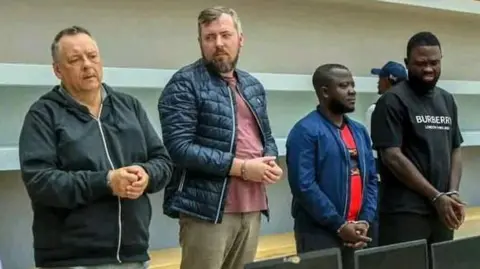
Two Russians are due to go on trial in Angola accused of stirring up anti-government protests, conducting a campaign of disinformation, and attempting to interfere in next year's presidential election.
Arrested last August, political consultant Igor Ratchin and translator Lev Lakshtanov are facing 11 charges, including terrorism, espionage, and influence peddling.
The BBC has obtained a copy of the indictment that includes charges relating to an alleged operation aimed at changing the political course of Angola.
The Russians' lawyers challenge the indictment on the grounds that it lacks 'concrete and objective facts'.
According to the prosecution, the Russians acted on behalf of Africa Politology, a shadowy network of operatives and intelligence officers in Africa that emerged from the now-defunct Wagner Group, whose founder Yevgeny Prigozhin died in 2023 in a plane crash.
Angola is a top African oil producer and diamond exporter. Its natural resources and strategic position make it a country of continued interest for Moscow. But while ties date back to the Cold War, Angola has been gradually drifting away from Russia's sphere of influence.
Prosecutors allege that the Russian operatives arrived in Angola's capital, Luanda, under the pretext of opening a Russian cultural centre. However, this project never materialized, leading to accusations of orchestrating political influence activities instead.
The alleged operations included hiring local journalists and political consultants to disseminate disinformation aimed at undermining trust in Western partners supporting Angolan President João Lourenço. Amidst national unrest following protests last year, the prosecution claims evidence was found on the defendants' mobile phones suggesting orchestration of the very protests they allegedly incited.
The case raises broader questions about foreign influence and the narrative surrounding political stability in Angola, particularly with accusations of using the Russians as scapegoats for civil unrest that stems from the country's socioeconomic challenges.