In brief
The UNAids Executive Director highlights critical risks linked to reduced foreign aid, with a severe impact on health services, particularly for women and children worldwide.
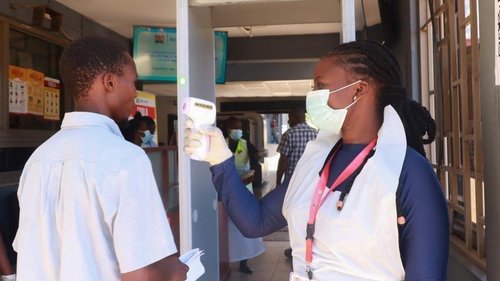
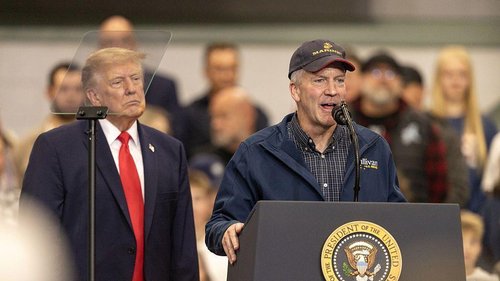
In a stark warning from the UNAids chief, significant cuts to U.S. funding aimed at combating HIV/AIDS may lead to an alarming increase of 2,000 new HIV infections per day and stunt global progress against the virus. Over the next four years, this reduction in aid could contribute to more than six million additional deaths from the disease, marking a troubling reversal from efforts that saw HIV-related deaths drop from over two million in 2004 to around 600,000 in 2023.UNAids Executive Director Winnie Byanyima criticized the U.S. government’s decision to halt foreign aid, which includes vital funding for HIV initiatives, noting the dire impact on vulnerable populations, particularly women and girls. She has called for immediate action to reverse these cuts, emphasizing the urgent need for support in the fight against HIV.President Donald Trump's administration initiated the freeze on foreign aid during his first day in office, part of a broader reassessment of government spending. As a result, numerous U.S.-funded health programs, including essential HIV treatment and prevention efforts, have come to a standstill, causing the closure of crucial clinics and marked shortages of anti-retroviral (ARV) drugs across Africa.Byanyima expressed concerns about the potential resurgence of conditions reminiscent of the 1990s, when access to HIV medication was scarce in developing countries, leading to soaring infection and mortality rates. Historically, the U.S. has been a primary contributor to global HIV treatment funding, and while some cutbacks may be reasonable over time, the sudden nature of the withdrawal of aid is alarming.The absence of any response from U.S. officials to calls for reconsideration of these funding cuts has left many in the international health community apprehensive. Concurrently, traditional European donors are planning their own funding reductions, and UNAids has not indicated that other nations will fill the financial void left by U.S. contributions.In Geneva, Byanyima shared the story of Juliana, a young Kenyan mother whose employment in a U.S.-funded program for new mothers has ended. Without the program, she faces unemployment and the risk of losing access to her much-needed treatment while nursing her child. Previous alerts from the World Health Organization (WHO) highlighted that eight countries could face severe shortages of HIV medications following the U.S. aid suspension.WHO chief Tedros Adhanom Ghebreyesus remarked that disruptions to HIV initiatives could reverse two decades of progress in combating the disease. In South Africa, the Treatment Action Campaign (TAC) warned of a potential regression to conditions where HIV patients consistently struggled to access necessary resources for treatment.Proposals for collaboration have also surfaced, with Byanyima extending an offer to the Trump administration to market a new ARV treatment, Lenacapavir, developed by Gilead. This injection-based treatment could be beneficial to millions of people, presenting an opportunity for both U.S. economic gain and public health advancement.Moreover, UNAids is not the sole UN entity grappling with funding diminutions, with the UN Refugee Agency warning of job cuts and UNICEF signaling that advancements in reducing child mortality are under threat. The World Food Programme has also announced reductions in rations in areas facing famine, underscoring the wide-reaching effects of decreased financial support across multiple sectors.