In brief
A new US‑Saudi pact could grant the Gulf kingdom the ability to enrich uranium domestically, a move that US companies may profit from but that raises concerns among nuclear experts and allies. The deal, reportedly approved by President Donald Trump’s administration, is poised to be announced this week and will be forwarded to Congress. Critics warn that the provision could pave the way for Saudi Arabia to develop nuclear weapons, especially if enrichment takes place on Saudi soil. Despite the deal’s commercial potential, it highlights the complex interplay between Middle East security dynamics and global non‑proliferation efforts.
US to announce deal allowing Saudi Arabia a nuclear programme, reports say
The US and Saudi Arabia are expected to announce a deal that will allow the Gulf kingdom to develop a civilian nuclear programme, according to US media reports.
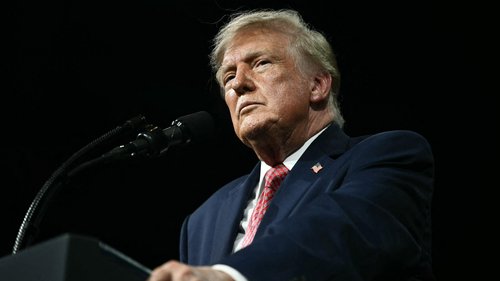
An announcement is expected from US President Donald Trump’s administration on Wednesday, US officials were cited as saying.
The agreement could be worth billions of dollars to the US, with American companies potentially building a facility to produce enriched uranium for power plants – and potentially for weapons.
Nuclear experts and former Israeli officials have voiced concern that the plan could ultimately enable Saudi Arabia to develop a nuclear weapon.
The BBC has asked the White House for comment.
Under the terms of the arrangement, Saudi Arabia may be allowed to enrich uranium on its soil to produce fuel at a US‑built enrichment facility, rather than relying on imported fuel.
This provision distinguishes the agreement from the 2009 US‑UAE pact, in which the UAE does not produce its own fuel and is subject to restrictions.
The deal is anticipated to attract opposition from non‑proliferation campaigners who aim to curb the spread of nuclear weapons worldwide.
The nuclear issue has been central to the US‑Israeli conflict with Iran; the two nations cited preventing Iran from developing a nuclear weapon as a reason for the February strike, a claim Iran disputes.
Coalight Prince Mohammed bin Salman told CBS in 2018 that Saudi Arabia was not planning to acquire a nuclear weapon, yet added that if Iran did, Saudi Arabia would follow suit.
The US‑Saudi deal, expected to be unveiled on Wednesday, has reportedly been approved by Trump and is set for a 30‑year duration, as reported by the Wall Street Journal.
If the US disapproves of enrichment taking place in Saudi Arabia after the joint study, the kingdom would be barred from doing so on its own or with another foreign partner for ten years, the newspaper said.
The plan will now be forwarded to the US Congress; some lawmakers across the aisle are expected to oppose the deal, though the Republican Party controls both chambers.
The US‑Saudi pact has no conditions linked to normalising diplomatic ties with Israel, according to the New York Times; the push for Saudi‑Israeli normalisation has been a goal for successive US presidents.