In brief
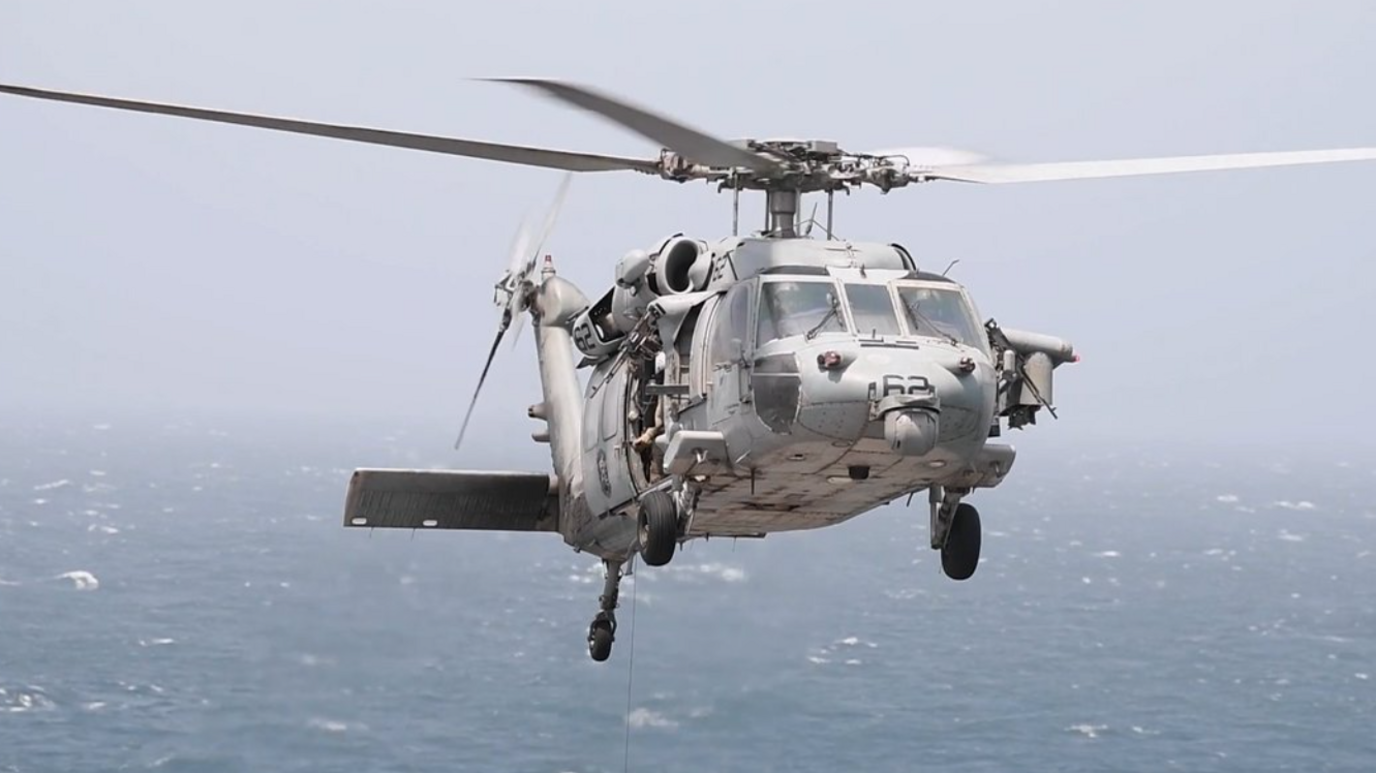
In a statement on Tuesday, U.S. Central Command said an MH‑60 helicopter fired two Hellfire missiles at the engine room of the Panama‑flagged M/V Vela Nova as it attempted to enter an Iranian port. The ship, said to have ignored repeated warnings, was rendered inoperable. Central Command added that the blockade remains in force, having already intercepted 55 ships and disabled three vessels in the last year. The incident adds to mounting tensions in the Gulf following Iran’s retaliation against U.S. forces and pressure on global oil routes.
The U.S. military announced that on Tuesday an MH‑60 helicopter fired two Hellfire missiles into the engine room of the Panama‑flagged cargo ship M/V Vela Nova. The strike was intended to disable the vessel’s steering gear as it tried to navigate between the Persian Gulf and the Strait of Hormuz, in breach of a U.S. blockade aimed at preventing Iranian access to port facilities.
According to U.S. Central Command, the ship ignored repeated warnings from American forces, prompting the missile attack. While the U.S. report did not mention casualties or injuries, it confirmed that the vessel is no longer transiting to any Iranian port.
The incident comes amid a broader U.S. effort to maintain control of the Strait of Hormuz—the key maritime corridor for about one‑fifth of global oil and liquefied natural gas. In the past year, the U.S. blockade has redirected 55 commercial ships, disabled three non‑compliant vessels, and boarded two others, according to Central Command’s public statement.
In parallel, Yemen’s internationally recognised government reported that Houthis, allied with Iran, struck a cargo ship in the Red Sea on the same day, killing six and injuring ten. The Houthi attack targeted a vessel believed to be carrying Saudi military equipment, signalling a new level of maritime aggression in the region.
The U.S. action and subsequent regional responses highlight the fragile security of vital shipping lanes. As tensions flare, global oil markets continue to react to disruptions in the Strait, underscoring the economic stakes of maintaining maritime openness in the Persian Gulf.