In brief
In the aftermath of the My Lai massacre, the villagers strive to let go of anger and trauma, fostering resilience and understanding through shared experiences and memorialization of their painful history.
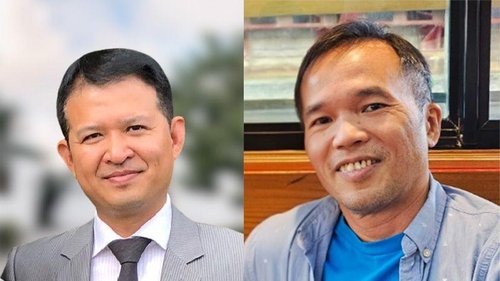
The village of My Lai, marked by the tragic events of March 16, 1968, has transformed from a site of horror to a beacon of resilience and healing. This hamlet in Vietnam was the backdrop for the mass killing of over 500 innocent villagers by American soldiers during the Vietnam War, an event that remains one of the most harrowing examples of wartime brutality.Visitors to the humble museum dedicated to the massacre are often struck by the juxtaposition of its grim purpose and the light-hearted ambiance that features unexpected attractions like strawberry ice cream for sale at the entrance. The museum is not just a repository of sorrow; rather, it offers lessons in letting go of hatred and embracing the future.Nguyen Hong Mang, who was just a teenager at the time of the massacre, recalls with haunting clarity the moment he greeted the American soldiers with an innocent smile, only to witness the unthinkable moments later. “I survived because the Americans shooting everyone ran out of bullets,” he recounts, a chilling reminder of the randomness of survival amidst massacre.This village's approach to its painful past reflects a unique perspective on trauma. Unlike many war memorials that glorify victory, My Lai invites visitors to confront tragedy while emphasizing healing through remembrance and reflection. It teaches that while scars from the past are indelible, they do not have to dictate a community's identity.With few signs of tourism and a largely quiet atmosphere, the surviving residents of My Lai continue to navigate the complexities of memory and forgiveness. Their resilience reinforces a vital narrative: to honor the past without allowing it to overshadow the potential for peace and healing in the days to come.