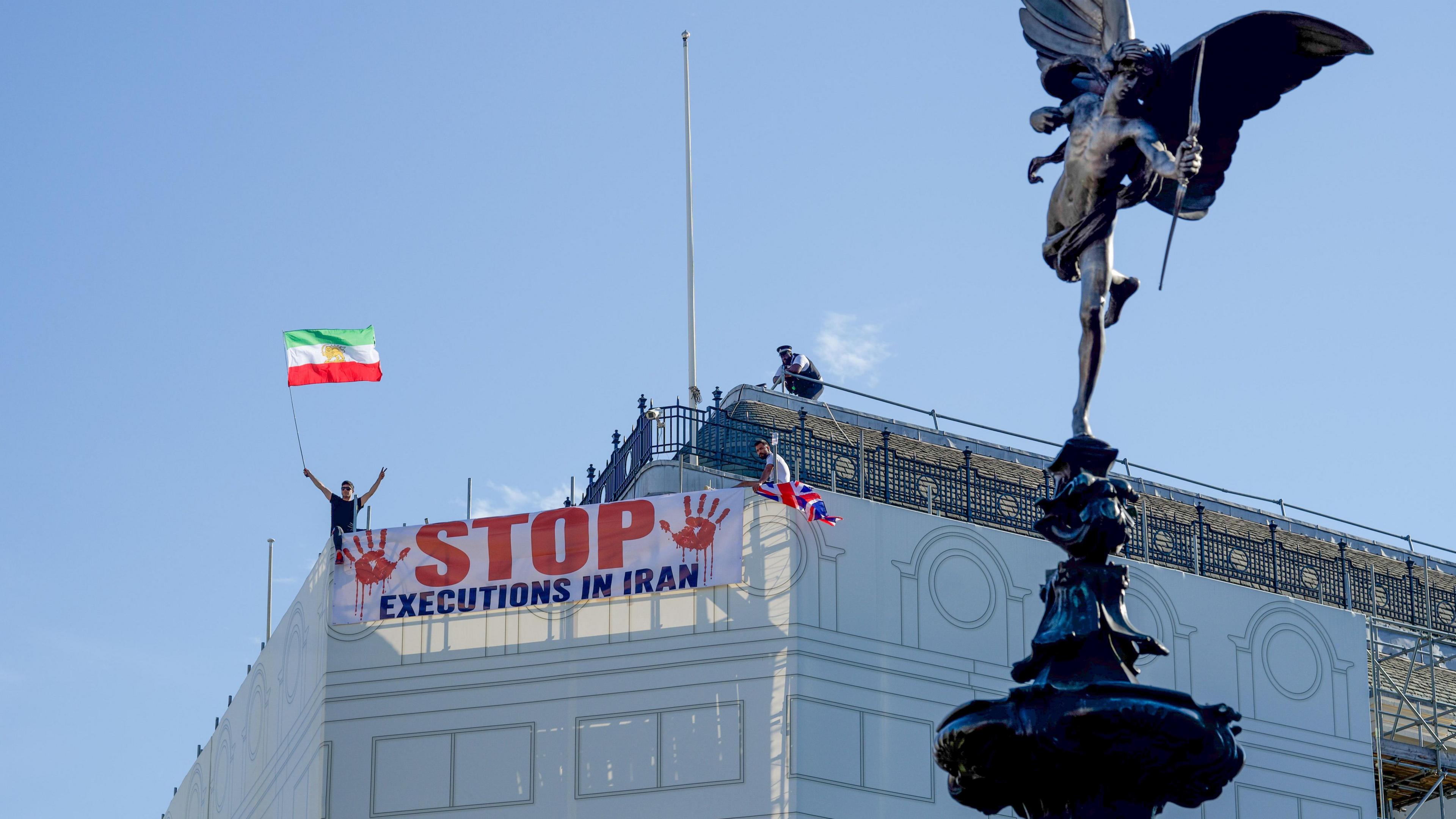
Volker Turk of the United Nations notes a dramatic increase in executions in Iran since March, with 56 people executed on national‑security charges and more than 100 others at risk. Capital punishment appears to be used to instil fear and silence dissent. Amnesty International reports 2,159 executions last year, placing Iran second only to China. Turk calls for a halt to all executions and urges a move toward abolishing the death penalty, citing violations of fair‑trial standards and allegations of torture. Recent executions involve two spies and several protestors, some allegedly carried out publicly within weeks of arrest.
Of the 56 executions, 27 were linked to January’s nationwide anti‑government protests. The UN has criticised the continued use of the death penalty for drug‑related offences and the lack of due process, as confessions are reportedly obtained under torture.
Iran has defended its use of the death penalty as a measure for the most severe crimes, but no reply has yet been offered to the UN’s summons. The judiciary recently executed two men convicted of espionage during the current war and a 19‑year‑old protester convicted of a security charge, among others. Several public executions have been reported in city squares and within weeks of arrest.
Underscoring the urgency, Turk highlighted that twelve defendants were sentenced to death after a single closed‑door hearing lasting three hours, with no clarity about each individual’s responsibility. Such practices, he says, violate established fair‑trial standards. The UN remains vigilant, calling on Iranian authorities to reconsider its policies on the death penalty and uphold international human rights norms.