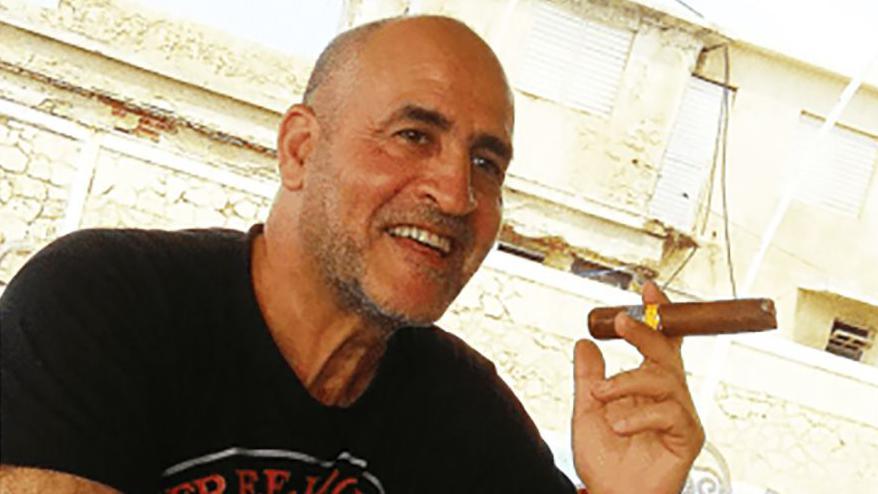
In a quiet Cornish seaside village, former Wall Street managing director Simon Andriesz read the colossal digital archive released as part of the Jeffrey Epstein dossier. His search for references to his own initials led to a 2018 e‑mail chain in which Howard Lutnick, then a partner at BGC Partners, discussed a start‑up venture called Adfin with Epstein, the notorious financier whose name now carries an international brand of scandal.
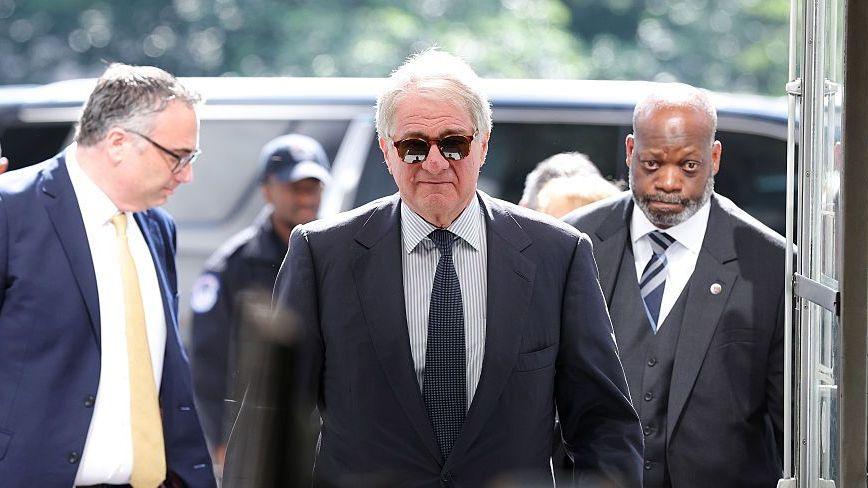
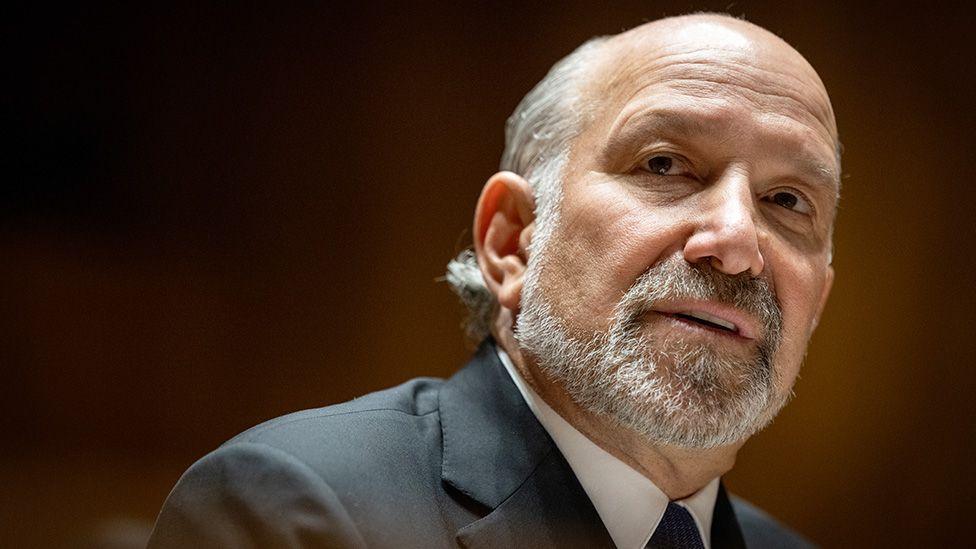
The correspondence shows a direct conversation: Epstein asked Lutnick, “What do you think the prospects for Adfin are?” and Lutnick replied, “Producing revenue finally…in the next 12 months we need to become economically self‑sufficient.” Andriesz then forwarded the evidence to Members of Congress on the House Oversight Committee ahead of Lutnick’s scheduled testimony in May.
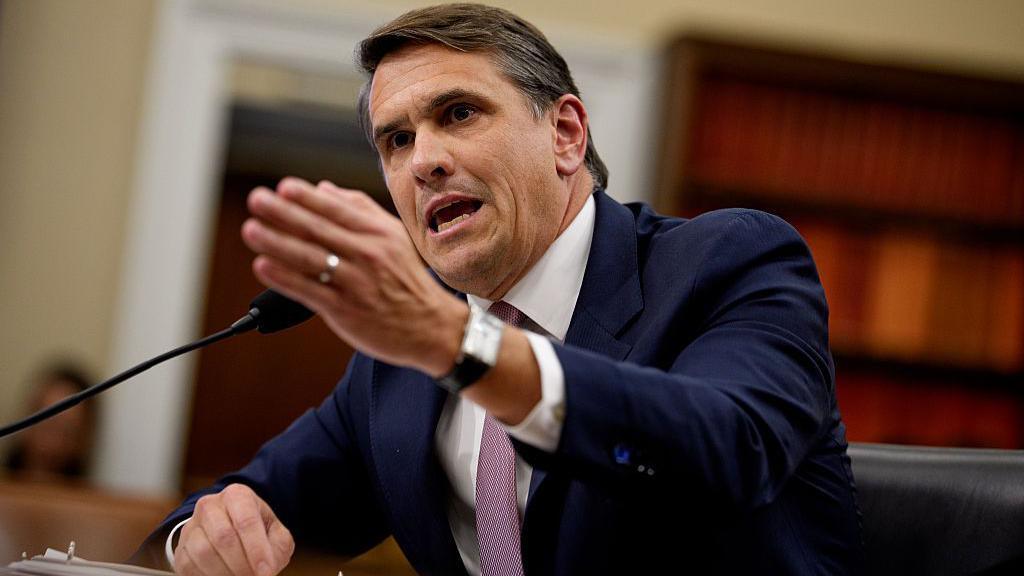
When Lutnick appeared, he maintained he had only known that Epstein was an investor in Adfin this year. However, his words were met by a 21‑letter demand for resignation from progressive members of the committee, who accused him of lying and obstructing justice.
The Commerce Department dismissed the allegations as politically motivated, saying “there is no evidence of wrongdoing or legitimate cause for concern.” BGC Partners likewise denied retaliation against Andriesz, arguing that his departure followed medical and workplace issues that the firm claims complied with US regulatory standards.
The Epstein files also uncovered a 2012 photo revealing Lutnick on the private island of Little St James, standing beside Epstein—an image that conflicts with Lutnick’s public assertion that they had met only once as neighbours in Manhattan two decades earlier.
An earlier dispute dated to 2013, wherein Lutnick’s firm planned a $1 million loan to a company controlled by Prince Andrew Member‑of‑the‑House Andrew Mountbatten‑Windsor, shows an attempt at a “to buy a prince” deal. The plan, however, stalled after the prince’s business adviser warned against its exclusivity.
Andriesz now lives a quiet life far from Wall Street, claiming the lawsuit era has devastated his career, finances, and health. He received only a $420,000 whistleblowing award from the US regulator and reports that US and UK authorities failed to hold BGC or Cantor Fitzgerald accountable or protect him from retaliation.
This tangled story underscores ongoing concerns about hidden business relationships that permeate the upper echelons of government and finance, and it raises questions about the adequacy of whistleblower protections and corporate oversight mechanisms in the United States and beyond.