In brief
The UK government is set to announce fresh sanctions targeting products and services made in illegal West Bank settlements. Foreign Secretary Ed Miliband is expected to outline the measures in the House of Commons tomorrow, potentially curbing agricultural trade. Britain’s move follows Israel’s contentious plan to build 1,200 homes in the E1 area of East Jerusalem, drawing international condemnation. While the sanctions are largely symbolic and Britain warned Israel of retaliation, the policy signals a renewed push for a two‑state answer to the conflict. International reactions remain uncertain as the United States and other allies weigh in.
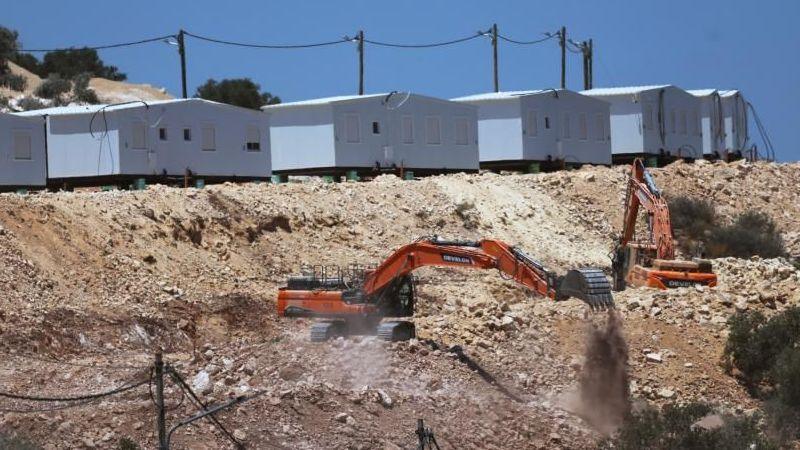
UK’s new restrictions will focus on goods from Israeli settlements – the Foreign Secretary Ed Miliband is set to announce measures that could rack up sanctions on products and services produced in the West Bank’s illegal settlements.
The policy is part of a broader “comprehensive reset” of Britain’s stance on Israel, which the government said was required after Israel opened tenders for 1,200 homes in the E1 area east of Jerusalem – a plan met with widespread international condemnation.
Miliband will detail the sanctions in the House of Commons tomorrow, with expectations that they will cover agricultural goods that cross borders into settlements. The measures will be framed as a broader shift toward supporting a two‑state solution, with the UK warning that Israel’s actions could “imperil” that prospect.
Israeli authorities have threatened retaliation if the sanctions are introduced, while the United States, which is likely to oppose the proposals, has not yet commented. Britain’s Prime Minister Andy Burnham reportedly called the E1 project a red‑line crushing the viability of a Palestinian state, and he has reportedly briefed international leaders about the forthcoming sanctions.
Local analysts say the sanctions amount to a largely symbolic gesture – banning a relatively small volume of goods – but they could signal Britain’s commitment to encroached territorial claims. Sanctions in other regions had previously been limited to cases of violence or security concerns; the UK plans to expand these powers to cover construction and contractor services linked to settlement activity.
The announcement comes a year after the UK’s former leader Keir Starmer’s government formally recognized a state of Palestine, asserting a moral responsibility to push for a peaceful resolution. The Hamas‑led Gaza war has meanwhile escalated violence by settlers against Palestinians, fueling the tensions that Britain’s new policy seeks to address.