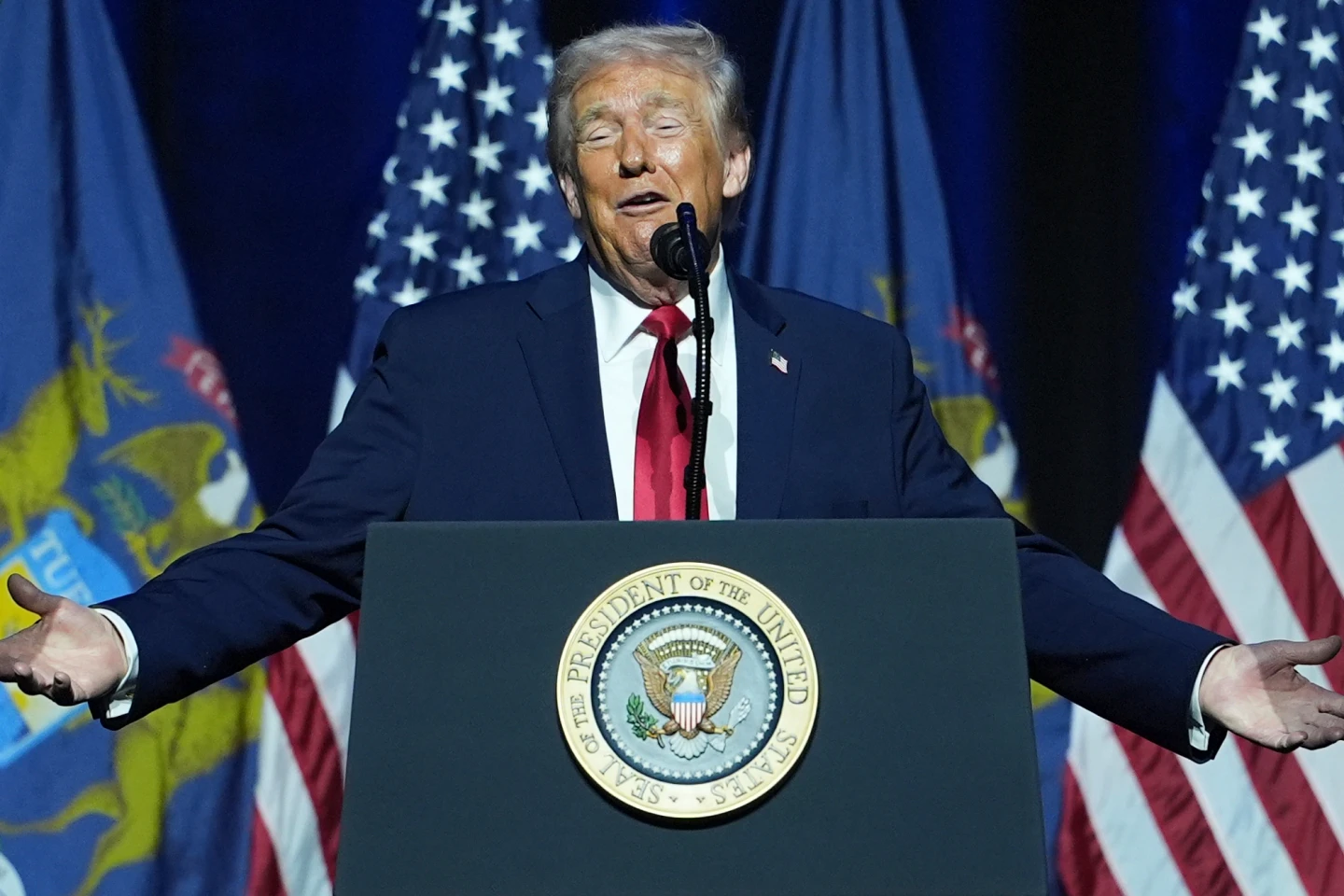
ATLANTA (AP) — President Donald Trump has threatened to invoke the Insurrection Act to send U.S. military forces to Minnesota, amidst escalating tensions related to federal immigration enforcement actions. However, Trump's potential application of this 19th-century law would not only constitute a rare use in modern times but also mark a unique approach among U.S. presidents historically.
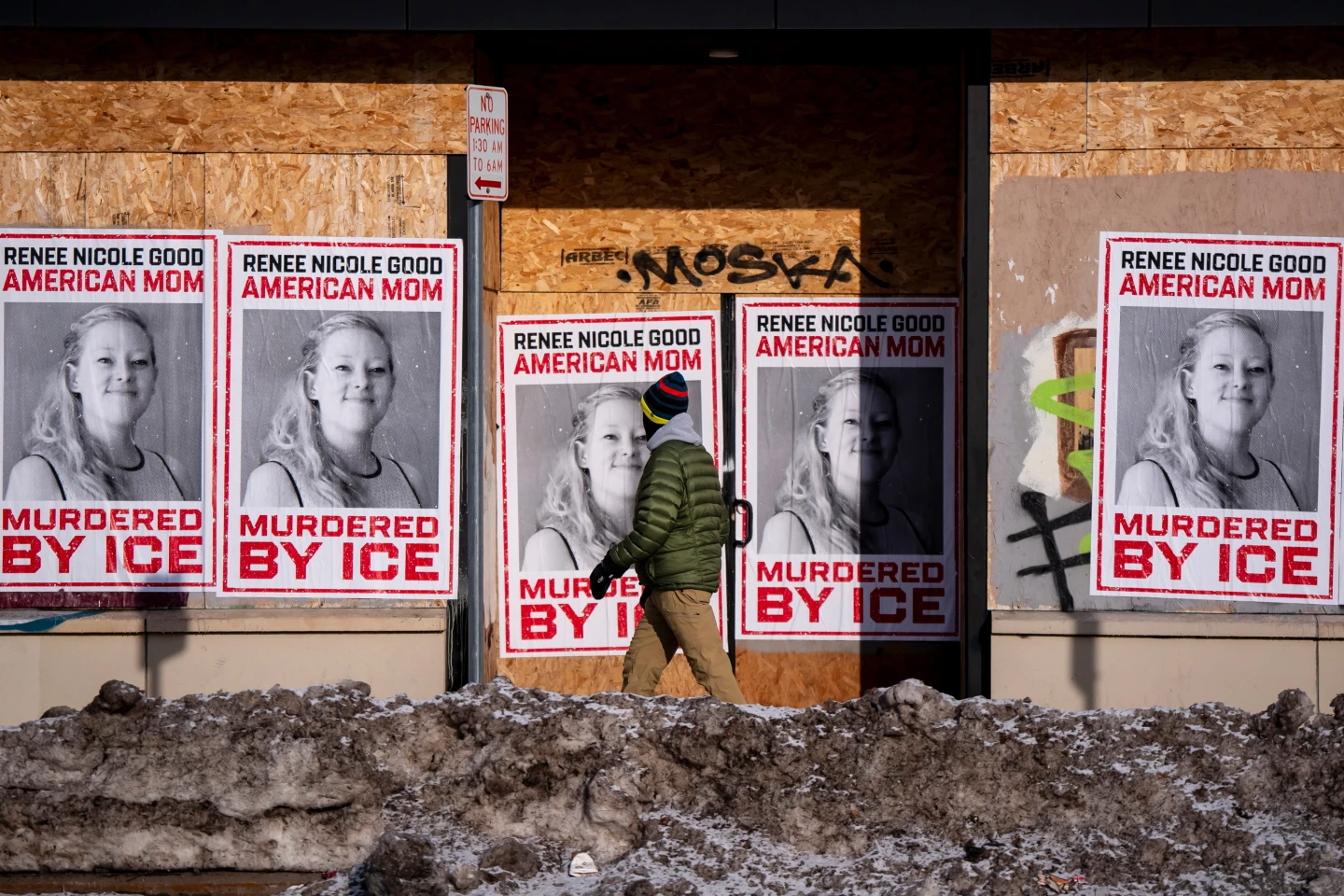
Traditionally, the Insurrection Act allows the president to deploy military forces domestically primarily under conditions of widespread violence, generally responding to local requests for federal assistance. This act has been used over two dozen times since its inception, but rarely in circumstances prompting current outrage, such as federal officers involved in violent encounters with citizens.
Experts in constitutional law have expressed significant skepticism about Trump's claims that conditions warrant the uses of military force under the Insurrection Act in Minneapolis. According to Joseph Nunn of the Brennan Center for Justice, none of the traditional criteria for invoking the act seem to apply in this case.
“This would be a flagrant abuse of the Insurrection Act in a way that we’ve never seen,” said Nunn, emphasizing that none of the established principles for its invocation are satisfied here.
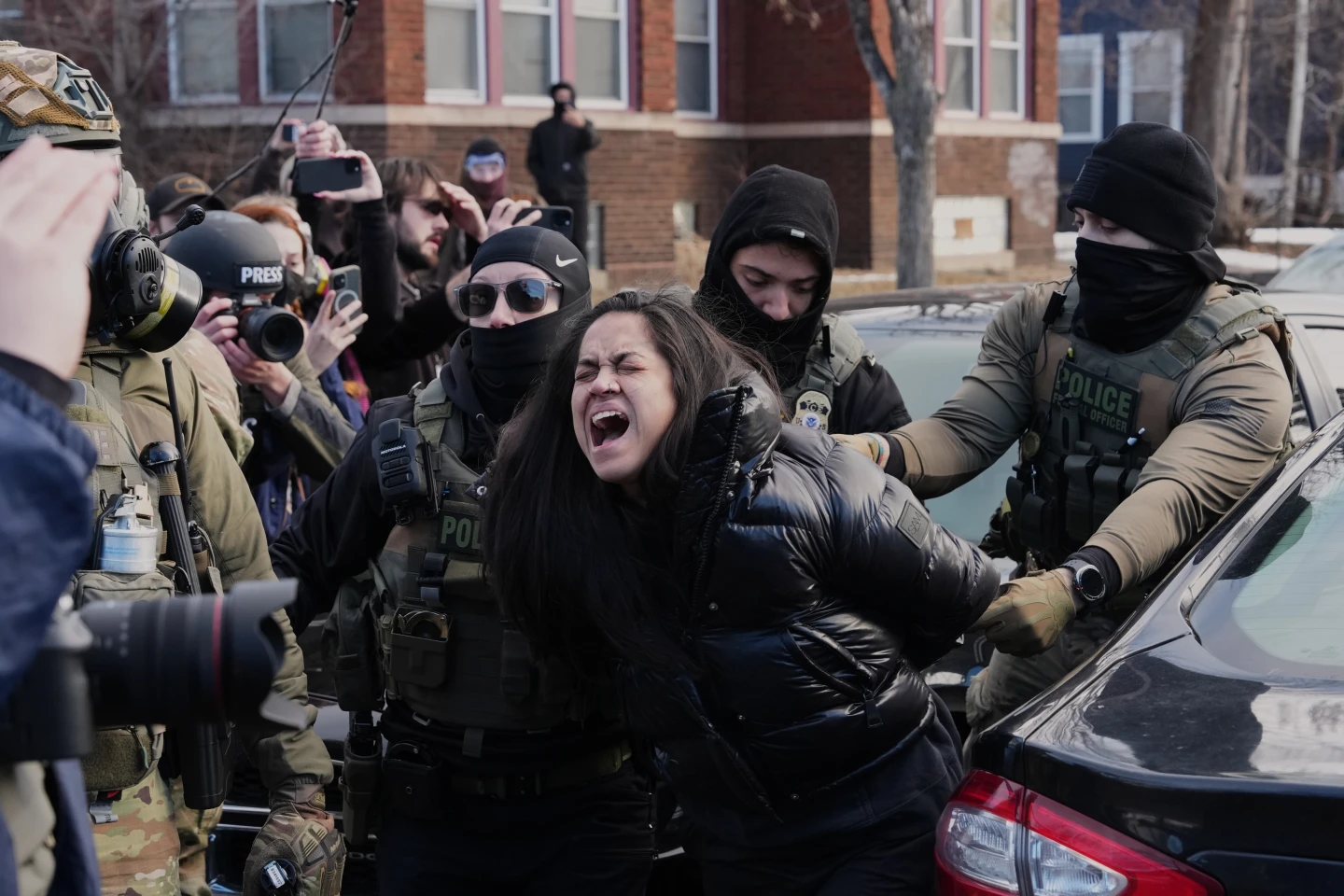
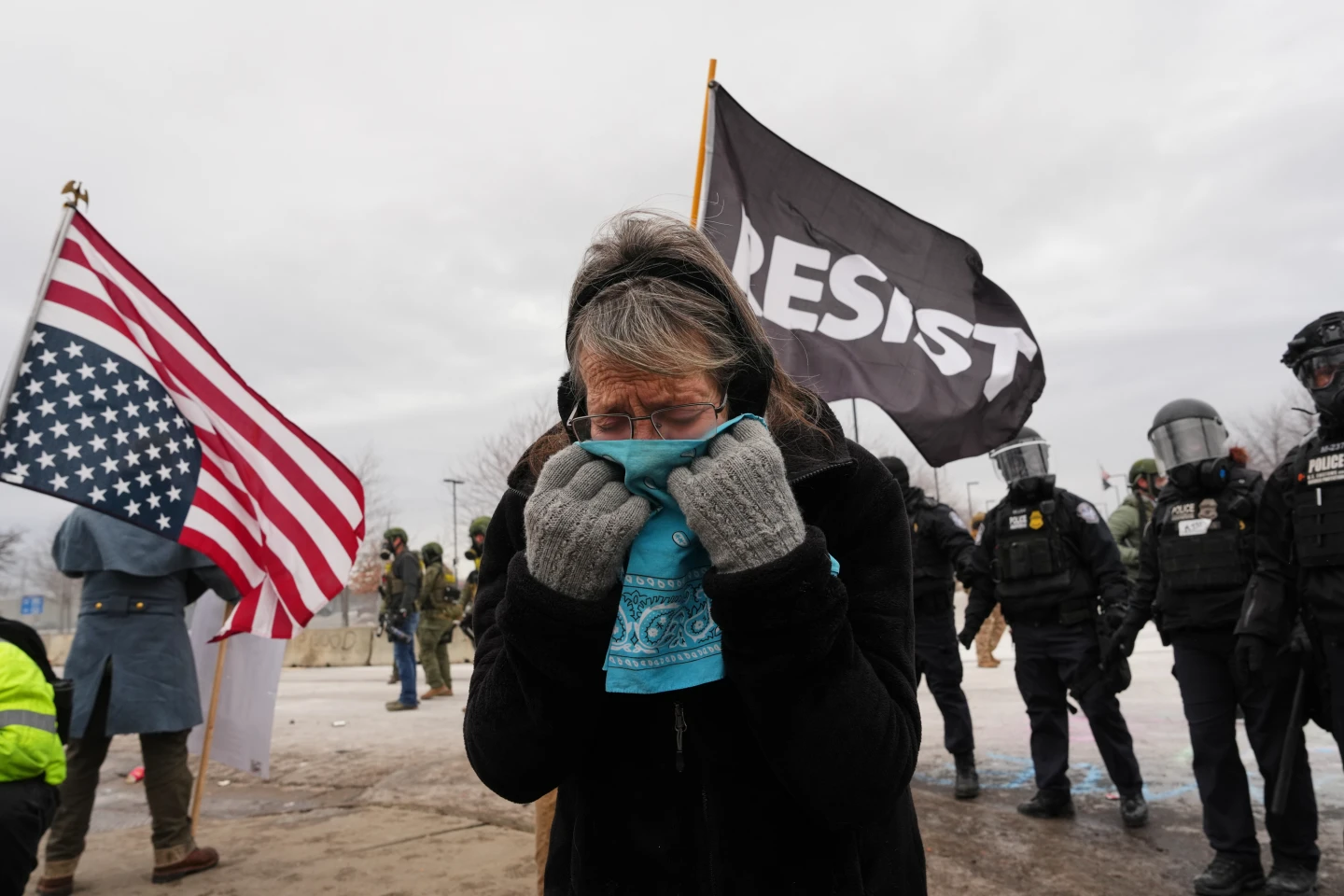
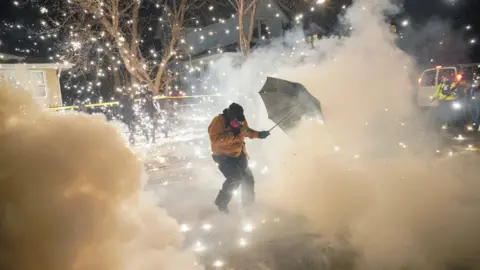
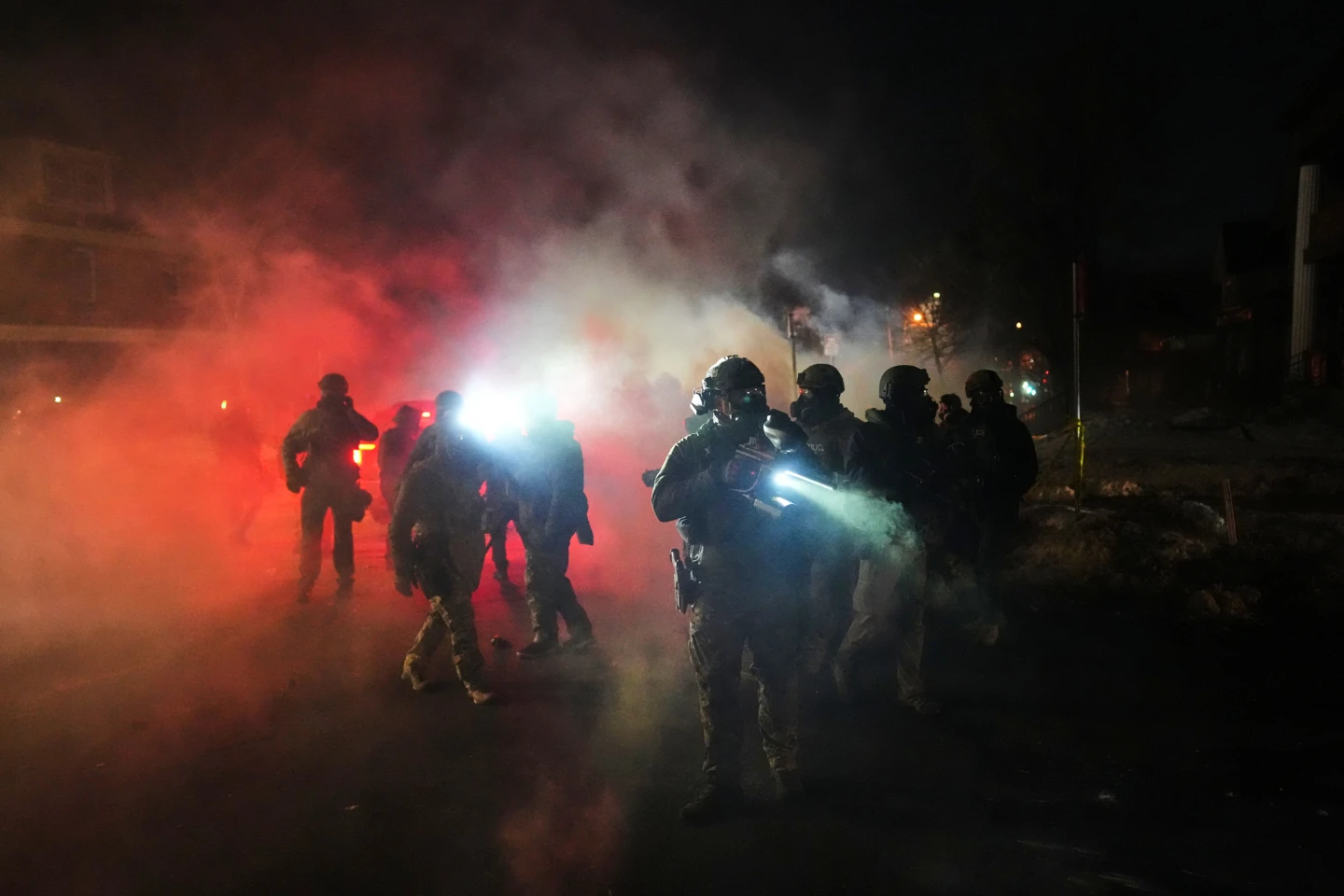
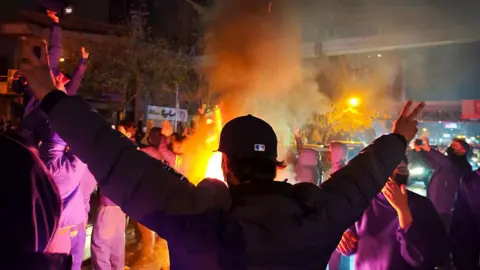
Moreover, while Trump argues that local authorities are unable to maintain order amidst protests against federal policies, the narrative of the situation is complicated by the involvement of the very federal forces he has dispatched — which critics argue are contributing to the violence rather than suppressing it.
A Historical Framework
The Insurrection Act was first signed into law by George Washington in 1792, aiming to manage threats to the fledgling United States under emerging legal codes. Its invocation has historically required local unrest to escalate beyond the capabilities of local or state law enforcement.
While President Trump asserts that the presence of protests constitutes a failure of local governments to uphold federal laws, legal historians contend that the early statutes clearly defined insurrection in a way that might not apply to current events in Minnesota.
As constitutional scholars highlight, the Insurrection Act's historical context reflects a broader reluctance to utilize military intervention in civilian matters. Calls for intervention typically derived from local governments overwhelmed by crises, not from a president who has reinforced tensions with the deployment of federal authorities.
The Future of Federal Intervention
In the face of growing unrest and debate over executive powers, the potential invocation of the Insurrection Act prompts concerns over both the rule of law and federal authority in civilian matters. Legal experts warn about the implications of a president unilaterally tapping into military resources in a situation he helped exacerbate. As the administration weighs its options, many Americans will be watching closely to see how this story unfolds.