In brief
The public disagreement between President Trump and Pope Leo XIV has sparked backlash not only from Catholic leaders but also from conservative allies of Trump. As Trump's criticisms escalate, particularly against the Pope's stance on the Iran conflict, long-time supporters express concern over his characterizations and the implications for Catholic voters. This situation reflects deeper divisions and a surprising alignment among Catholics across the political spectrum against the backdrop of moral and social justice issues.
The ongoing rift between President Trump and Pope Leo XIV is capturing public attention and prompting backlash among conservative Catholics. Traditionally, Trump has received staunch support from this demographic. However, recent attacks against the Pope and the sharing of a controversial AI-generated image depicting Trump as a Christ-like figure have led to growing discontent not just from the Church hierarchy but also from right-leaning supporters.
With Trump's hardline immigration policies already creating tension with Catholic leaders, the latest developments signal a significant erosion of support. Loyal conservative allies express their discomfort over Trump's remarks and the implications they have on moral standing, particularly in light of the ongoing instability in Iran.
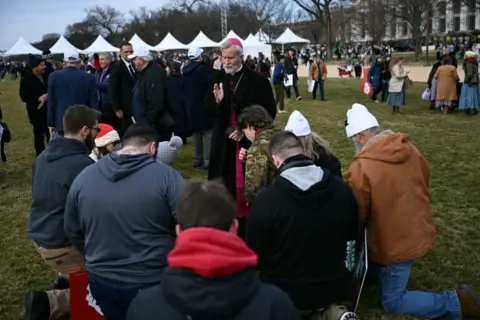
Bishop Joseph Strickland, once a vocal Trump supporter, echoes the sentiments of many Catholics by stressing the importance of recognizing Christ's ultimate authority over political leaders. The shift in opinions among conservative Catholics could threaten Trump's political capital, as a united front across political lines emerges against the backdrop of the Iran war.
Polling data indicates a complex reality in the Catholic community, revealing pronounced splits in political allegiance based on racial background. As issues like abortion and immigration continue to polarize beliefs, Trump's attacks on the Pope may jeopardize his tenuous support among Catholic voters. In this evolving landscape, the Pope remains a pivotal figure around whom new narratives are forming, challenging the political status quo within the Church.
The Vatican emphasizes that these controversies expose underlying moral dilemmas in warfare, and the Pope's anti-war stance resonates with both liberal and conservative Catholics who are wary of Trump's rhetoric. As discontent grows, Trump's understanding of the Catholic faith and its relationship to national leadership will be put to the test.