In brief
The arrests of French reporters Gaël Mocaër and Sebastian Perez Pezzani in July 2026 drew criticism from press freedom advocates, who argue that the charges of false declarations are unfounded. The pair were working for France Télévisions on a documentary in Kara, northern Togo, when authorities claimed they had falsified paperwork, despite the reporters holding valid work visas and licences. Reporters Without Borders has warned that the detention may be a bargaining tool while the Togo government faces mounting pressure over its limited press freedom record. The situation has also highlighted tensions between Togo and France amid talk of potential leverage in an ongoing diplomatic friction. Dignity demands a swift resolution, according to the reporters’ families and human‑rights organisations.
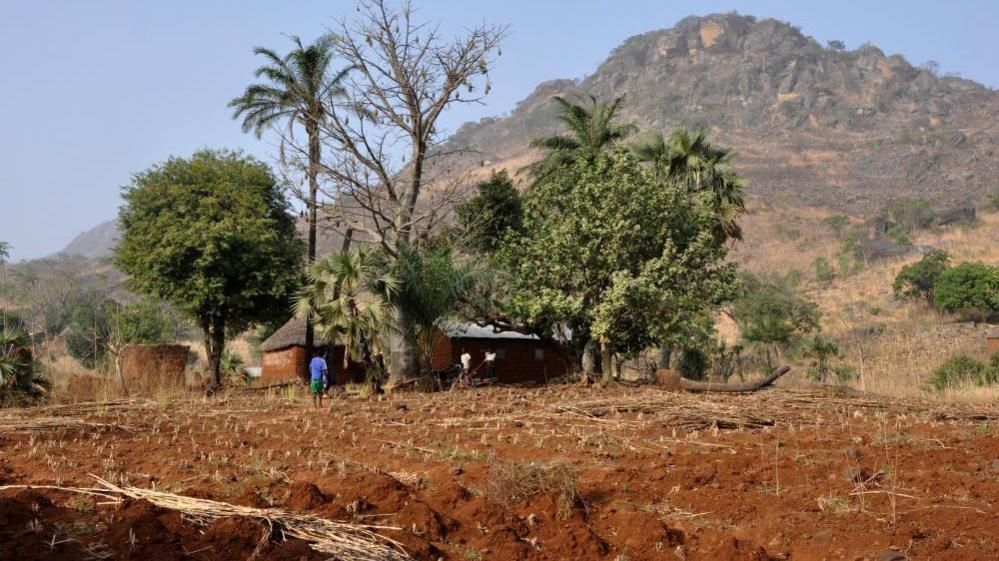
On 27 July, French documentary filmmakers Gaël Mocaër and Sebastian Perez Pezzani were seized by authorities in Kara, a town in northern Togo, while filming a project for France Télévisions. According to the French foreign ministry, both men are now charged with false declarations, a claim that Reporters Without Borders (RSF) disputes, noting they possessed valid work visas and permission to film.
RSF added that the detained journalists are held in pre‑trial custody at a law‑enforcement facility near Lomé, Togo’s capital, and that Pezzani requires immediate medical care. The pair’s Togo fixer, Fred Vedomey, is also in detention.
The case has amplified concerns over press freedom in Togo, a country ranked 97th among 180 nations on RSF’s press freedom index. Togo has previous history of detaining foreign journalists; for example, a French broadcaster was suspended in 2025 for alleged misinformation during anti‑government protests.
RSF’s director general, Thibaut Bruttin, condemned the proceedings as “unjustified and disproportionate” and urged authorities to release the journalists without delay. The families of Mocaër and Pezzani have likewise called for a swift resolution, stating the uncertainty weighs daily on them.
Some local reports suggest the arrests might be linked to a Togo‑based investigative journalist in exile in France, possibly used as a bargaining chip in diplomatic negotiations between the two countries. However, neither Togo nor France has confirmed this theory.
The broader context includes Togo’s pattern of restricting freedom of expression and France’s increasing involvement in sub‑Saharan Africa. Togo’s press laws have faced criticism for restricting investigative work and dissenting commentary. As international watchdogs survey the situation, the affected journalists remain in pre‑trial detention, underscoring the fragility of media rights in the region.