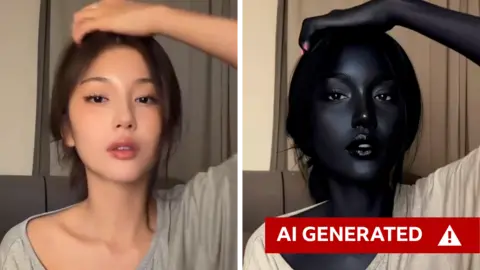
TikTok has banned 20 accounts after the BBC highlighted the use of AI-generated black female influencers to drive users to sites promoting sexually explicit content.
These accounts are part of a growing trend on social media that has been criticized as racist, exploitative, and misleading due to the racial stereotypes and language employed.
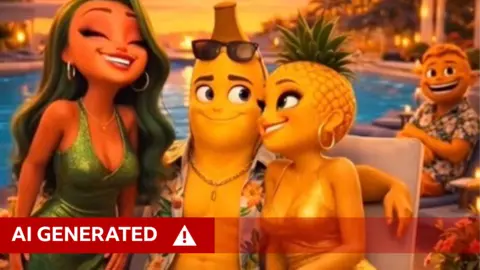
The BBC and researchers from Riddance identified numerous accounts on Instagram and TikTok featuring hyper-sexualized black digital avatars. Notably, the images generated were not labeled as AI content, which is a clear breach of platform guidelines.
The majority of the flagged accounts were on Instagram, with a significant portion having TikTok versions as well. Meta, the parent company of Instagram, is currently conducting an investigation following these discoveries.
Content featuring these avatars often includes skimpy clothing and exaggerated body shapes, depicting artificial skin tones that diverge from natural appearances.
Many account names use terms such as 'black', 'noir', 'dark', and 'ebony', while employing language that objectifies their subjects. An investigation found 60 accounts linking to explicit content, but many others appear without such references.
A particular concern was raised regarding accounts that misappropriated videos from actual individuals, such as model Riya Ulan, who discovered her content was being manipulated to represent an AI-generated character. I was angry, Ulan remarked, questioning the ethics behind such practices.
Critics have expressed that these digital avatars perpetuate harmful racial stereotypes, forcing black women into unrealistic depictions. The defenders of this trend, however, tend to deny the involvement of AI in their presentations.
Digital manipulation of racial representation within these social media platforms underscores the urgent need for clear and ethical guidelines to safeguard authentic representation and prevent exploitation. Moreover, TikTok reaffirmed its strict policy against AI-generated content that breaches user rights, prompting an audit of flagged accounts.
As platforms reassess their policies, the debate surrounding digital ethics, racial stereotypes, and the impacts of AI-generated content continues to escalate.