In brief
A Thai military court sentenced two men, both identified as Uyghurs, to death for orchestrating Thailand’s worst terrorist attack. The bomb, detonated on August 17 2015 beside the Erawan shrine, killed 20 people and left more than 120 injured. The investigation and trial have been criticized for procedural flaws and alleged human‑rights violations, leading to a pending appeal.
Thai court sentences two men to death for Bangkok shrine bombing
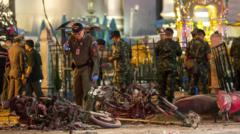
A Thai military court today handed down death sentences against Bilal Mohammad and Yusufu Mierali, both cast as members of the Uyghur minority, for the 2015 bombing that killed 20 people and wounded more than 120 near Bangkok’s popular Erawan shrine.
The bomb was set at a foot of the shrine’s central altar, jolting unsuspecting worshippers and motorists. The blast ripped through a crater that was hastily sealed by the authorities two days later, a move criticised by civil‑society groups for compromising forensic evidence.
Investigators reported that security cameras were largely offline; only a grainy clip showed a man with long hair and thick glasses leaving a backpack near a bench. By the time the police had closed on the two main suspects, all other 13 named individuals had already dispersed from Thailand.
Bilal Mohammad was apprehended in Bangkok, where police found bomb‑making chemicals and a forged Turkish passport under the name Adem Karadag. Yusufu Mierali was retrieved from Cambodia and extradited to Thailand. Both men were initially denied the role of the bomb deployer, a claim later reversed when Mohammad was charged with the crime.
During the decade‑long proceedings, the defendants endured allegations of torture and coerced confessions, withdrawal of testimony when the case moved to a military court, and repeated delays citing the lack of a Uyghur‑speaking interpreter. The trial’s lengthy detention has drawn criticism from the International Commission of Jurists and other human rights organisations.
The judges upheld the conviction citing phone‑call evidence that placed both suspects near the blast site at the time of detonation. The defendants have announced that they will appeal the verdict.