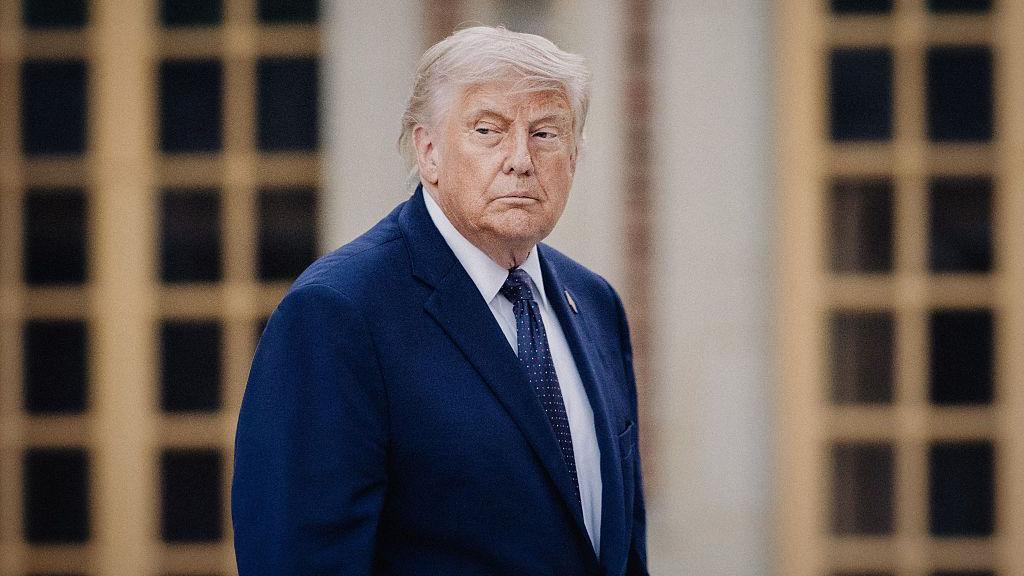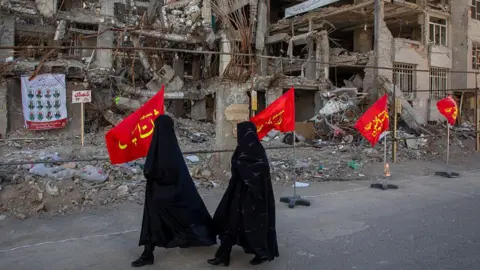
US President Donald Trump has set deadlines, made demands, and issued threats regarding the ongoing US-Israeli war against Iran. As tensions escalate, a new round of strikes against Iran is set to commence at 20:00 Washington DC time on Tuesday. Within four hours, targets such as bridges and power plants are expected to face heavy bombardment.
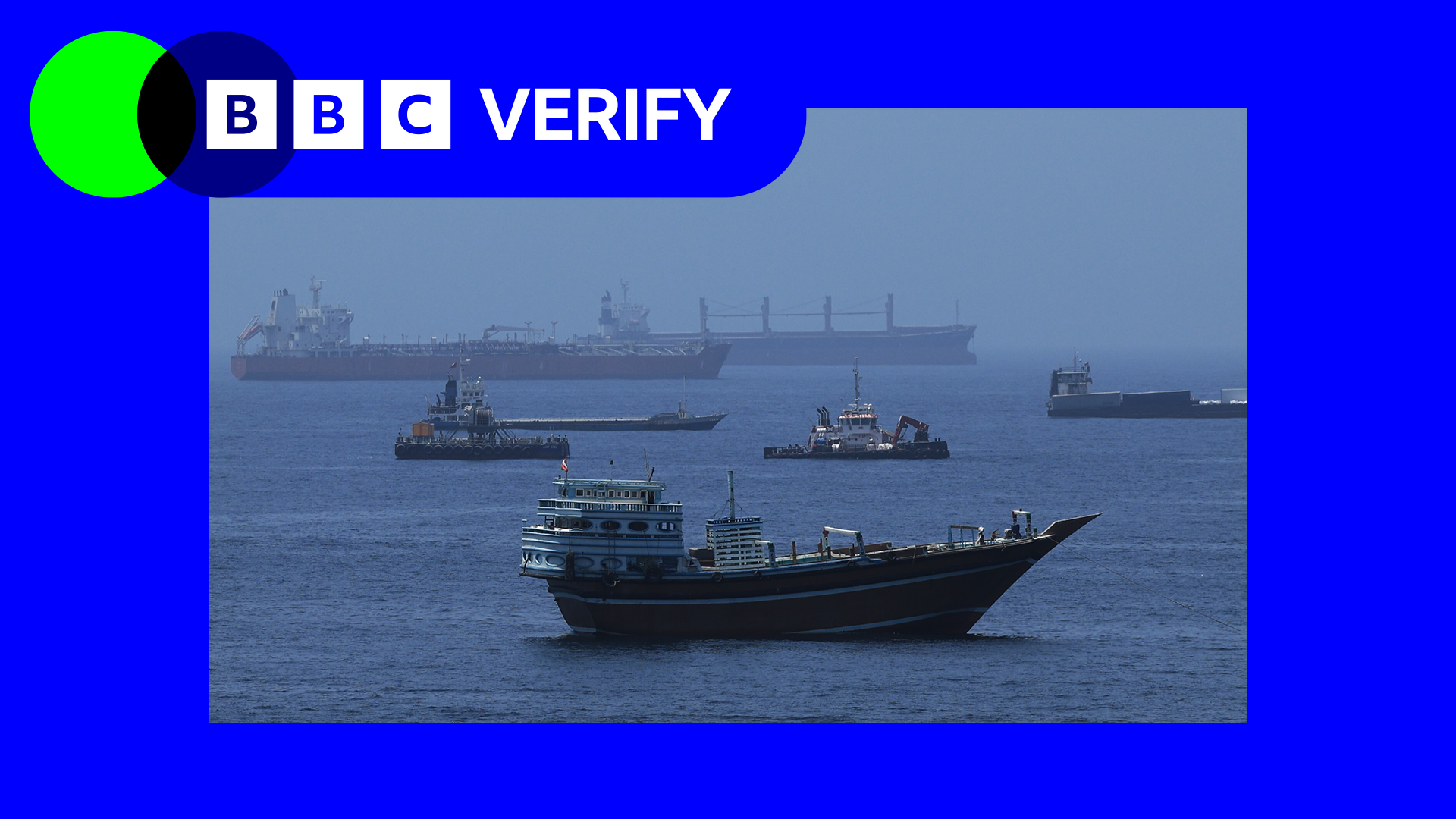
Trump warned that very little is off-limits, urging Iran to consider a deal that includes the unrestricted flow of oil through the Strait of Hormuz. However, as the deadline draws near, Iran has rejected any temporary ceasefire, declaring their own needs in return, which have been deemed maximalist by US officials.
This predicament places Trump in a tight corner; bending to this ultimatum without consequences risks undermining his credibility, especially after making such bold promises.
Despite the distinct possibility of military action, Trump continues to express hope for successful negotiations, claiming that Iran is an active, willing participant in the dialogue, although details remain cryptic.
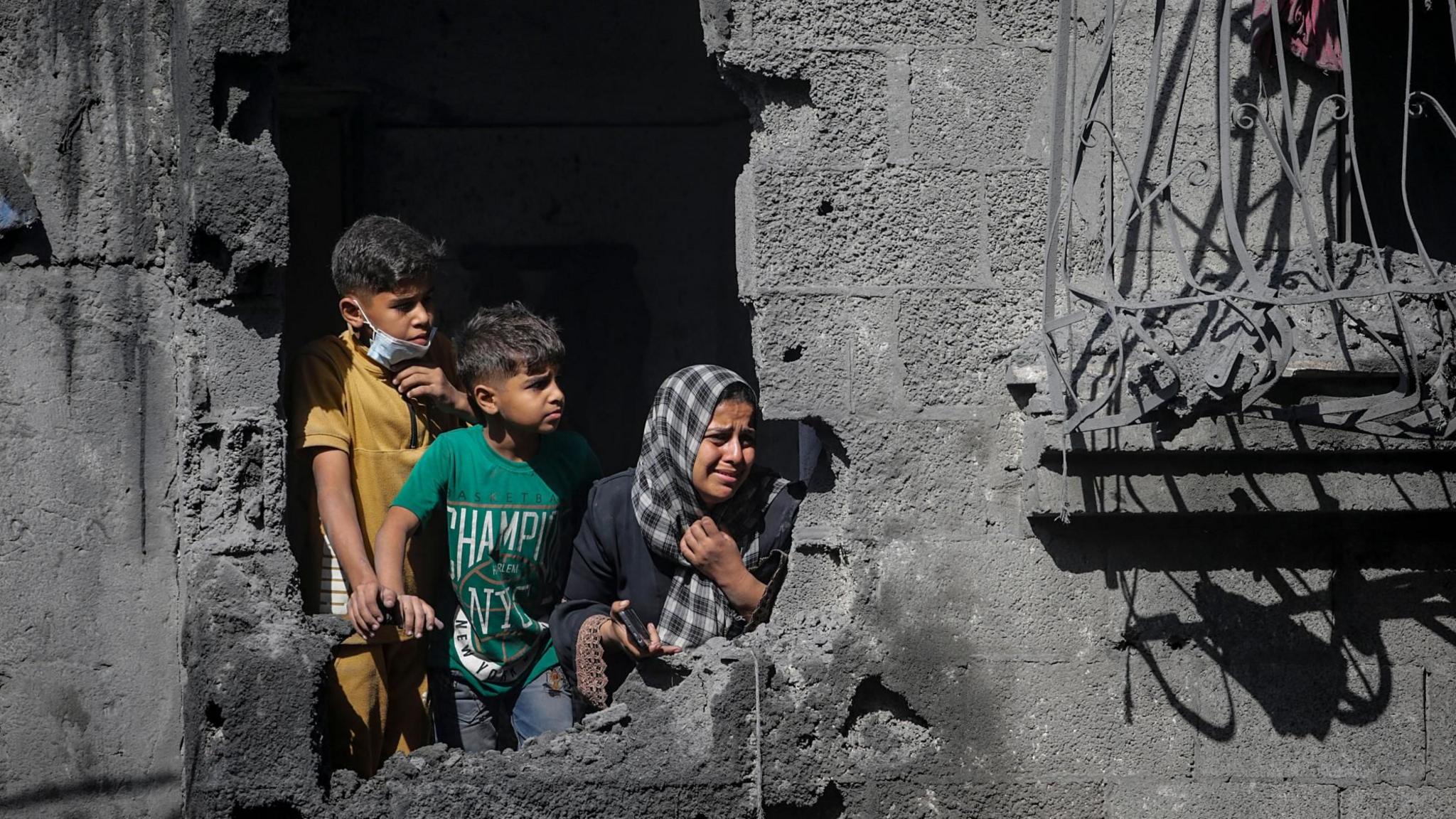
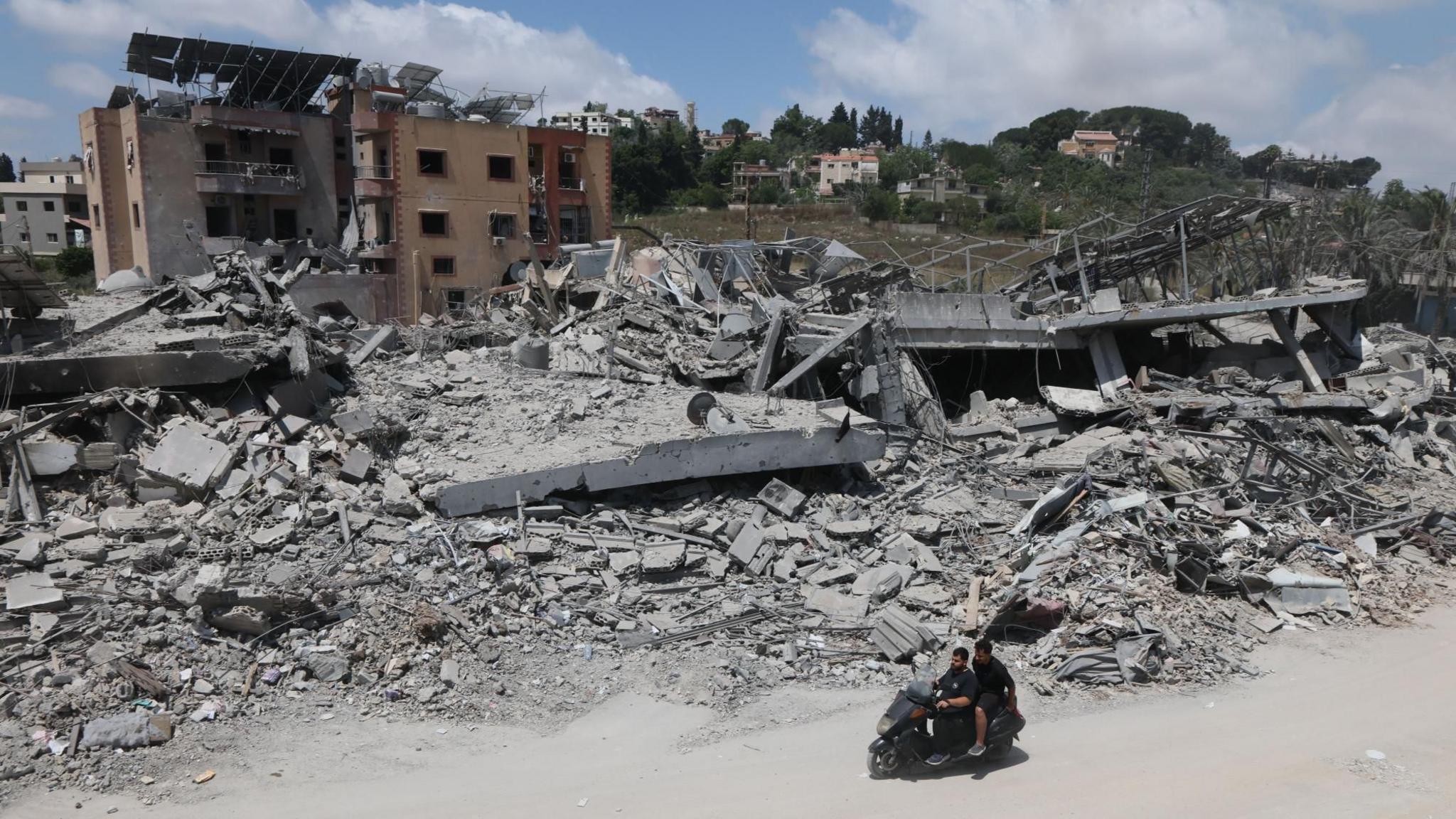
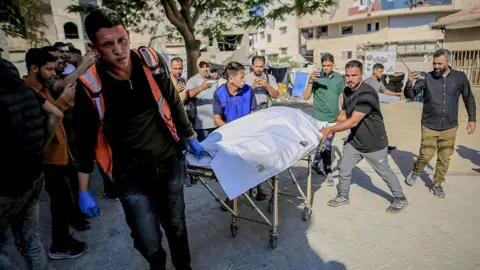
As the situation unfolds, the prospect of a humanitarian crisis looms large, alongside the risks associated with military escalation. Trump's insistence on a robust military strategy clashes with the potential for severe regional fallout in the event of a conflict.
In a delicate balancing act, Trump may need to weigh the implications of military threats against the realities of negotiation fatigue on both sides. Will the negotiations yield fruit before the bombers take to the skies, or will the region be plunged into further chaos?
Trump warned that very little is off-limits, urging Iran to consider a deal that includes the unrestricted flow of oil through the Strait of Hormuz. However, as the deadline draws near, Iran has rejected any temporary ceasefire, declaring their own needs in return, which have been deemed maximalist by US officials.
This predicament places Trump in a tight corner; bending to this ultimatum without consequences risks undermining his credibility, especially after making such bold promises.
Despite the distinct possibility of military action, Trump continues to express hope for successful negotiations, claiming that Iran is an active, willing participant in the dialogue, although details remain cryptic.
As the situation unfolds, the prospect of a humanitarian crisis looms large, alongside the risks associated with military escalation. Trump's insistence on a robust military strategy clashes with the potential for severe regional fallout in the event of a conflict.
In a delicate balancing act, Trump may need to weigh the implications of military threats against the realities of negotiation fatigue on both sides. Will the negotiations yield fruit before the bombers take to the skies, or will the region be plunged into further chaos?