When Brown University junior Mia Tretta’s phone buzzed with an emergency alert during finals week, she hoped it wouldn't be happening again.
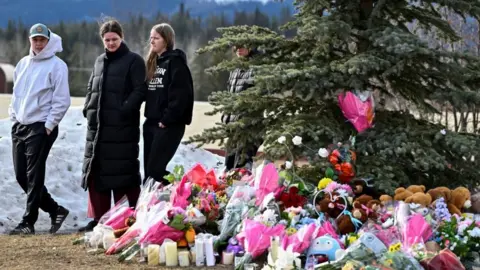
In 2019, Tretta had endured a mass shooting at Saugus High School in Santa Clarita, California, where two students were killed, and she was wounded along with others. She was just 15.
On the recent Saturday, Tretta was studying in her dorm when the first alert warned of an emergency at the engineering building. She feared the worst. As more alerts urged a lockdown, the grim reality set in: by day's end, two people were confirmed dead, and nine injured from the shooting at Brown.
“No one should ever have to go through one shooting, let alone two,” Tretta expressed in a phone interview, reflecting on her trauma. “As someone shot in high school, I never thought this would happen again.”
Survivors like Tretta exemplify a harrowing reality for today’s college students, many of whom grew up practicing lockdown drills and are now facing similar violence while seeking refuge on campuses.
Tretta's reflections echo the sentiments of many, including another Brown student, who faced similar threats during previous tragedies.
Louisville, Kentucky, Mayor Craig Greenberg's son, a junior at Brown, was also able to barricade himself during the lockdown, showcasing the contemporary threat students face in their once-safe spaces.
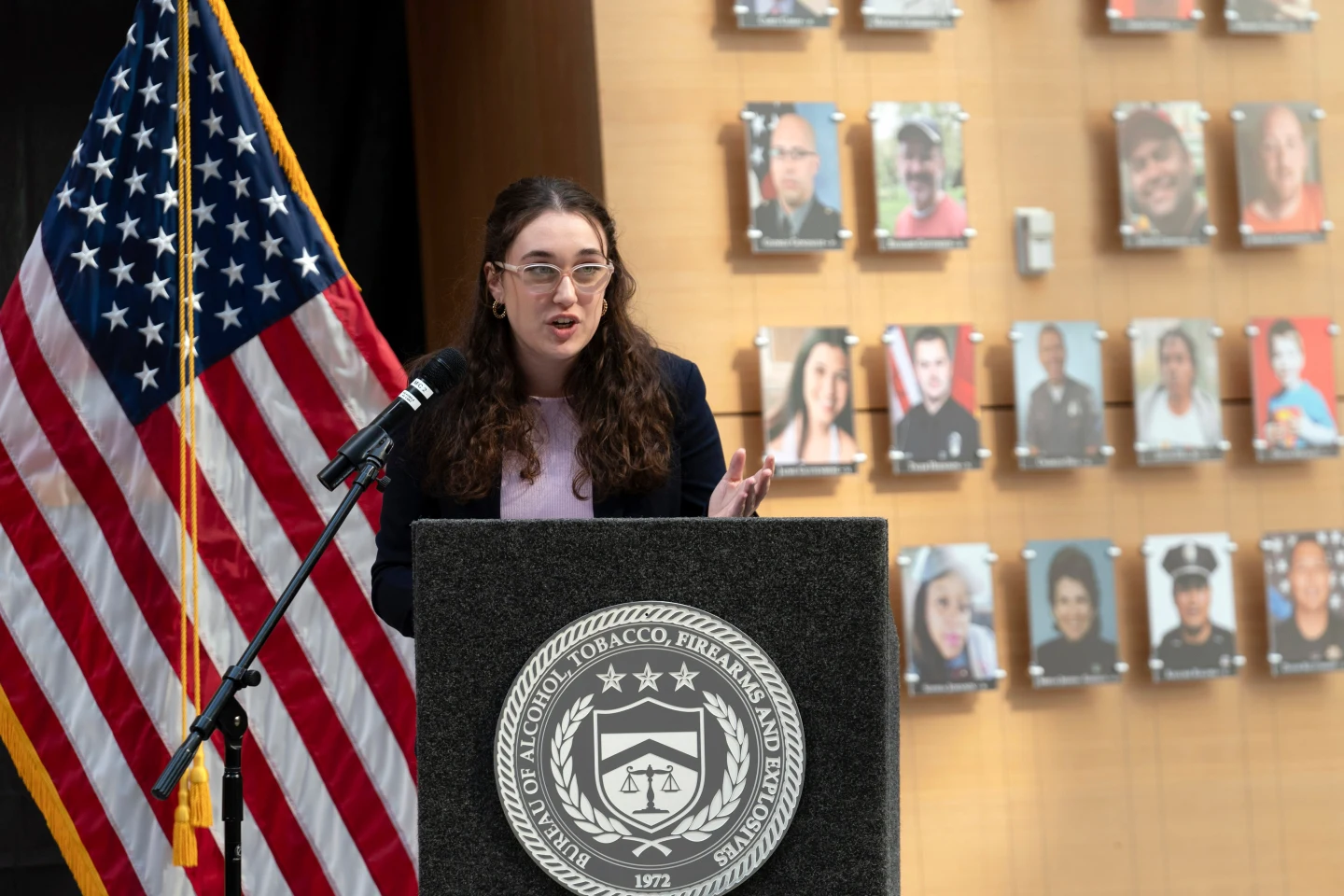
Following the shooting in high school, Tretta became an advocate for stricter gun regulations, underscoring her commitment to addressing issues of gun violence, particularly concerning easily assembled "ghost guns."
As she prepares a paper on student experiences post-shooting, Tretta reflects on her turmoil: “I chose Brown, a place I love, thinking it would finally be safe, only to face this reality of violence again. It didn’t have to happen.”