As he left the chambers of the U.S. Supreme Court, where justices heard arguments over whether to prevent states from counting mail ballots that arrive after Election Day, Nevada Secretary of State Cisco Aguilar texted his staff 3,000 miles away with a clear directive: plan how to conduct November's midterm elections if the high court changes the rules in its upcoming decision this June. 'The challenge is educating voters shortly before the election about how the election will work,' Aguilar noted.
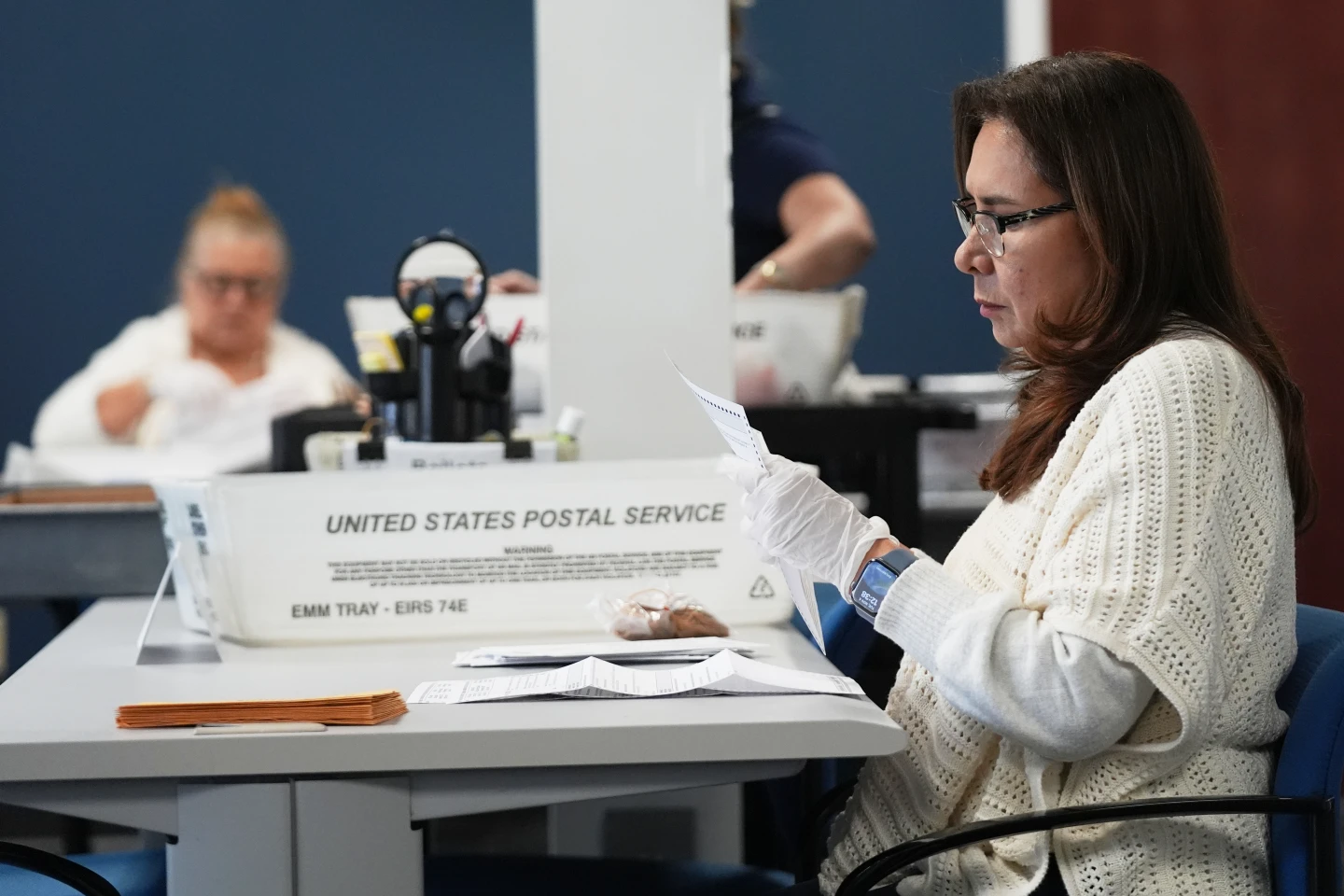
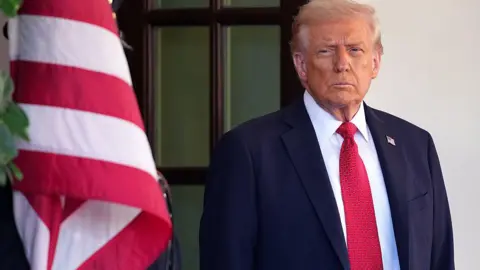
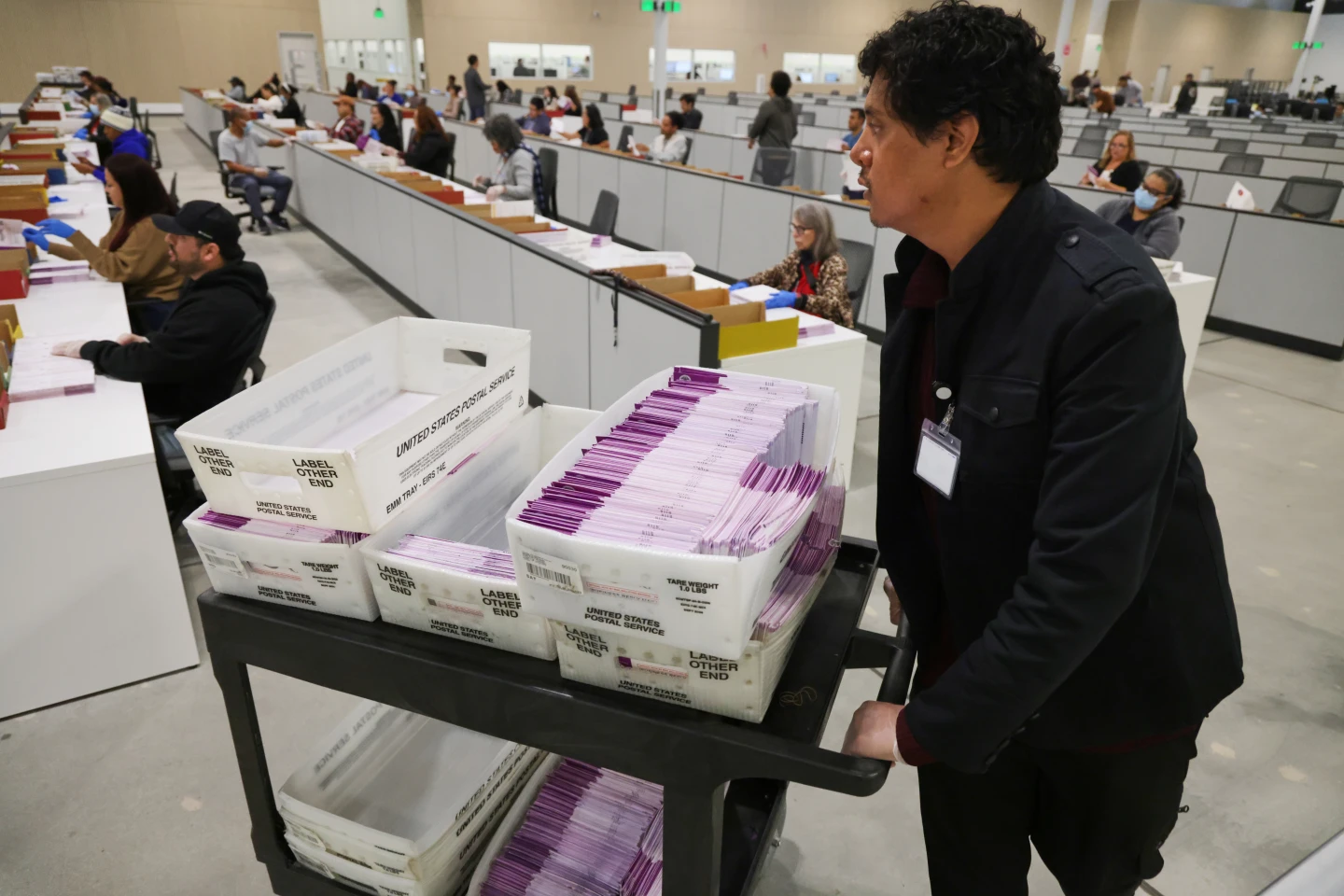
Election officials in Nevada and 13 other states that allow mail ballots to be counted if sent by Election Day but arriving later are closely monitoring the court’s proceedings, with conservative justices appearing skeptical of existing "grace periods". Mail ballots, often called absentee ballots, have previously been at the center of election disputes, particularly driven by past statements from former President Donald Trump.
The Republican National Committee and Libertarian Party are contesting Mississippi’s law, which permits counting mail ballots postmarked by Election Day that arrive within five days. The implications of a Supreme Court ruling could be profound for how states manage their elections.
During the hearing, Justice Brett Kavanaugh questioned whether a ruling in June could avoid disrupting upcoming elections, but election officials stressed that they operate on fixed timelines, having already printed promotional and informational materials for the elections. 'Nobody has budgeted to reprint all of their educational material for the midterms,' lamented Tammy Patrick, a former Arizona election official.
In Nevada, about 98% of mail ballots arrive before Election Day, and while the majority of late arrivals can be counted, the messaging surrounding these changes would be crucial in ensuring voter participation. Officials warn that changes made at the eleventh hour could confuse voters, potentially leading to disenfranchisement, especially in rural areas with slower mail delivery. As the court weighs its decision, election officials are left grappling with the uncertainty of how to best inform voters in light of potentially abrupt changes to voting procedures.
Election officials in Nevada and 13 other states that allow mail ballots to be counted if sent by Election Day but arriving later are closely monitoring the court’s proceedings, with conservative justices appearing skeptical of existing "grace periods". Mail ballots, often called absentee ballots, have previously been at the center of election disputes, particularly driven by past statements from former President Donald Trump.
The Republican National Committee and Libertarian Party are contesting Mississippi’s law, which permits counting mail ballots postmarked by Election Day that arrive within five days. The implications of a Supreme Court ruling could be profound for how states manage their elections.
During the hearing, Justice Brett Kavanaugh questioned whether a ruling in June could avoid disrupting upcoming elections, but election officials stressed that they operate on fixed timelines, having already printed promotional and informational materials for the elections. 'Nobody has budgeted to reprint all of their educational material for the midterms,' lamented Tammy Patrick, a former Arizona election official.
In Nevada, about 98% of mail ballots arrive before Election Day, and while the majority of late arrivals can be counted, the messaging surrounding these changes would be crucial in ensuring voter participation. Officials warn that changes made at the eleventh hour could confuse voters, potentially leading to disenfranchisement, especially in rural areas with slower mail delivery. As the court weighs its decision, election officials are left grappling with the uncertainty of how to best inform voters in light of potentially abrupt changes to voting procedures.