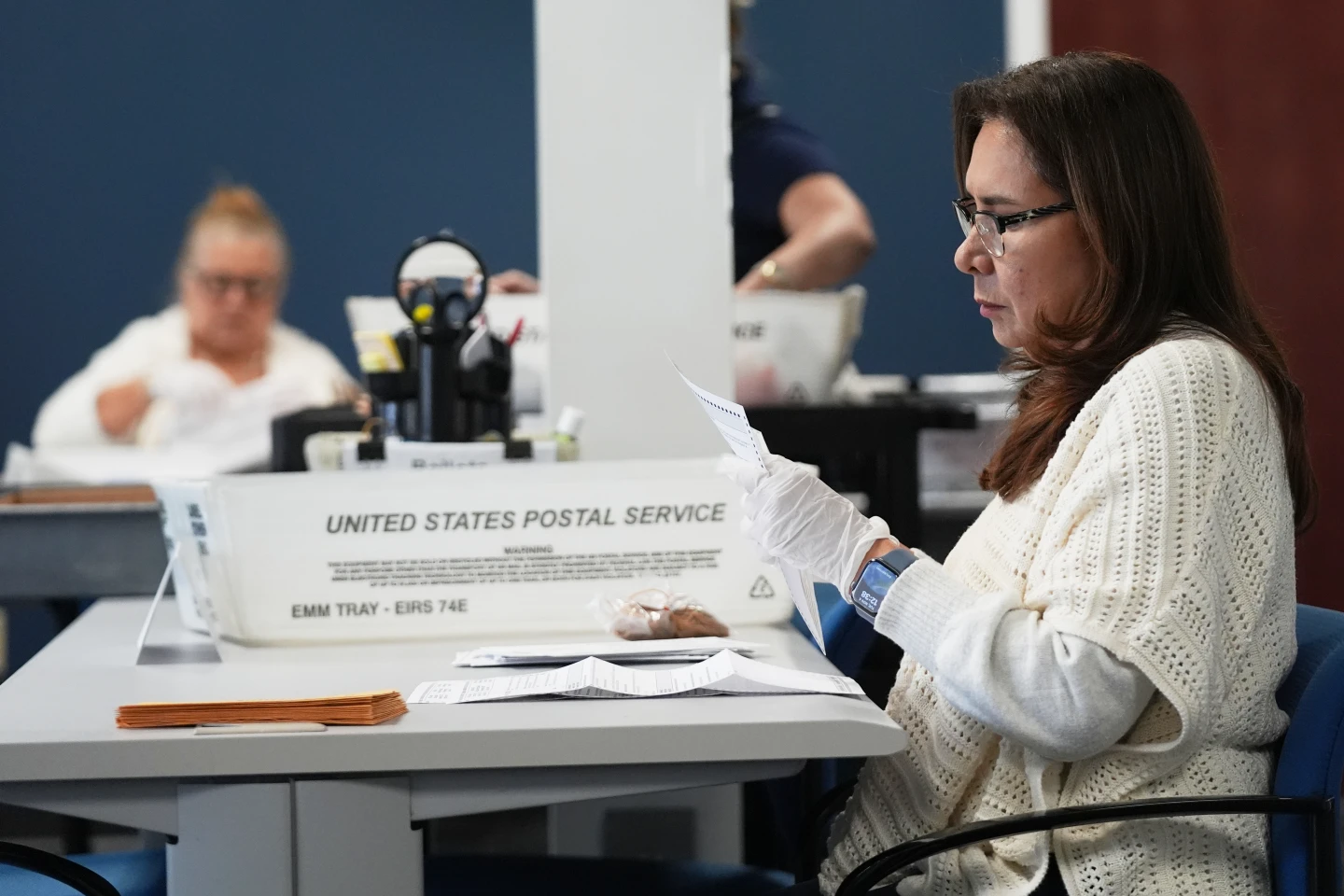
The Supreme Court's conservative majority sounds skeptical of state laws that allow the counting of late-arriving mail ballots, a persistent target of President Donald Trump. The court was hearing arguments Monday in a case from Mississippi that also could affect voters in 13 other states and the District of Columbia, which have grace periods for mail ballots. An additional 15 states that have more forgiving deadlines for military and overseas voters could also be impacted. A ruling is expected by late June, with a significant influence on the counting of ballots in the 2026 midterm congressional elections.
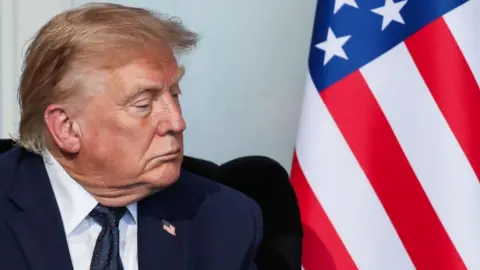
This court challenge is part of Trump's broader attack on mail balloting, which he claims fosters electoral fraud despite strong counter-evidence and years of reliable practices in several states. Some conservative justices echoed Trump's complaints. Justice Samuel Alito raised concerns about the perception of fraud when a large number of late ballots could change the election results drastically.
Defending Mississippi's law, Solicitor General Scott Stewart highlighted that the Trump administration has yet to cite any instances of fraud tied to late mail ballots. The liberal justices, however, signaled their support for maintaining state laws with post-Election Day deadlines for ballot counting. Justice Sonia Sotomayor emphasized that decisions regarding these processes should be made by Congress and the states, not courts, suggesting that forcing abrupt changes could lead to confusion and disenfranchisement among voters who have relied on these grace periods. Significant states like California, Texas, and New York have post-Election Day deadlines, as do various regions in Alaska.
Lawyers representing the Republican and Libertarian parties are advocating for the justices to uphold a ruling that struck down the Mississippi law, which allows ballots arriving within five business days after the election to be counted if stamped by Election Day. The case raises essential questions about federal law concerning Election Day and the necessitation for ballots to be both cast and received by that date.
The outcome may set a precedent affecting the voting landscape ahead of the next midterms, raising concerns about actions taken by various states under the influence of the Trump administration aimed at limiting mail-in voting.
This court challenge is part of Trump's broader attack on mail balloting, which he claims fosters electoral fraud despite strong counter-evidence and years of reliable practices in several states. Some conservative justices echoed Trump's complaints. Justice Samuel Alito raised concerns about the perception of fraud when a large number of late ballots could change the election results drastically.
Defending Mississippi's law, Solicitor General Scott Stewart highlighted that the Trump administration has yet to cite any instances of fraud tied to late mail ballots. The liberal justices, however, signaled their support for maintaining state laws with post-Election Day deadlines for ballot counting. Justice Sonia Sotomayor emphasized that decisions regarding these processes should be made by Congress and the states, not courts, suggesting that forcing abrupt changes could lead to confusion and disenfranchisement among voters who have relied on these grace periods. Significant states like California, Texas, and New York have post-Election Day deadlines, as do various regions in Alaska.
Lawyers representing the Republican and Libertarian parties are advocating for the justices to uphold a ruling that struck down the Mississippi law, which allows ballots arriving within five business days after the election to be counted if stamped by Election Day. The case raises essential questions about federal law concerning Election Day and the necessitation for ballots to be both cast and received by that date.
The outcome may set a precedent affecting the voting landscape ahead of the next midterms, raising concerns about actions taken by various states under the influence of the Trump administration aimed at limiting mail-in voting.