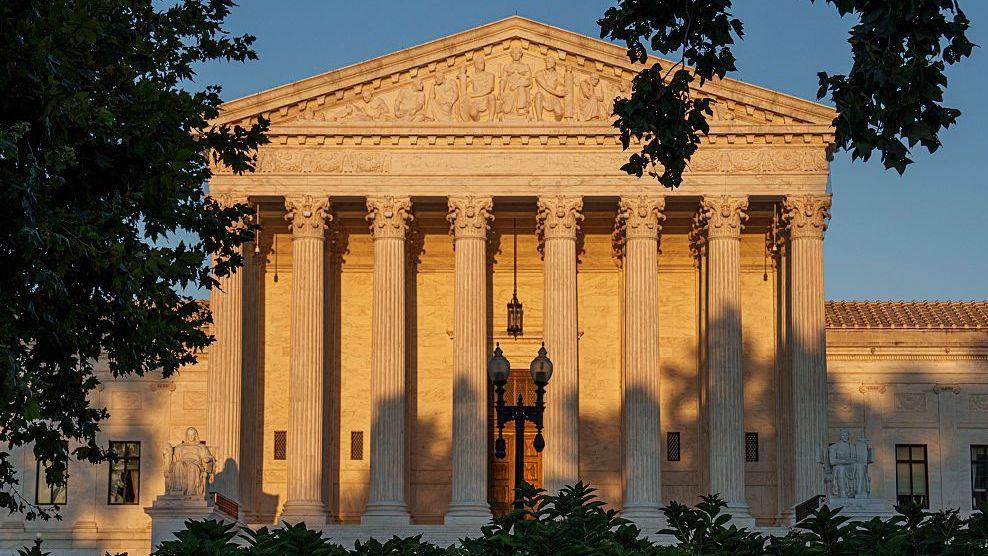
The Supreme Court has overturned a federal ban on a controversial voter‑verification database used by the Trump administration.
The system, known as Systematic Alien Verification for Entitlements (SAVE), draws from Social Security data to flag voters who may not be citizens. While intended to keep non‑citizens off ballots, the database has been linked to mistakes that risk disenfranchising U.S. citizens.
In June, a federal judge ruled the expanded use of SAVE illegal, citing privacy violations. The Court now allows states to use the database for individual checks but not mass purges shortly before an election. The decision is limited in effect until the 2026 midterms, according to the majority opinion.
Three liberal justices, including Ketanji Brown Jackson, dissented, arguing that the potential harm to lawful voters outweighs any benefit from curbing alleged foreign influence.
Voter‑rights groups, such as the League of Women Voters, decry the ruling as “profoundly disappointing” and warn it could lead to millions of voters being wrongfully targeted.
Supporters of the program point to states like Georgia, where officials interview flagged voters to verify citizenship. They assert guardrails exist to protect voting rights.
The Supreme Court cited the 1996 National Voter Registration Act, concluding the Justice Department must respond to state requests for citizenship data. The decision removes a block that previously prevented the government from using what it considers the best tool for the job.
Lawyers for the Trump administration maintain that the database is lawful and essential for preventing non‑citizens from voting. Currently, 27 states use SAVE to verify voter citizenship.
In states such as Texas, a small percentage of flagged voters turned out to be citizens, illustrating the system’s risk of error.
As the 2026 midterms draw nearer, the ruling brings renewed scrutiny over the balance between election integrity and safeguarding the fundamental right to vote.