In brief
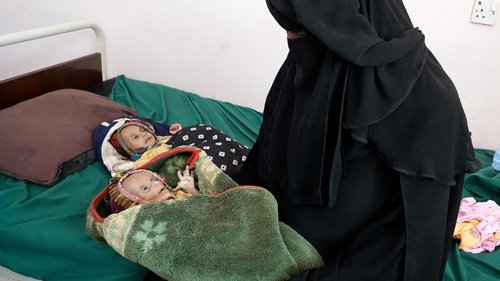
Médecins Sans Frontières warns that Sudan’s fragile health system is on the brink of collapse after the United States closed USAID last year, cutting critical funding for hospitals and clinics. With over 33 million people needing medical assistance amid a devastating civil war, the closure of 45 healthcare centres in central Darfur alone has increased patient load by 22.5%. The charity urges world leaders in the UN General Assembly to step in, as attacks on medical workers account for 82% of global deaths in healthcare facilities. The crisis threatens to plunge thousands into lethal delays and untreated disease.
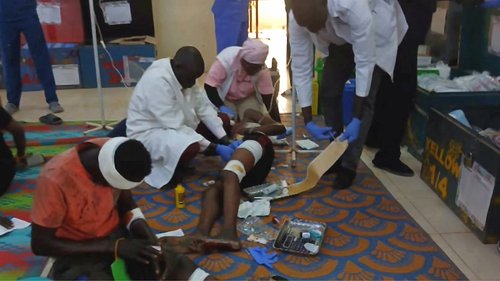
Médecins Sans Frontières (MSF) warns that Sudan’s non‑military health facilities are on the brink of closure after the United States shut down USAID last year. As the country battles internal conflict, the sudden loss of US aid has left dozens of organizations scrambling for alternative funding, causing hospitals, clinics and pharmacies to shut their doors.
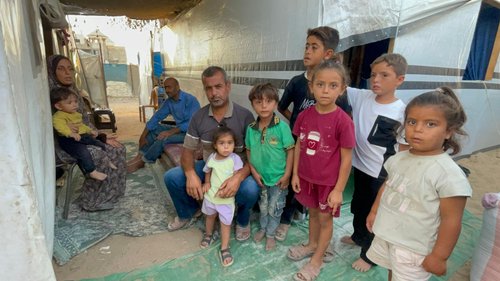
After the war broke out in April 2023, more than 33 million people have reportedly required medical assistance. MSF highlights that UK political engagement and UN General Assembly urging for emergency aid could stop further out‑of‑service facilities. In 2025 alone, 1 620 people were killed in attacks on medical facilities in Sudan – representing 82 % of all global deaths in healthcare sites.
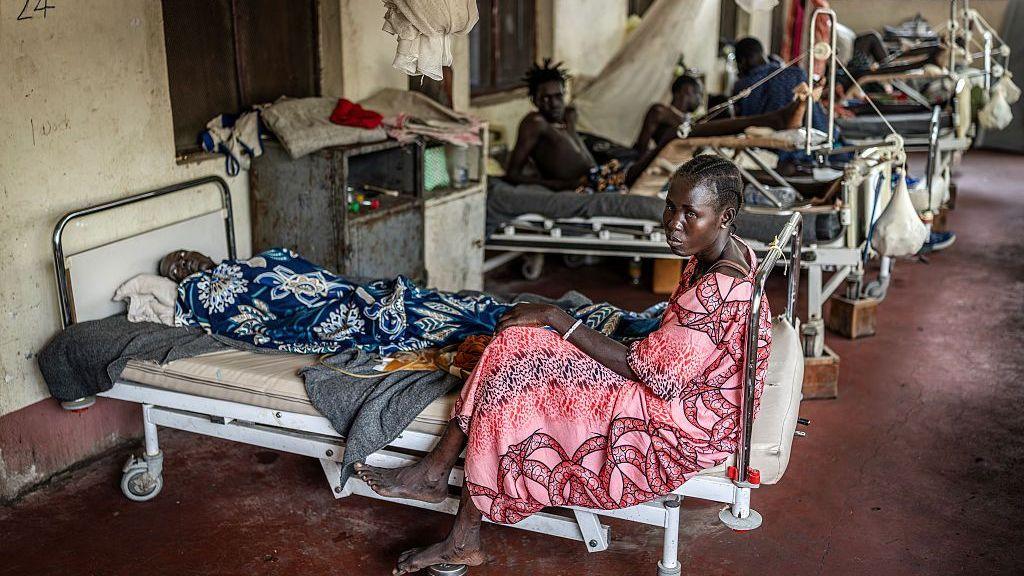
In Darfur’s central region, hospital admissions jumped by 22.5 % between January and April 2026. MSF said that 45 healthcare centres stopped receiving aid in May, severely straining remaining hospitals and causing critical medicine supplies to run low. Pregnant women in Tanedba camp are forced to travel three hours to reach the nearest operating theatre. Meanwhile, the number of aid agencies in Um Rakuba camp fell from 35 in 2021 to fewer than 10.
The U.N.’s latest food‑security report shows that 19.5 million people are at crisis level and 5 million are at emergency level. The war shows no signs of easing as international diplomats are expected to arrive in Khartoum for peace talks.
MSF’s UK representative Liz Harding stresses, “If support does not increase, patients will journey longer, have fewer treatment options and arrive too late to receive help.”
For more on the situation in Sudan, visit BBCAfrica.com.