In brief
In June 2026 a fire gutted a cold‑storage warehouse in Los Angeles, releasing 85 million pounds of rotting beef, pork, poultry and seafood that still lingers over Boyle Heights. Residents complain of a persistent, foul odor that has driven businesses like a local coffee stand to close and deter shoppers. City officials say the cleanup is 80 percent complete, but public health notices and fines have been issued for unsanitary conditions, and Mayor Karen Bass has called for greater transparency and resources. The incident has spotlighted the challenges of rapid disaster response in urban neighborhoods and the health risks posed by flies and rats attracted to the decaying waste.
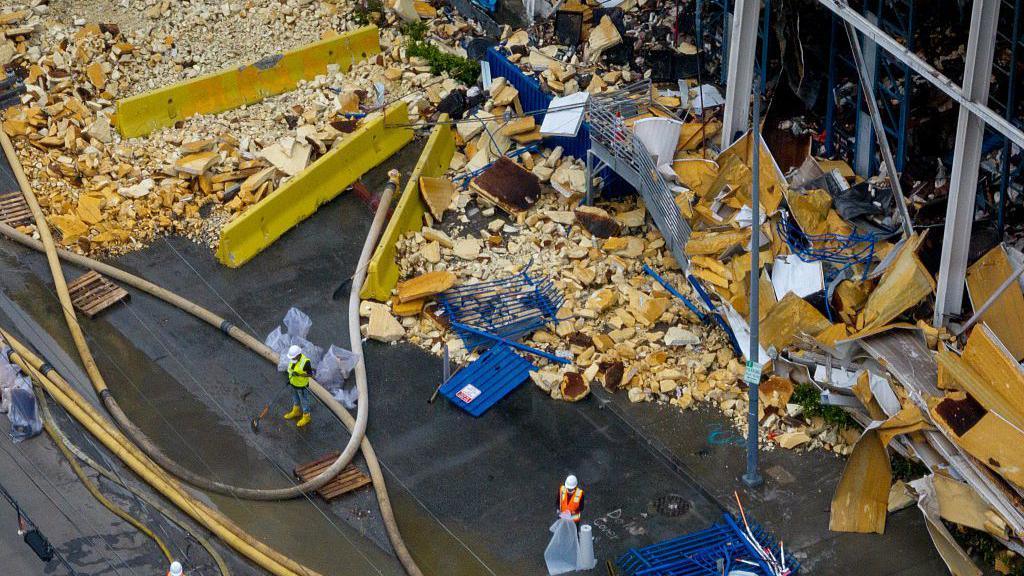
On 17 June 2026 a fire broke out in a large cold‑storage warehouse in Boyle Heights, Los Angeles, uncovering roughly 85 million pounds (39 million kg) of rotting food that now fills the area like a chemical swamp.
The stench is so biting that even seasoned locals hesitate to venture outside. Some say it smells like a decomposing animal, and residents have reported seeing large rats and countless flies swarm over the debris.
Local business owner Alexis Sicairos shut his coffee stand for two weeks while the fire subsided and has since reopened, but the usual crowd of regular patrons has vanished, replaced by a wary community that prefers to stay indoors.
Lineage, the company that operated the warehouse, claims 80 percent of the food waste has been hauled away. City officials, however, have criticized the pace of the removal, citing inadequate communication and ongoing environmental hazards.
Mayor Karen Bass has kept her promise of transparency, issuing executive orders to mobilise resources, deploying mobile health clinics and air purifiers to the community, and setting a deadline of 13 August for the warehouse’s final clean‑up.
Despite these efforts, residents remain concerned about the volatility of the situation. The cleanup is projected to cost between $80 million and $100 million, with the public health department imposing fines of $500 per day for unsanitary conditions.
The incident has raised questions about disaster preparedness in densely populated neighborhoods, the logistical challenges of removing massive quantities of waste, and the health risks posed by environments that attract pests capable of spreading disease. The community now waits for the city and the warehouse’s owners to restore safety and dignity to the streets of Boyle Heights.