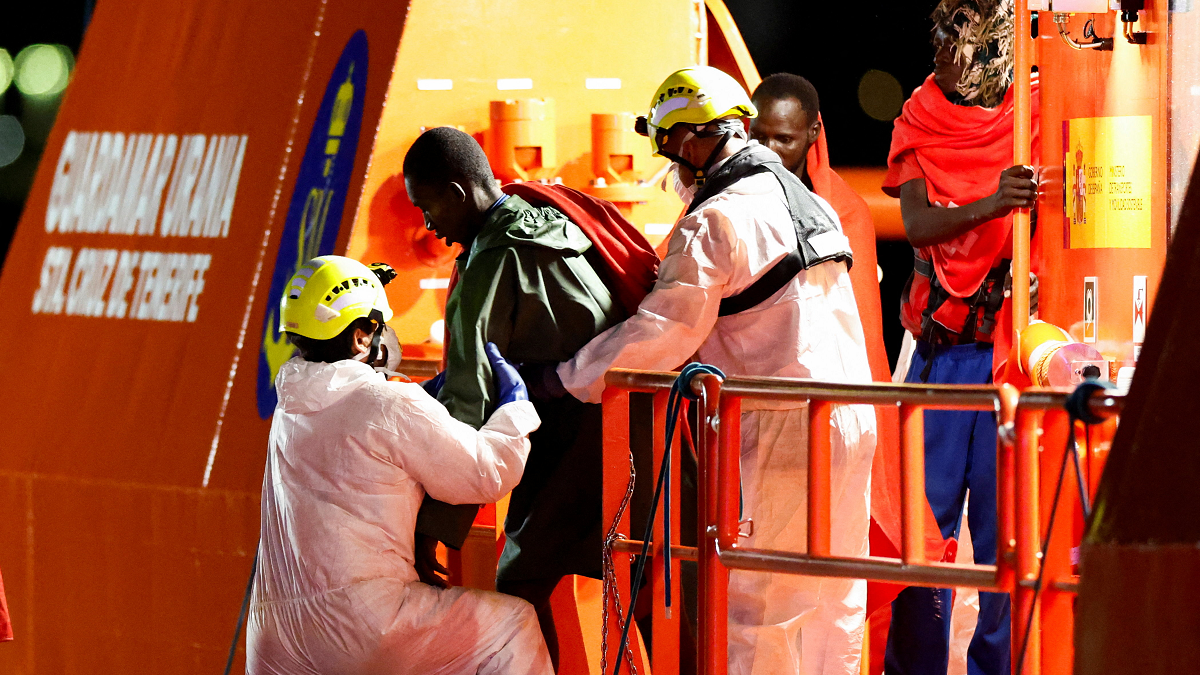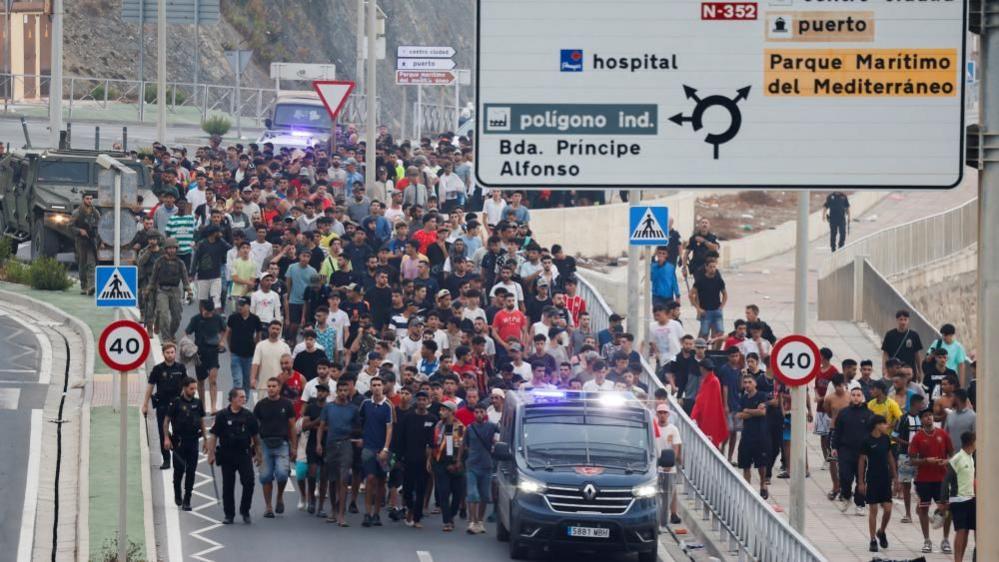
Spain has condemned the European Union’s response to an unprecedented influx of about 60,000 migrants from Morocco to Ceuta, describing it as "selfish, polarising and unlawful".
Almost all migrants who reached the enclave on 30 July have already returned, but the death toll has risen to 67 according to Spain’s interior minister, Fernando Grande‑Marlaska.
These events followed the suspension by Italy of Spain’s participation in the free‑movement Schengen agreement, a move that sparked additional support from Finland, Denmark and the Czech Republic, which called for Spain’s temporary exit from Schengen.
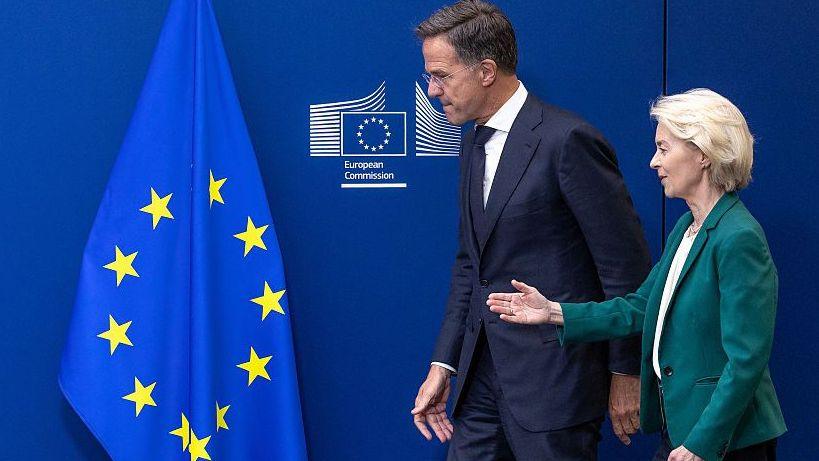
Spanish Prime Minister Pedro Sánchez sent a letter to European Commission President Ursula von der Leyen expressing serious concern over the actions of certain EU governments, claiming that Ceuta is not part of the Schengen area and that the “european unity” should not be eroded by “prejudice, fake news or political interest.”
He highlighted that Madrid had restored control over the border in less than 48 hours, preventing any unauthorized flow of migrants into continental Europe.
While most EU leaders expressed support and solidarity toward Spain, some critics condemned the move, accusing Madrid of being overly cautious and of overreaching in its military intervention in the enclave.
The diplomatic fallout has spread to Rome, where Prime Minister Giorgia Meloni called the uncontrolled immigration "shocking" and temporarily halted the Schengen zone agreement with Spain for one month. Finland’s interior minister and Denmark’s prime minister also pressed EU members to consider a full suspension of Schengen cooperation.
In contrast, France, Portugal and Germany have responded by tightening border control measures, increased police presence, and calling for Morocco to pull back the illegal migrants.
In the United States, President Donald Trump criticised the situation as a “catastrophe,” claiming that it presented an invasion of the country by hundreds of thousands of people.
Despite the chaos, Spanish officials say the situation is gradually stabilising, with many migrants returning peacefully to Morocco. The Spanish government blamed trafficking gangs for the surge, describing it as a violation of Spain’s territorial integrity.
Spain deployed armed forces to bolster security in both Ceuta and the neighbouring enclave of Melilla, where hundreds of crossings were also reported. The Prime Minister said he would consider reinforcing the border with Morocco and that the Moroccan authorities were cooperating.
The Supreme Court’s ruling that migrants stopped at sea while trying to reach Ceuta or Melilla cannot be delivered back to Morocco without due process further complicated the legal landscape surrounding the crisis.
While the current bumper load of migrants is extraordinary, Ceuta has long been a focal point for people attempting to reach Europe via the northern African coast.