CHICAGO (AP) — The fate of a Chicago man accused of using Snapchat to offer a $10,000 bounty on the life of a top Border Patrol commander is now in the hands of a federal jury as his trial concludes. Juan Espinoza Martinez, who is 37 years old and works as a carpenter, has been charged with murder-for-hire, marking the first criminal trial in the ongoing immigration crackdown in the Chicago area.
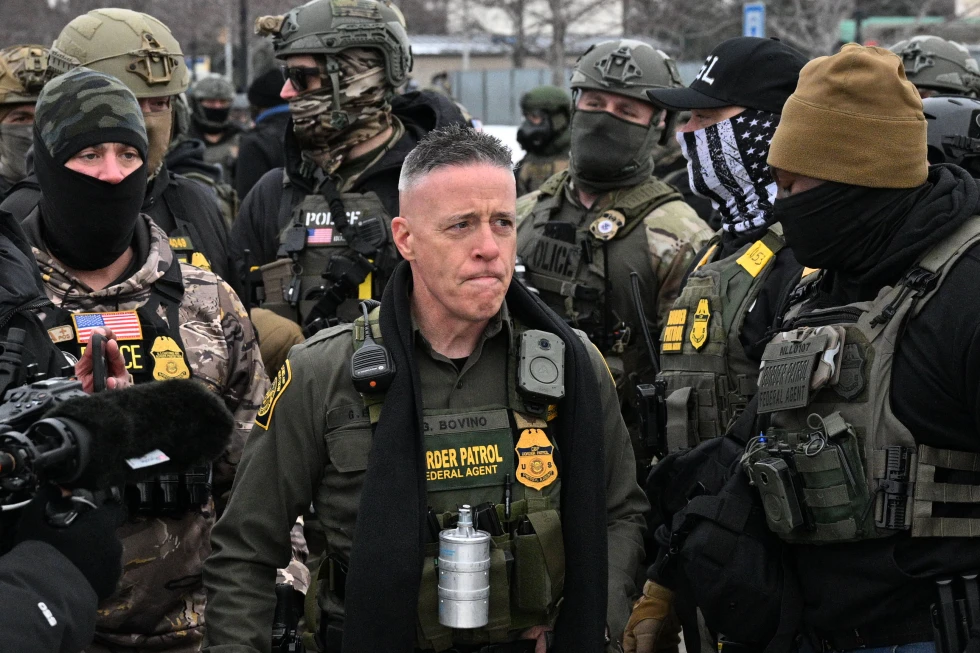
During the trial, which lasted only hours, the government revealed that Espinoza Martinez had sent messages to his younger brother and a friend who was secretly a government informant. One of these messages stated, '10k if u take him down,' alongside a picture of Gregory Bovino, a Border Patrol official known for leading aggressive enforcement actions.
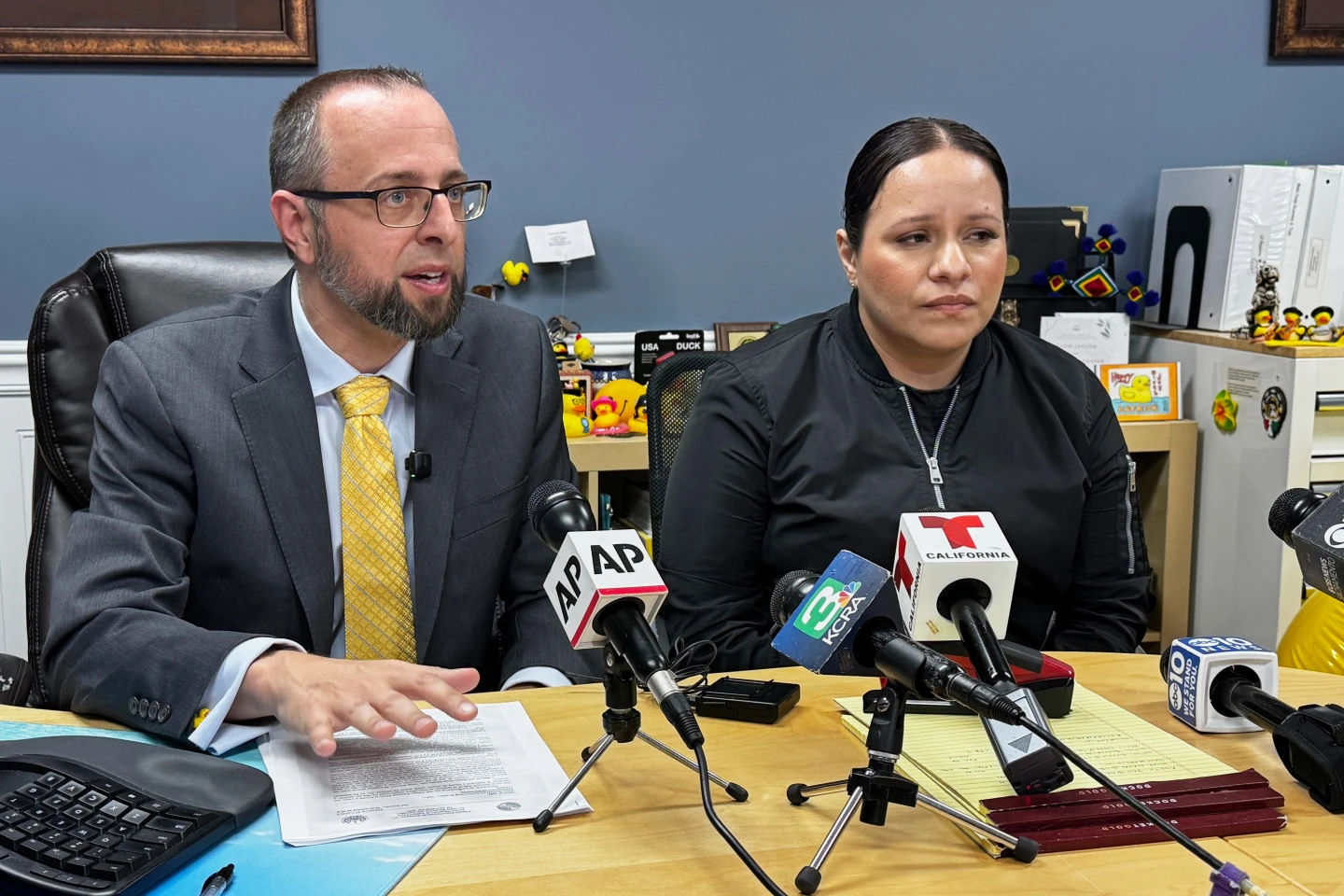
First Assistant U.S. Attorney Jason Yonan argued in closing statements that the messages were serious threats and not harmless banter. In contrast, Espinoza Martinez's defense attorneys contended that the prosecution had failed to present substantial evidence against him, arguing that the messages were intended as 'neighborhood gossip’ shared after a long day at work.
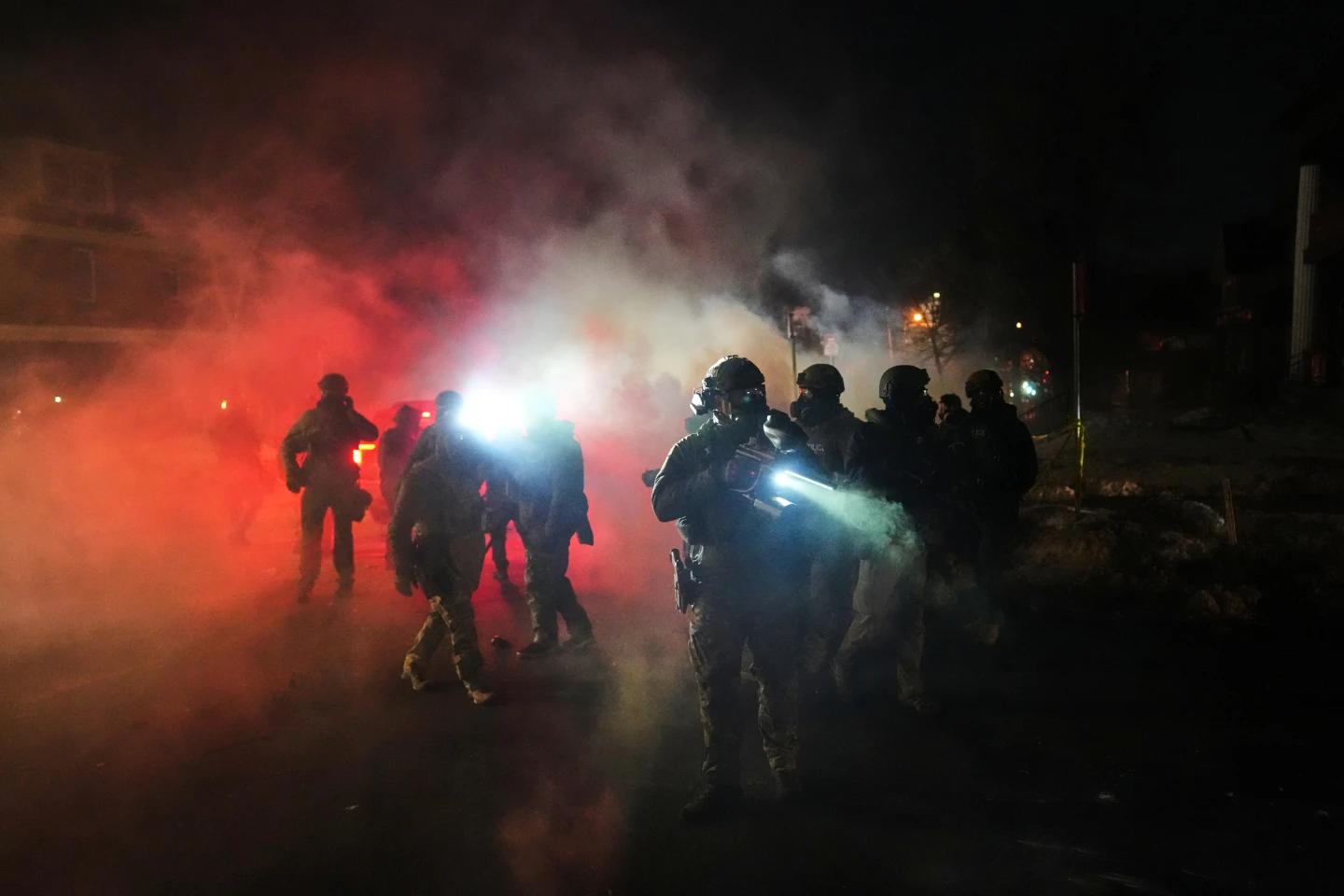
If convicted, Espinoza Martinez faces a maximum of 10 years in prison. The trial has drawn attention due to Espinoza's alleged fixation with Bovino and coincides with wider scrutiny of the Department of Homeland Security's handling of immigration enforcement, particularly amidst protests and arrests in immigrant communities throughout Chicago.
The case highlights the tensions surrounding immigration policy enforcement in the U.S. and the impact on local communities, especially with the growing criticism of law enforcement methods in immigration controls. Espinoza Martinez did not testify during the trial, but recordings of his interviews with law enforcement indicated he was unaware of the gravity of the messages and claimed they were not meant as threats.
As the trial heads toward a conclusion, it underscores the considerable ramifications not just for those directly involved but also for immigrant communities under scrutiny in the ongoing national conversation about immigration reform and enforcement.
During the trial, which lasted only hours, the government revealed that Espinoza Martinez had sent messages to his younger brother and a friend who was secretly a government informant. One of these messages stated, '10k if u take him down,' alongside a picture of Gregory Bovino, a Border Patrol official known for leading aggressive enforcement actions.
First Assistant U.S. Attorney Jason Yonan argued in closing statements that the messages were serious threats and not harmless banter. In contrast, Espinoza Martinez's defense attorneys contended that the prosecution had failed to present substantial evidence against him, arguing that the messages were intended as 'neighborhood gossip’ shared after a long day at work.
If convicted, Espinoza Martinez faces a maximum of 10 years in prison. The trial has drawn attention due to Espinoza's alleged fixation with Bovino and coincides with wider scrutiny of the Department of Homeland Security's handling of immigration enforcement, particularly amidst protests and arrests in immigrant communities throughout Chicago.
The case highlights the tensions surrounding immigration policy enforcement in the U.S. and the impact on local communities, especially with the growing criticism of law enforcement methods in immigration controls. Espinoza Martinez did not testify during the trial, but recordings of his interviews with law enforcement indicated he was unaware of the gravity of the messages and claimed they were not meant as threats.
As the trial heads toward a conclusion, it underscores the considerable ramifications not just for those directly involved but also for immigrant communities under scrutiny in the ongoing national conversation about immigration reform and enforcement.