In brief
Irish author Sally Rooney has told publishers to stop supplying her books in the UK after she pledged to support Palestine Action, a group proscribed as a terrorist organisation. Rooney stated that continuing to sell her books could become a serious criminal offence under UK law, and she has accepted the legal consequences. Faber & Faber, her publisher, confirmed that it will no longer distribute her titles in any format within the UK, though existing stock may remain on shelves. The move comes after the UK government banned Palestine Action in 2025, a decision that has led to arrests and legal challenges. Rooney’s withdrawal is seen by some as a bold stand against the sentiment of free speech, while others view it as a capitulation to government pressure.
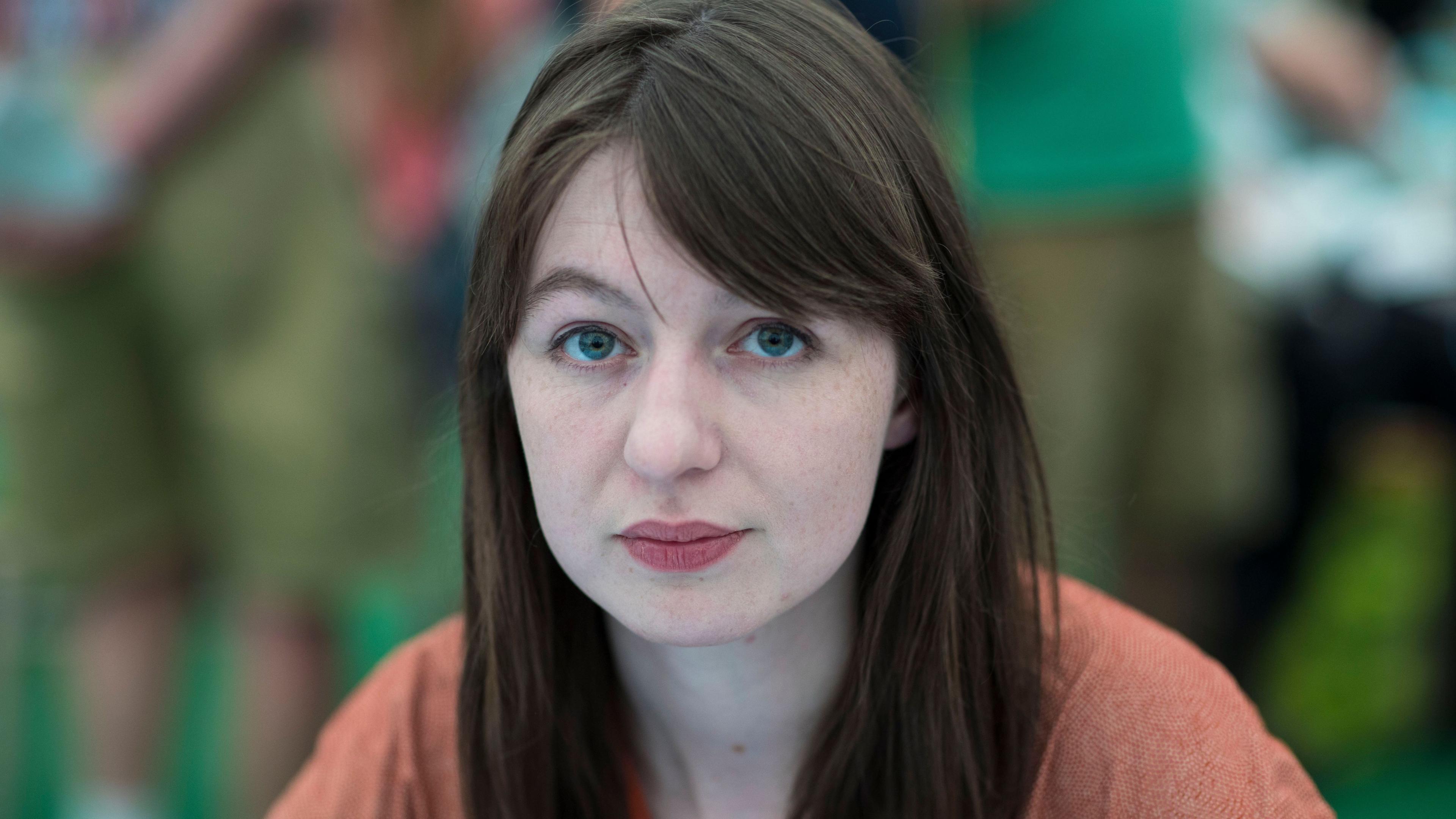
Irish novelist Sally Rooney has agreed her books will no longer be supplied for sale in the United Kingdom after her public support for Palestine Action, a group that the UK has proscribed as a terrorist organisation.
Rooney, who has sold more than six million copies worldwide, confirmed that her ongoing royalty payments to the group could now constitute a serious criminal offence under UK law. In a statement to the BBC she said, “I have made every effort to be honest with the public about my beliefs and intentions, and I am wholly prepared to accept the consequences.”
Faber & Faber, the publisher of Rooney’s novels, issued a separate statement noting that current legislation makes it “unconscionable” to supply her works while preventing the transfer of earnings to her. The company added that it will continue to sell her titles overseas but will stop all UK distribution in any format.
E‑book editions have already been removed from sale in the UK, and while many book shops still hold physical copies, there are no restrictions on keeping existing stock on shelves. Waterstones confirmed that the publisher did not impose any shelf‑lift prohibition on current inventory.
The controversy follows the UK’s 2025 ban on Palestine Action, a decision that has sparked arrests of over 3,700 people suspected of supporting the group, with around 2,500 charged but none yet tried as the proscription remains legally contested.
Rooney’s stance has been hailed by co‑founder Huda Ammori of Palestine Action as a brave stand, while critics argue that the move underscores a growing clampdown on free speech. The decision raises questions about the intersection of political advocacy, publishing rights, and national security laws.