In brief
In August, Russia deployed jet‑powered Geran drones every night, doubling the amount of air attacks and outpacing Ukraine's slower drone models. The new drones can cruise over 300 mph, a speed beyond what Kyiv's interceptors can reliably counter, prompting President Zelensky to label the attacks a “horror”. Ukraine is accelerating the production of specialised interceptor missiles and is testing new defense systems. At the same time, satellite imagery shows Moscow constructing a new launch base at Tsymbulova, equipped with longer rails to accommodate jet‑powered drones, marking a strategic shift in the conflict. Analysts note that combined use of drones and ballistic missiles is now racking up hundreds of sorties each week, eroding interception success thanks to supply chain strains on advanced air‑defence systems.
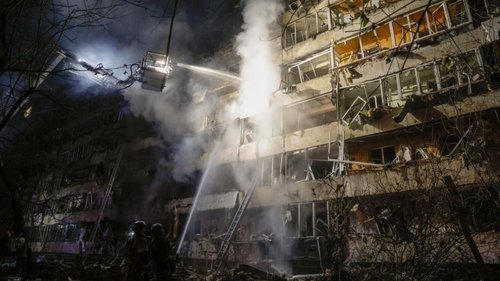
From June to August, the Ukrainian Air Force counted a rising number of jet‑powered Geran drones launched by Moscow. In June the air force logged 350 such targets, but July saw 1,600 and August 2,800. Daily use of the faster drones surprised Kyiv and prompted President Volodymyr Zelensky to describe the skies over the capital as a “horror.”
The new drones can cruise at more than 300 mph thanks to turbojet engines, some of which Ukrainian intelligence says are sourced from China. That speed exceeds the interception capabilities of the Ukrainian system, which had previously been able to neutralise 94 % of long‑range drones. To keep pace, Kiev’s defence minister Yevhenii Khmara has ordered four domestic companies to develop missile units capable of matching the jet‑drone velocity.
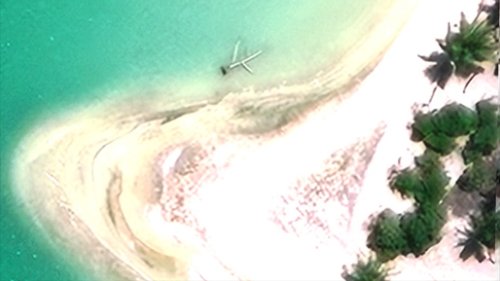
Satellite images now show Moscow building a new launch facility at Tsymbulova in the Oryol region. The base features extended rails to accommodate jet‐powered drones and lies about 175 km from the Ukrainian border. The site, which has become a key hub for Russian drone attacks, demonstrates a strategic shift in how Russia is deploying aerial warfare assets.
Analysts note that Russia’s overall strategy now blends many drone types – from propeller‑powered to jet‑driven – with expensive ballistic missiles, creating complex attack formations that overwhelm Ukrainian air defences each week. This escalation has lowered the interception rate for ballistic missiles and led Kyiv to reduce its public reporting of defensive successes.