In brief
A team from Purdue University set out to the remote Pacific island of Nikumaroro to investigate a satellite‑detected object that many had suspected was Amelia Earhart’s lost aircraft. Upon arrival, the crew discovered that most of the material had drifted away and only a Y‑shaped fragment remained. Experts concluded the remains were actually large fallen trees that had been deposited along the sandspit. Although the search for Earhart’s plane continues, this finding removes a significant piece of the mystery. The investigation highlights the challenges of exploring isolated locations and the importance of on‑site verification.
Amelia Earhart disappearance remains one of history’s enduring mysteries, but a recent expedition to the remote Pacific island of Nikumaroro has cast doubt on a key piece of evidence.
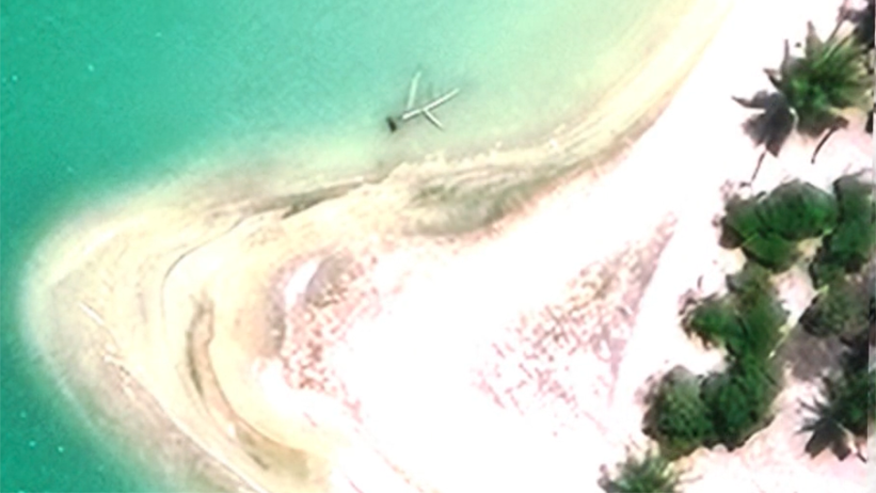
Purdue University researchers travelled to the Taraia Peninsula, where a shiny object captured satellite eye on the horizon in 2020. The team hoped to determine whether the so‑called Taraia Object could be the wreckage of Earhart’s Lockheed Electra plane.
Upon arrival the group found that most of the debris had scattered and washed away, leaving only a single Y‑shaped segment. After on‑site examination and consultation with marine specialists, the team concluded that the object was in fact a collection of large fallen trees that had been deposited along the peninsula’s sandspit.
"The island has been holding on to its secrets and it continues to do so," said project director Rick Pettigrew, reflecting on the decades‑long search. "I think eventually someone will find conclusive evidence here," he added.
The expedition was difficult: researchers had to navigate five days at sea under rough winds, then spent four days onshore carrying out investigations. Despite their hard work, the likely trecories shed little light on the 1937 disappearance that has captivated historians for seventy‑five years.

Earhart’s aircraft vanished on the final leg of a worldwide circumnavigation attempt, as she and navigator Fred Noonan tried to reach Howland Island to refuel. One hypothesis suggested they might have inadvertently flown to Nikumaroro, ditching the plane there. The new findings on these arboreal fragments make that scenario less likely, although the search has not yet been abandoned.