In brief
When mutinous soldiers seized Niger’s main airport, the junta turned to Russia’s Africa Corps, which swiftly helped reclaim the base. The intervention is seen as a clear sign that the unit is more focused on safeguarding the governments that host it than merely fighting insurgents. Analysts argue that the continued presence of African Corps supports Russia’s strategic interests, including resource protection and diplomatic influence. However, Russia’s commitments in Ukraine mean its support in Sahel remains limited and focused on high‑impact operations.
On Saturday, soldiers briefly seized the Diori Hamani International Airport in Niamey, prompting Niger’s ruling junta to call for help from its ally Russia.
Russia’s Africa Corps, a unit directly under Moscow’s defence ministry, dispatched troops that returned the base to junta control. The operation was confirmed by Russia’s ambassador, who said the forces had helped repress the mutiny.
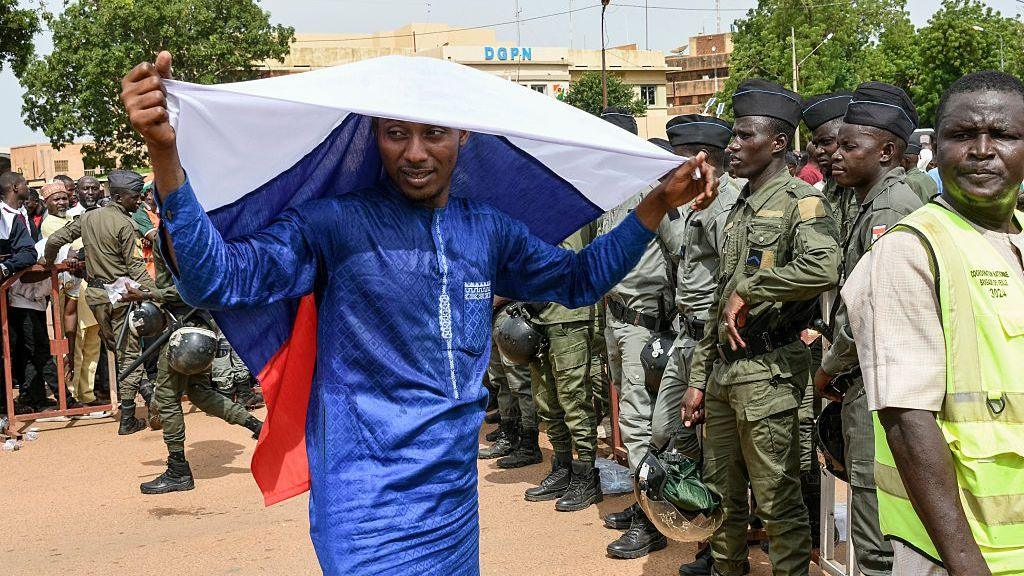
Experts say this episode underscores how the Corps protects the governments that host it, rather than merely fighting jihadist insurgents. The presence of 200‑300 men in Niger, and similar forces in Mali and Burkina Faso, illustrates Russia’s willingness to guard civilian rule in the Sahel.
With former colonial powers still influencing the region, Niger’s leaders have turned to Russia as a partner that promises respect for sovereignty and a focus on resource protection – especially uranium in Niger and gold in Mali.
However, Russia’s heavy engagement in Ukraine limits the scale of its African operations. The support it can offer is therefore measured, focusing on high‑impact interventions such as defending capitals or quelling mutinies.
While Africa Corps may have helped Gen Tiani survive the latest crisis, the persistent insurgency and internal grievances remain, suggesting that protecting the government is a short‑term solution that cannot replace comprehensive security reforms.