In brief
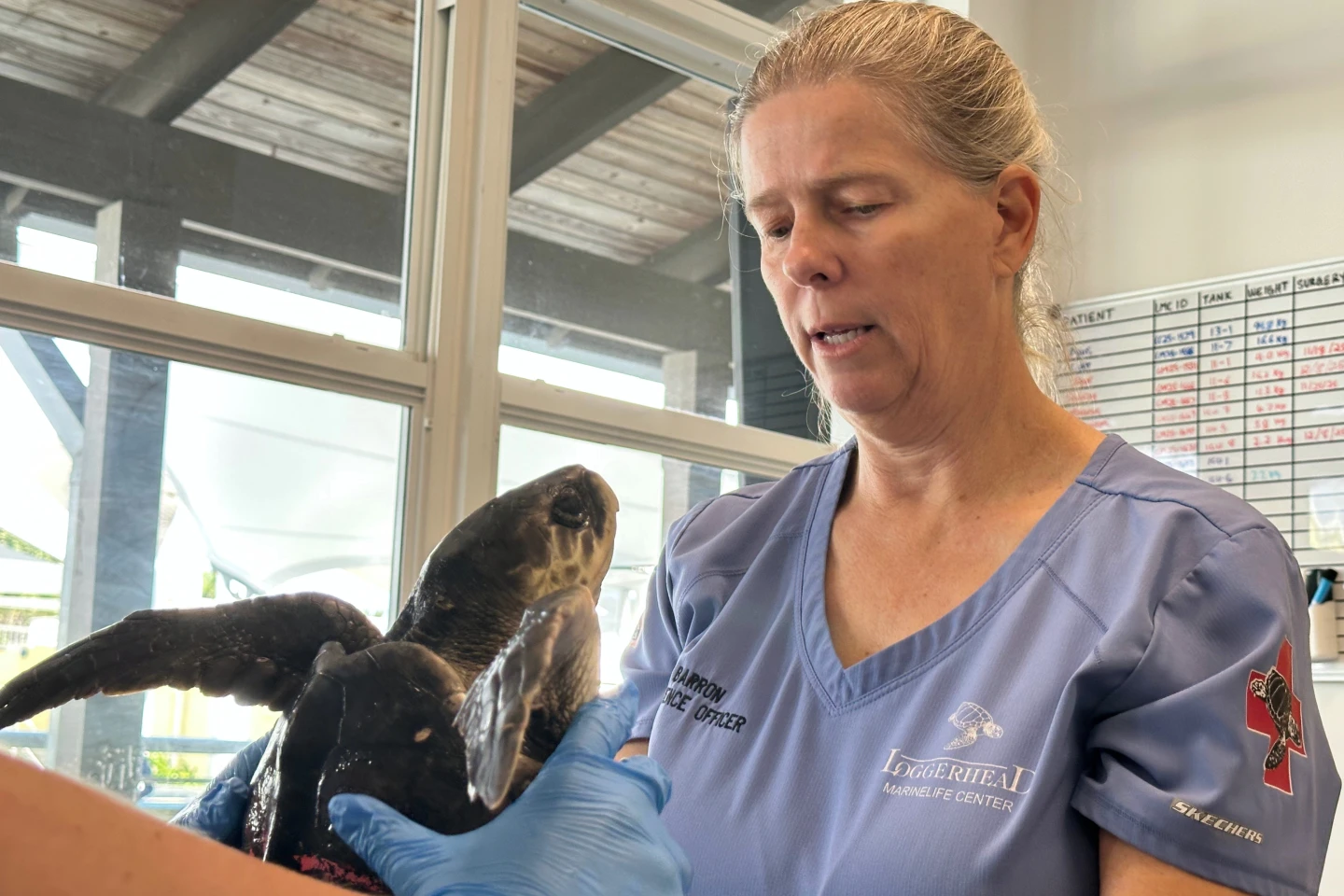
In a heartening rescue operation, 24 Kemp's ridley sea turtles have arrived at the Loggerhead Marinelife Center in Florida for rehabilitation after being exposed to frigid temperatures in Cape Cod, Massachusetts. The turtles are receiving medication for frostbite and pneumonia, and will remain in care until they can be released back into the Atlantic Ocean in the spring. This initiative relieves overcrowding at the New England Aquarium where the turtles were initially treated.
JUNO BEACH, Fla. (AP) — Twenty-four endangered Kemp's ridley sea turtles are undergoing rehabilitation in Florida after being affected by the extreme cold waters off Cape Cod, Massachusetts, which left them struggling with frostbite and pneumonia.
The turtles were transported to the Loggerhead Marinelife Center in Juno Beach, Florida, on December 9, thanks to the efforts of the nonprofit organization LightHawk. Last year, the same center managed to rehabilitate cold-stunned turtles that were eventually released back into the Atlantic.
Heather Barron, chief science officer and veterinarian at Loggerhead, reported that the turtles are expected to remain at the facility until spring, when they will be released to continue their journey back north.
These turtles have experienced a condition known as cold stunning, resulting from brutal cold temperatures that render them lethargic and immobilized. To treat this condition, the turtles are receiving vital treatments, including antibiotics, fluids, and nebulization.
Historically, this cold stunning phenomenon affects sea turtles that migrate north for warmer waters in summer but can become stranded in the chilly waters of Cape Cod as autumn sets in. This year, the number of hypothermic turtles treated has reached 472 as of November.
As a result of the high number of turtles, some were relocated to relieve overcrowding at the New England Aquarium in Boston, where numerous turtles had continued to wash ashore looking for shelter from the severe cold. The hospital collaborates with the National Oceanic and Atmospheric Administration’s Fisheries Service to manage these transfers, directing turtles in need of care to various facilities, including Loggerhead.
Upon arrival, each turtle is given a name inspired by Greek mythology, including names like Pandora, Gaia, and Helios.