In brief
Imran Khan's continued imprisonment reflects a broader trend of silencing dissent in Pakistan. The military's influence has grown, pressuring journalists and human rights advocates. Recent convictions of political dissidents underscore the escalating repression, sparking fears of authoritarianism and loss of democratic freedoms.
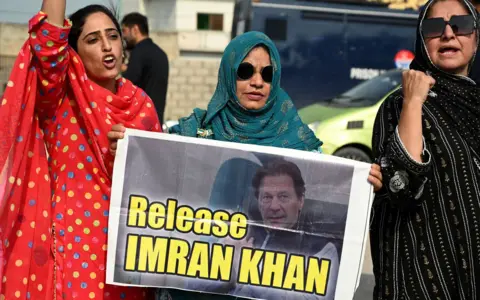
Pakistan’s former Prime Minister, Imran Khan, has been cut off from communication for over five weeks, as his family and supporters accuse the military of trying to suppress his voice. His continued isolation is not an isolated case; it is part of a larger trend of silencing dissent in Pakistan. Journalists and activists report a climate where disagreement with the state is increasingly dangerous.Recently, high-profile cases such as those of human rights lawyer Imaan Mazari highlight the grave risks activists face, with sentences reaching up to a decade in prison for speaking against the state or military. Amnesty International has called out the coercive measures employed by the government as a clear violation of human rights. Khan's family claims the government has effectively erased him from the public consciousness, alleging that media outlets can neither promote his image positively nor criticize Field Marshal Asim Munir. The government denies any claims of isolation, describing Khan as the most privileged prisoner, yet critics say this is indicative of the nation's gravitation toward authoritarianism.The military's pervasive influence manifests in restrictions imposed on various sectors, including media. Reports from journalists indicate the existence of self-censorship due to the risks involved in covering stories that challenge the military or governmental narratives. Significant events, including protests and legal actions against dissenters, raise concerns about the limited space for civic engagement and free speech in Pakistan. The situation calls into question the foundation of democracy in Pakistan, as critics argue that the increased militarization of governance poses grave threats to civil liberties and political plurality, making it a critical time for human rights and freedom of expression advocates.